
Recovering Your Missing Cat: Proven Strategies
Discover effective, step-by-step methods to locate, safely retrieve, and care for your lost cat during and after recovery.
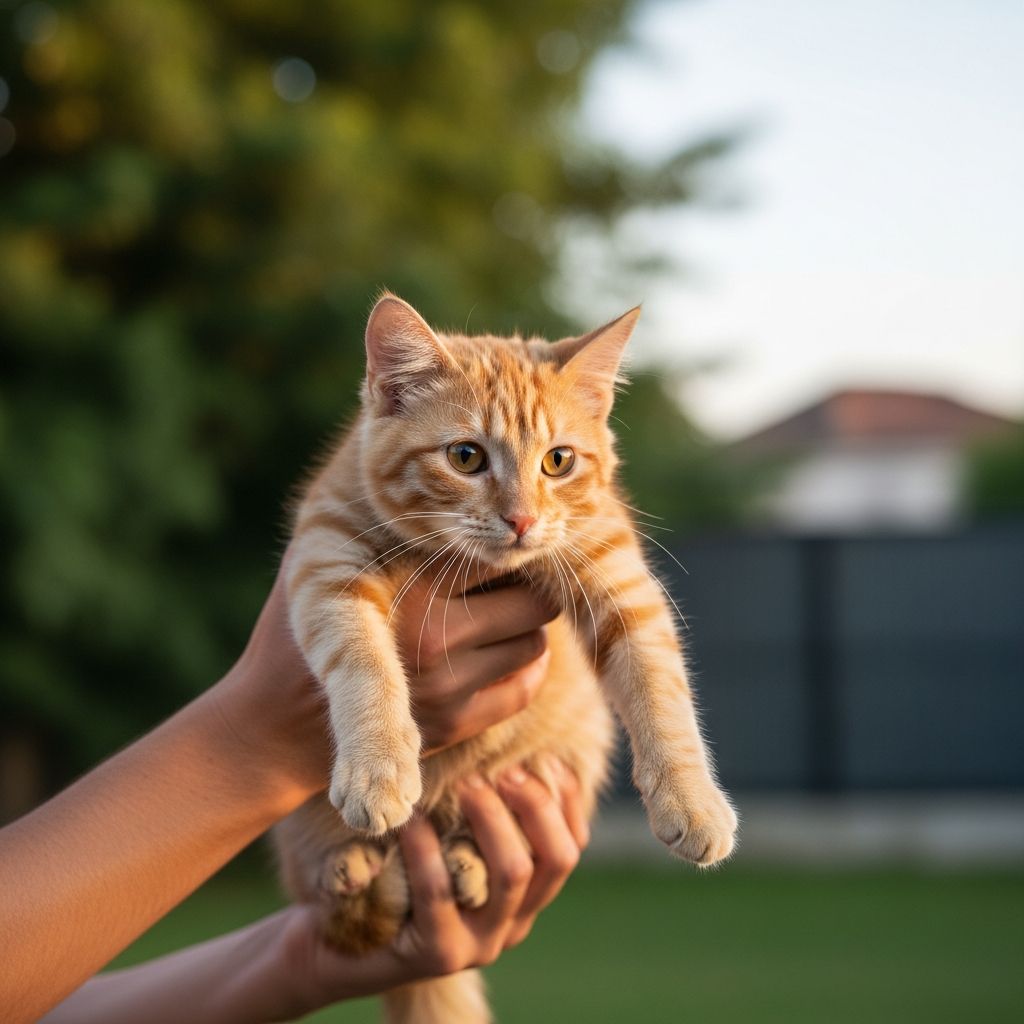
Losing a cat can be distressing, but most indoor cats remain close to home, often hiding nearby in fear rather than wandering far. Swift, targeted actions significantly increase reunion chances, focusing on their territorial instincts and stress responses.
Understanding Feline Behavior When Lost
Cats, especially indoor ones, view their home as their safe territory. When escaping, they often panic and hide within a short radius, prioritizing concealment over returning home. Skittish cats tend to stay even closer, squeezing into tiny spaces like under decks or vehicles due to their small size.
This behavior means aggressive searching nearby outperforms distant calls or scent trails alone. Factors like personality influence distance: bold cats might venture farther, while timid ones bunker down.
Immediate Response: First 24 Hours
Act fast upon noticing your cat missing. Delay reduces success rates as stress deepens.
- Quietly search your property and neighbors’ yards immediately, checking small hiding spots: under cars, porches, sheds, bushes, and appliances.
- Expand to a 1-mile radius methodically, as most cats are found close by.
- Avoid loud calls initially; frightened cats may flee further.
- Place used litter box outside (unwashed) near escape point to leverage familiar scent, creating a subtle trail outward if needed.
Physical searches yield higher success than passive methods like scent lures alone, per recovery data.
Organizing an Effective Search
Combine multiple tactics for best results. Don’t rely on one approach.
| Method | Best For | Tips |
|---|---|---|
| Physical Yard Checks | Indoor/skittish cats | Crawl under decks, check vents; get neighbor permission. |
| Night Searches | All types | Cats move more at night; use flashlight for eye shine. |
| Posters & Alerts | Bolder wanderers | Minimum 10 signs nearby with photo, description; include reward. |
| Social Media | Community help | Post in local groups, Nextdoor; specify ‘indoor cat lost’. |
Walk daily/night, shaking treats or toys softly. Persistence pays off.
Safe Retrieval Techniques for Timid Cats
Once sighted, prioritize de-escalation. Chasing triggers flight.
- Calming Signals: Slow blink (cat kisses), yawn, look away, turn sideways, sit low to appear non-threatening.
- Food Luring: Offer smelly wet food from hand gradually; stroke while eating to build trust.
- Scruffing: If close, firmly grab scruff, ignore scratches, place in carrier. Prepare mentally.
For inaccessible spots like trees, contact local tree services—many assist animal rescues.
Using Humane Traps Effectively
Ideal for wary cats. Bait with strong-smelling food (tuna, sardines), sprinkle treats inside.
- Place near sightings or home, cover three sides for security.
- Spray Feliway pheromone inside for calming.
- Monitor with trail camera if possible.
- Check frequently; release non-targets gently.
Multiple traps increase odds. Combine with searches.
Advanced Tools and Community Support
Leverage tech and networks:
- Microchip verification: Ensure registered; scanners at shelters/vets.
- Wildlife cameras monitor bait stations remotely.
- Pet helplines or lost pet networks for advice.
- Alert vets, shelters daily with photo/flyers.
Inform neighbors; they may spot your cat first.
Post-Recovery Care Essentials
Reunited cats need gentle handling to recover from stress.
- Decompress: Provide quiet space; stress hormones take 3 days to fade.
- Feed Carefully: Small, high-protein meals first to avoid refeeding issues; monitor intake.
- Clean Up: Bathe if dirty, check/treat fleas/ticks.
- Vet Check: Soon after settling; test for parasites, injuries, update vaccines.
- Readjust: Limit visitors; resume routine gradually.
Watch for refusal to eat—may need fluids/vitamins.
Prevention for Future Peace of Mind
Avoid repeats with proactive steps.
- Microchip all cats.
- Secure exits: screens, bells on doors.
- ID collar with contact info.
- Train recall with treats indoors.
Indoor-only policy for safety, with supervised outdoor time if desired.
Frequently Asked Questions
How far do lost cats usually go?
Most indoor cats stay under 1 mile, hiding nearby.
Should I use my scent or litter to lure them?
Used litter helps, but physical searches are more effective than owner-scent items alone.
What if my cat is in a tree?
Don’t climb; call tree loppers or services—many rescue pets.
Is a vet visit immediate?
Allow 1-3 days decompression unless injured; then check thoroughly.
Do treats in traps work?
Yes, sprinkle liberally with smelly bait for best results.
This guide equips you with actionable steps drawn from expert recovery insights. Stay methodical and hopeful—many cats return home.
References
- I’ve found my lost timid cat. How do I get them home? — ScaredyCats. 2023. https://www.scaredycats.com.au/find-lost-cat/find-lost-cat-step-by-step-guide/how-to-get-lost-timid-cat-home-after-finding-hiding-place/
- Lost Cat Behavior — Missing Animal Response Network. 2024. https://www.missinganimalresponse.com/lost-cat-behavior/
- How To Care For Your Lost Cat After They Come Home — Petco Love. 2023. https://petcolove.org/lost/articles/how-to-care-for-your-lost-cat-after-they-come-home/
- Lost Cat Tips & Recovery — Tenth Life. 2024. https://tenthlifecats.org/lost-cat-tips-prevention/
- MISSING CAT RECOVERY TIPS — North Brunswick Humane. 2016-12. https://www.northbrunswickhumane.org/wp-content/uploads/2016/12/MissingPetTipsCats.pdf
- If you have lost your Cat, follow this checklist — Anthem Pets. 2022. https://www.anthempets.org/wp-content/uploads/Lost-Cat-Checklist.pdf
- MISSING PET TIPS CATS — St. Hubert’s. 2023. https://sthuberts-edit.squarespace.com/s/MissingPetTipsCats-bbrn.pdf
Similar Articles








Read full bio of Sneha Tete




