

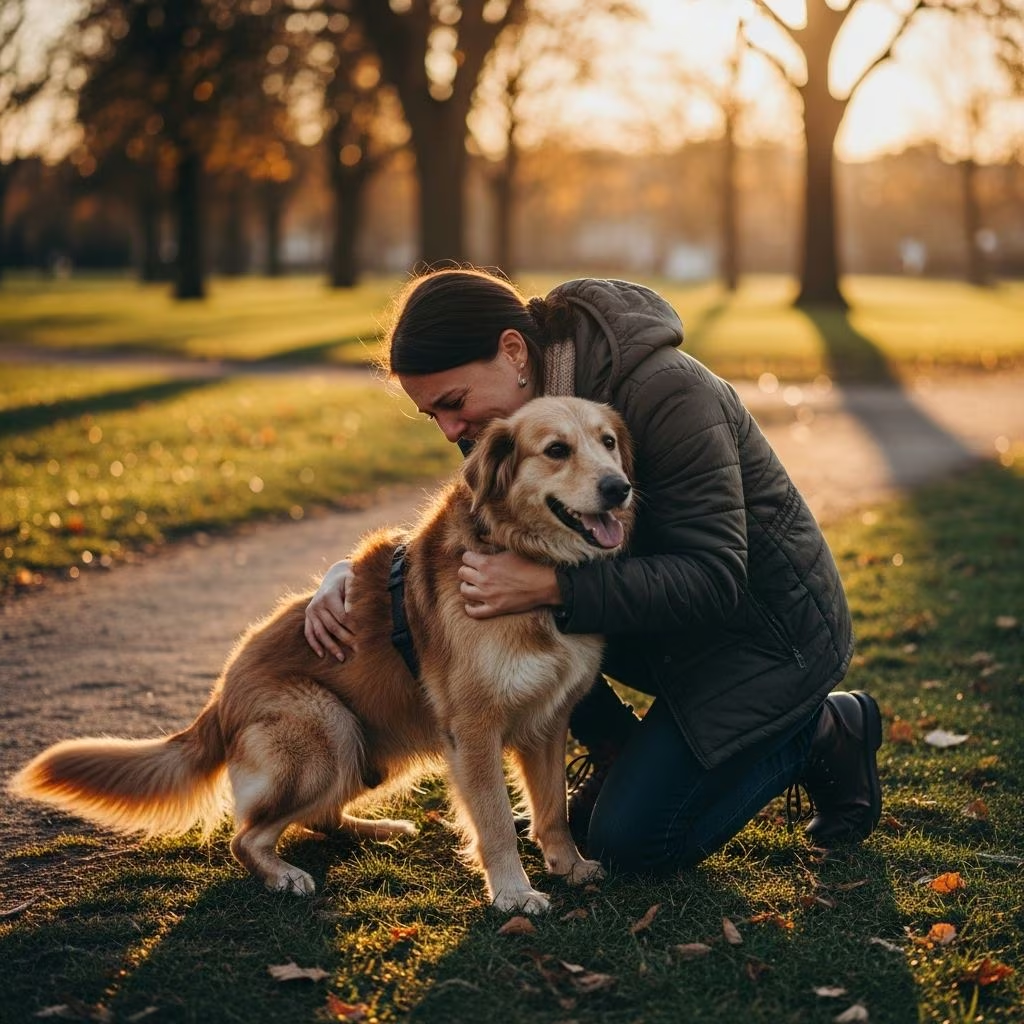
Losing a pet can be heartbreaking, but with a structured approach, many animals are reunited with their owners. This comprehensive guide draws on expert-recommended tactics to help you act swiftly and effectively, covering prevention, immediate steps, search methods, and long-term tools for success.
Preventing Escapes Before They Happen
Proactive measures significantly reduce the risk of your pet going missing. Start by securing your living environment to eliminate common escape routes.
- Secure fencing and enclosures: Install sturdy fences at least 6 feet high for dogs, with no gaps larger than 2 inches at the bottom. For cats, create enclosed outdoor spaces like catios to allow safe fresh air without free roaming.
- Use proper collars and ID: Equip dogs with collars featuring current ID tags and cats with breakaway collars to prevent strangulation. Include your phone number and pet’s name for quick contact.
- Microchip every pet: A microchip is a permanent ID implanted under the skin, scanned at shelters and vets. Update registration details annually, especially after moves.
- Train recall commands: Teach dogs a reliable “come” cue using positive reinforcement like treats and praise. Practice in distracting environments to build reliability.
- GPS trackers for wanderers: Attach GPS devices to collars for real-time location tracking, ideal for pets prone to bolting.
Table of Prevention Tools Comparison:
| Tool | Best For | Pros | Cons |
|---|---|---|---|
| Microchip | All pets | Permanent, scanned universally | Requires shelter/vet visit |
| GPS Tracker | Escape artists | Real-time tracking | Battery life, cost |
| Breakaway Collar | Cats | Safe if caught | May slip off |
| Fencing/Catio | Outdoor access | Prevents escape | Installation cost |
First Hours: Establishing Your Search Base
The initial 24-48 hours are critical, as pets often stay near familiar areas. Designate an escape point as your central hub.
- Create Command Central: Use the exact spot your pet escaped from—home, yard, or travel location—as base camp. Pets instinctively return here first.
- Build a support network: Rally family, friends, and neighbors. Schedule meetups at the hub for coordinated efforts, avoiding solo searches.
- Partner with rescues: Contact local shelters and animal rescues immediately. They can deploy volunteers and check intakes.
- Set up scent stations: Place familiar bedding, toys, and unwashed litter boxes (for cats) at the hub. Provide water but skip food to avoid attracting predators.
Act calmly to prevent panic-driven mistakes. Document everything: time of escape, description, and photos from multiple angles.
Organizing an Effective Search Pattern
Expand outward methodically from your hub, tailoring tactics to your pet’s personality—bold socializer or shy hider.
- Circular patrols: Walk or drive in expanding circles up to 2 miles, varying routes daily. Note sightings without chasing.
- Assess pet behavior: Friendly pets respond to flyers urging people to coax them into cars. Skittish ones need photo reports and no pursuit.
- Humane trapping for ferals: Use baited traps with familiar scents for wary animals. Check frequently to minimize stress.
- Professional aid: Hire lost pet specialists for tracking dogs, poster design, or feeding stations if searches stall.
For cats, focus on wooded or hidden spots; dogs may roam farther but circle back. Night searches can yield results as pets are less disturbed.
Amplifying Reach with Visual Alerts
High-visibility postings outperform small flyers, grabbing attention from drivers and walkers.
- Neon posters supremacy: Create large, bright posters (11×17+) with clear photos, description, and “LOST” in bold. Post at intersections and businesses.
- Flyer distribution: Hand out 8.5×11 flyers neighborhood-wide, noting traits like “Jumps in cars” or “Do not chase.” Offer rewards discreetly.
- Target pros: Visit vets, ER clinics, and groomers with flyers, as injured pets may end up there.
Prepare a Pet Recovery Go Bag with posters, staples, tape, photos, treats, leashes, and first-aid for on-the-go deployment.
Digital and Community Mobilization
Leverage online networks for rapid spread—lost pets often turn up via viral posts.
- Social media blitz: Post public, shareable updates on Facebook, Nextdoor, and local lost pet groups. Include photos and hub details.
- Shelter check-ins: Call and visit daily; staff turnover means in-person verification. Use microchip hotlines like 24Petwatch.
- Neighborhood alerts: Notify postal workers, delivery drivers, and apps like Nextdoor for hyper-local eyes.
Monitor groups continuously; enlist a team member for updates to keep you focused on patrols.
Special Considerations for Dogs vs. Cats
Tailor strategies to species behaviors for higher success.
| Aspect | Dogs | Cats |
|---|---|---|
| Search Radius | Up to 5 miles, roads/fields | 1/4 mile, hiding spots |
| Behavior | May approach people | Fearful, nocturnal |
| Lures | Familiar toys, calm calls | Litter box, quiet traps |
| Posters Note | “Friendly, car-jumper” | “Do not chase, photo only” |
Dogs driven by panic may travel far but return; cats hunker down nearby, stressed by pursuit.
Reuniting Safely and Preventing Recurrence
Once sighted, approach slowly with familiar scents. Confine immediately upon recovery for health checks.
- Post-recovery: Vet visit for injuries, update microchip, reinforce training.
- Long-term prevention: Never skimp on ID; consider indoor-only for cats.
Frequently Asked Questions
What if my pet doesn’t return in 48 hours?
Expand searches, intensify posters, and persist with shelter calls—many are found weeks later via microchips.
Should I leave food out?
No, it attracts wildlife. Use scent items only.
Is GPS better than microchip?
GPS tracks actively; microchip is passive but permanent. Use both.
How effective are neon posters?
Top tool per recovery experts, visible to motorists.
What about offering rewards?
Yes, but note on posters to encourage calls without scaring pets.
Armed with these strategies, pet owners boost reunion odds dramatically. Stay persistent, organized, and hopeful.
References
- LOST PET RECOVERY TIPS — Perpetual Care. Accessed 2026. https://www.perpetualcare.org/lost-pet-action-plan
- Lost Pet Recovery and Prevention Tips — 24Petwatch. Accessed 2026. https://www.24petwatch.com/ca/blog/lost-pet-recovery-and-prevention-tips
- Strategic Pet Recovery — Strategic Pet Recovery. Accessed 2026. https://strategicpetrecovery.com
- What You Don’t Know About Lost Pets Can Hurt Them — Maddie’s Fund. Accessed 2026. https://www.maddiesfund.org/what-you-dont-know-about-lost-pets-can-hurt-them.htm
- Tips to Find Your Lost Pet — LifeLine Animal Project. Accessed 2026. https://lifelineanimal.org/lost-pets/
- The Complete Lost Pet Guide — PetLink. Accessed 2026. https://www.petlink.net/complete-lost-pet-guide-pet-goes-missing/
- Lost Dog Behavior — Missing Animal Response Network. Accessed 2026. https://www.missinganimalresponse.com/lost-dog-behavior/



