

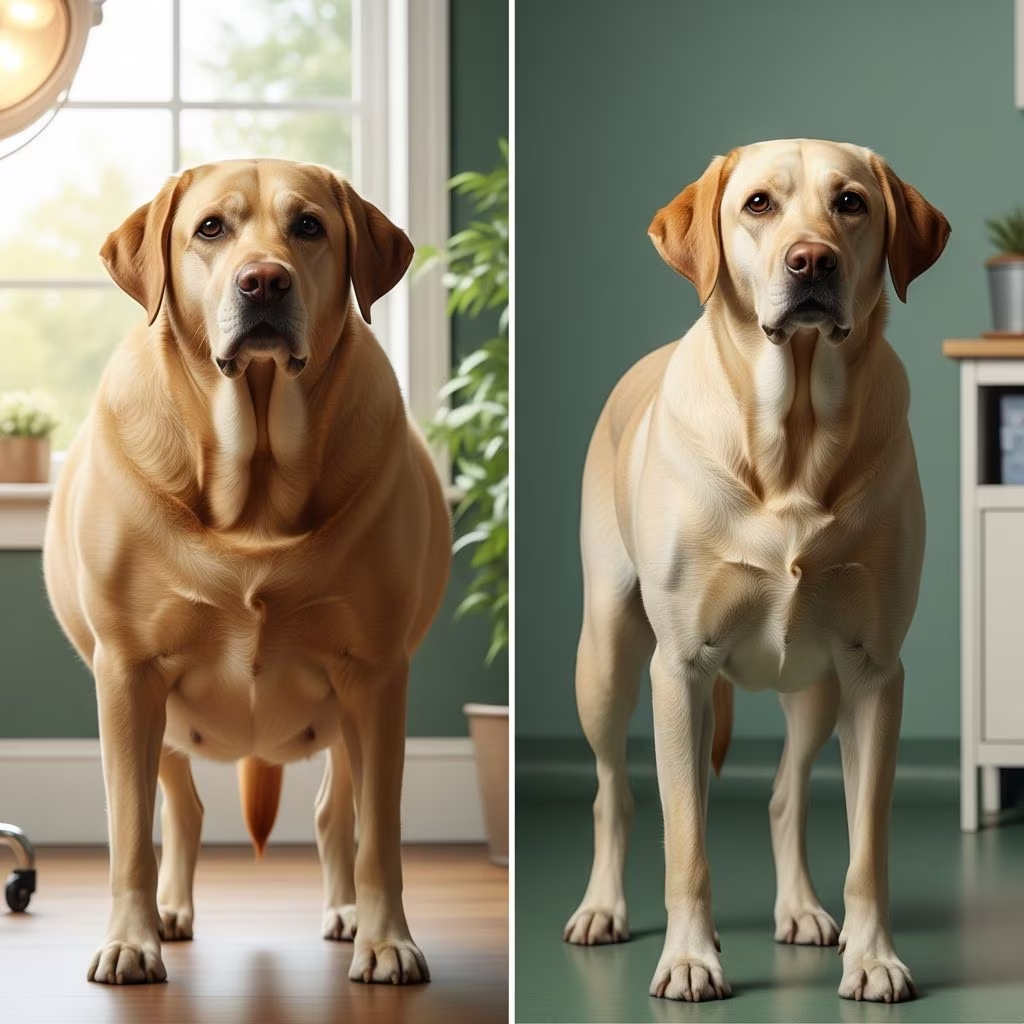
Dog obesity has become increasingly prevalent in modern pet ownership, affecting a significant portion of the canine population. As a responsible pet owner, understanding how to identify whether your dog is carrying excess weight is essential for ensuring their long-term health and quality of life. This guide explores the indicators of canine weight problems, examines the underlying causes, discusses serious health consequences, and provides actionable strategies for weight management.
How to Identify if Your Dog Is Overweight
Determining whether your dog has a weight problem requires more than simply placing them on a scale. While visible weight gain and a rounder appearance represent the most obvious sign of obesity, several physical and behavioral indicators can help you assess your dog’s body condition more accurately.
Physical Assessment Techniques
A practical method involves feeling your dog’s ribcage. When you gently place your hands on your dog’s sides and apply light pressure, you should be able to feel the ribs without excessive pressing. If you cannot feel the ribs at all, or if there is a significant layer of fat covering them, your dog is likely overweight. Additionally, examine your dog from above. A healthy dog should have a visible waist—a narrowing between the ribcage and hips. An obese dog often appears barrel-shaped with no discernible waist definition.
Another assessment involves observing the abdominal profile. Healthy dogs have a slight abdominal tuck when viewed from the side, while overweight dogs display a sagging or distended belly that may hang down noticeably.
Behavioral Warning Signs
Beyond physical appearance, behavioral changes often accompany weight problems. Reduced stamina and reluctance to exercise are common indicators that excess weight is affecting your dog’s physical capability. Overweight dogs may struggle to keep pace during walks, tire quickly during play sessions, or require additional rest periods throughout the day.
Labored breathing represents another significant behavioral sign. Dogs carrying excess weight may pant heavily even after minimal exertion or during relatively short walks. This occurs because abdominal fat can compress the chest and airways, making breathing less efficient. Some overweight dogs may also demonstrate reduced interaction with family members, showing decreased enthusiasm for activities they previously enjoyed.
Additionally, mobility issues such as limping, reluctance to climb stairs, or difficulty rising from a resting position can indicate joint strain from excess weight.
Understanding the Root Causes of Canine Obesity
Obesity in dogs rarely results from a single factor. Instead, multiple interconnected causes typically contribute to weight gain. Identifying which factors apply to your dog can help you develop a more targeted approach to weight management.
Dietary Factors
Overfeeding remains one of the primary causes of canine obesity. Pet owners frequently provide portion sizes that exceed their dog’s daily caloric requirements, often without realizing the impact. The practice of free-choice feeding—leaving food available throughout the day rather than providing portioned meals—significantly increases obesity risk. Additionally, well-intentioned owners may express affection through excessive treats and table scraps, which can quickly accumulate extra calories.
The composition of a dog’s diet also matters. High-fat, low-fiber diets contribute more readily to weight gain than balanced, nutrient-dense formulations. Commercial treats and human foods are often calorie-dense and nutritionally imbalanced for dogs’ needs.
Activity Level and Lifestyle
Sedentary lifestyles directly contribute to obesity. Dogs, like humans, require regular physical activity to maintain healthy weight. Indoor dogs or those with limited exercise opportunities are particularly vulnerable to weight gain. A lack of daily walks, play sessions, or other engaging activities means dogs burn fewer calories, creating an imbalance between intake and expenditure.
Genetic and Biological Factors
Certain dog breeds demonstrate genetic predisposition toward obesity. Labrador Retrievers, Beagles, Cocker Spaniels, and several other breeds are naturally inclined toward weight gain. These breeds may require more careful portion control and consistent exercise to maintain ideal weight.
Hormonal changes also play a significant role. Neutering or spaying can reduce a dog’s metabolic rate, requiring adjustments to diet and activity levels to prevent subsequent weight gain. As dogs age, their metabolism naturally slows, and decreased activity levels compound the problem. Underlying medical conditions such as hypothyroidism or Cushing’s disease can cause weight gain even with normal food intake and exercise levels. Certain medications may also contribute to weight gain as a side effect.
Serious Health Consequences of Canine Obesity
The health impacts of canine obesity extend far beyond appearance. Research demonstrates that excess weight creates a cascade of physiological problems affecting multiple body systems.
Joint and Orthopedic Problems
The most common health consequence of obesity is worsening arthritis and joint damage. Extra weight increases mechanical stress on bones, joints, and muscles, accelerating the development of osteoarthritis (OA). At least 20% of all dogs show some evidence of OA regardless of age, but the risk increases substantially in overweight dogs. Older, larger breed dogs that are overweight face particularly elevated OA risk. The inflammation and chronic pain associated with OA significantly diminishes quality of life, reducing mobility and activity.
Beyond arthritis, obesity increases the risk of luxating patella (knee dislocation) due to excessive loading forces and cartilage damage.
The Inflammation Connection
Modern research has revealed that fat tissue is biologically active, not simply inert storage. Fat cells secrete hormones and inflammatory chemicals that promote systemic inflammation. Specifically, fat tissue produces leptin, a hormone that causes inflammation when it enters joints and may influence bone changes associated with OA. This inflammatory cascade extends beyond joints, affecting the body’s hormonal responses and regulatory systems. Inflammation interferes with cortisol and insulin function, further unbalancing the body’s self-regulation mechanisms and intensifying pain.
Metabolic and Endocrine Disorders
Insulin resistance and diabetes represent significant metabolic consequences of obesity. Excess fat tissue interferes with insulin function, potentially leading to diabetes development. Overweight dogs are substantially more likely to develop diabetes than dogs at healthy weights.
Respiratory and Cardiovascular Complications
Excess abdominal fat can compress the chest and airways, resulting in respiratory disease and breathing difficulties. Obesity also increases cardiovascular strain and high blood pressure, potentially leading to heart disease. The excess weight on the respiratory system makes dogs at higher risk for complications should they require surgery or anesthesia.
Additional Health Risks
Research continues uncovering the extent of obesity’s health impact. Obese dogs face increased risks of skin disease, kidney disease, certain cancers, and other chronic conditions. The immune system becomes compromised, making obese dogs more susceptible to infections and other illnesses.
Practical Strategies for Weight Management
Addressing canine obesity requires a comprehensive, multifaceted approach combining dietary modifications, increased physical activity, and veterinary guidance.
Dietary Modifications
- Accurate portion measurement: Work with your veterinarian to calculate the appropriate daily calories for your dog’s target weight. Measure portions carefully rather than estimating.
- High-quality, balanced diet: Transition to foods specifically formulated for weight management. These diets typically provide essential nutrients while restricting overall calorie intake.
- Minimize high-calorie treats: Eliminate or significantly reduce treats and table scraps. Use small portions of regular diet food as treats instead.
- Scheduled feeding: Establish set mealtimes rather than free-choice feeding. This provides better calorie control and monitoring.
- Low-calorie alternatives: Incorporate healthier treat options such as vegetables or specially formulated low-calorie treats.
Exercise and Activity Increases
Regular physical activity is essential for weight loss and overall health. Establish a consistent exercise routine appropriate for your dog’s current fitness level. Begin with daily walks of moderate duration and gradually increase intensity and duration as your dog’s fitness improves. Play sessions, swimming (excellent for joint-friendly exercise), and interactive games provide additional calorie-burning opportunities while strengthening the human-animal bond.
Veterinary Partnership
The path to successful weight loss requires collaboration between pet owner and veterinarian. Your veterinarian can:
- Identify underlying medical conditions contributing to weight gain
- Calculate appropriate calorie targets based on your dog’s ideal weight
- Recommend specialized weight loss foods
- Monitor progress through regular weigh-ins and body condition assessments
- Adjust feeding plans and exercise recommendations based on progress
- Manage pain and inflammation while weight is being lost
- Track long-term health improvements
The Virtuous Cycle of Weight Loss
Once weight loss begins, a positive feedback loop often develops. As dogs lose weight, joint pain and inflammation decrease, enabling increased physical activity. This enhanced activity burns additional calories, further accelerating weight loss. This virtuous cycle continues until your dog reaches a healthy weight and body condition score.
Prevention Strategies for Maintaining Healthy Weight
Once your dog achieves a healthy weight, maintaining that condition requires ongoing commitment. Continue monitoring weight through regular veterinary check-ups. Adjust feeding practices as needed based on your dog’s age and activity level. Maintain consistent daily exercise routines. Be mindful of treats and table scraps. These preventive measures help ensure your dog maintains optimal weight for the highest quality of life.
Frequently Asked Questions
How quickly should a dog lose weight?
Gradual weight loss of approximately 1-2% of body weight per week is considered safe and sustainable. Rapid weight loss can stress the body and is often unsustainable long-term.
Can senior dogs successfully lose weight?
Yes, senior dogs can lose weight effectively, though their slower metabolism requires more careful planning. Veterinary guidance becomes even more important given the increased likelihood of underlying health conditions.
What if my dog refuses lower-calorie food?
Discuss alternatives with your veterinarian. Some dogs respond better to different diet formulations. Gradually transitioning to new food (mixing increasing proportions over time) often improves acceptance.
How long does weight loss take?
The timeline varies by individual dog, but visible progress typically appears within 2-4 months. Achieving target weight may take 3-12 months depending on the amount of weight to lose.
Should I supplement with vitamins during weight loss?
Quality weight loss diets are nutritionally balanced, so additional supplementation is usually unnecessary. Consult your veterinarian before adding any supplements.
Conclusion: Committing to Your Dog’s Health
Recognizing and addressing weight problems in dogs represents one of the most impactful decisions you can make for your pet’s health and longevity. The signs of obesity—from visible weight gain to reduced stamina—indicate that excess weight is compromising your dog’s physical function and quality of life. Understanding that obesity causes cascading health problems, from joint disease and diabetes to respiratory complications, underscores the importance of proactive management. By partnering with your veterinarian, modifying dietary practices, and increasing physical activity, you can help your dog achieve and maintain a healthy weight. This commitment translates directly into improved mobility, reduced pain, enhanced energy, and a longer, happier life with your beloved companion.
References
- Overweight, Obesity, and Pain in Dogs: Overview — VCA Hospitals. 2024. https://vcahospitals.com/know-your-pet/overweight-obesity-and-pain-in-dogs-overview
- Obesity and weight loss in dogs — Cornell University College of Veterinary Medicine Riney Canine Health Center. 2024. https://www.vet.cornell.edu/departments-centers-and-institutes/riney-canine-health-center/canine-health-topics/obesity-and-weight-loss-dogs
- Pet Obesity: Causes, Health Risks, and How to Manage It — Stevensonville Veterinary Clinic. 2024. https://www.stevensonvillagevet.com/pet-obesity-causes-health-risks/
- Understanding, Treating, and Preventing Obesity in Dogs — Live Oak Veterinary Clinic. 2024. https://www.liveoaklubbock.com/dogs/understanding-treating-and-preventing-obesity-in-dogs/
- Pet Obesity — Causes, Treatment & Prevention — RSPCA. 2024. https://www.rspca.org.uk/adviceandwelfare/pets/general/obesity
- Health Risks of Excessive Weight in Dogs — Association for Pet Obesity Prevention. 2024. https://www.petobesityprevention.org/weight-loss-dogs



