
Recognizing Stress in Cats: Key Indicators
Learn to spot subtle and obvious signs of stress in your cat, understand root causes, and implement effective relief strategies for a happier pet.
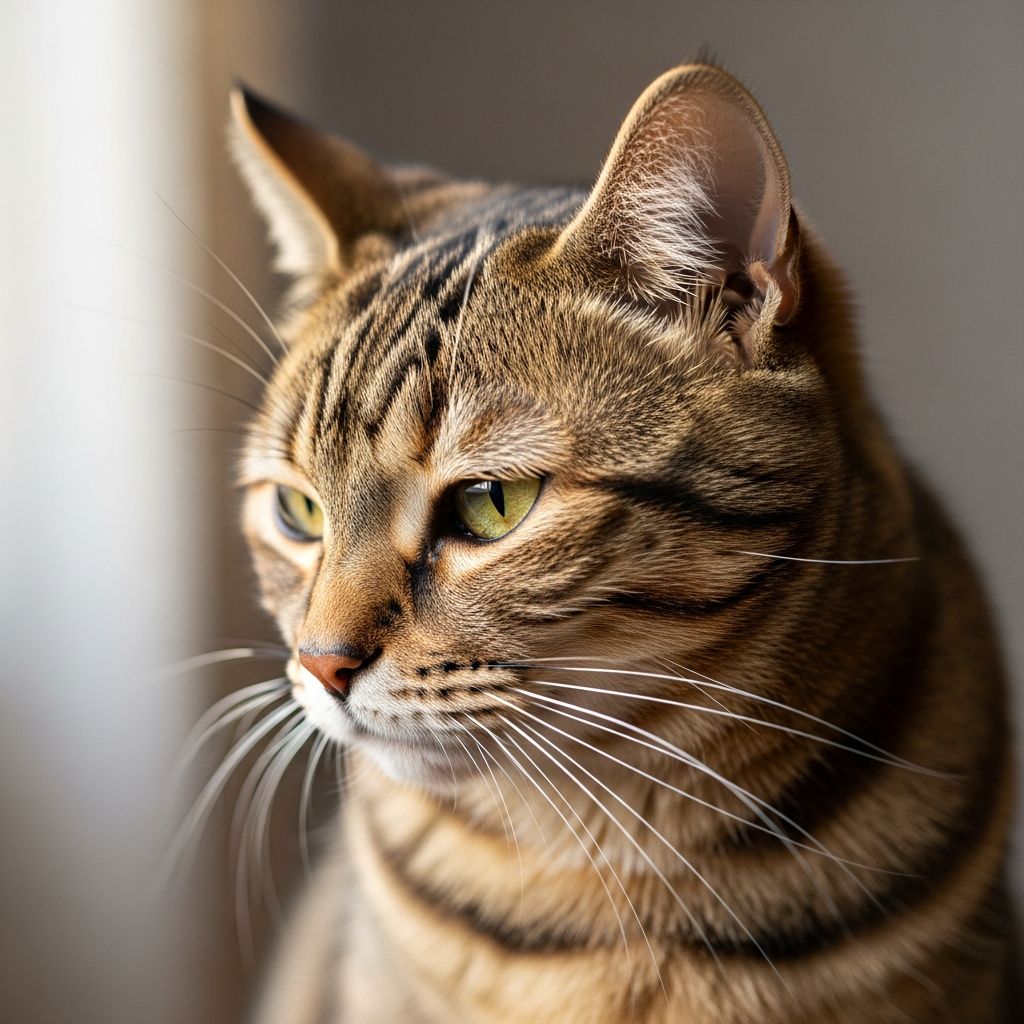
Cats are masters of masking discomfort, but stress manifests in observable ways that attentive owners can detect. Early recognition allows for timely interventions, preventing escalation into chronic health problems. This article delves into the behavioral, physical, and environmental cues of feline stress, drawing from veterinary insights to equip you with actionable knowledge.
Understanding Feline Stress Responses
Stress in cats triggers the fight-or-flight mechanism, releasing hormones like cortisol that affect behavior and physiology. While short-term stress aids survival, prolonged exposure weakens immunity, leading to illnesses such as urinary tract issues or respiratory infections. Veterinary sources emphasize monitoring subtle shifts in daily patterns to differentiate stress from medical conditions.
Behavioral Signs Your Cat May Be Stressed
Changes in routine interactions often signal emotional distress. Cats under stress alter their social engagement, activity levels, and habits in predictable patterns.
- Hiding and Withdrawal: A cat that suddenly avoids familiar spaces or family members seeks solitude. This retreat to closets, under beds, or high shelves indicates overwhelm from perceived threats.
- Increased Vocalizations: Excessive meowing, yowling, growling, or hissing communicates unease. These sounds serve as alerts for help or warnings to intruders.
- Aggression or Irritability: Sudden swats, bites, or flattened ears with dilated pupils show defensive posturing. Even gentle cats may lash out when cornered by stress.
- Pacing and Restlessness: Constant movement or inability to settle reflects inner turmoil, often paired with attempts to escape enclosed areas.
These behaviors contrast with a cat’s typical independence, warranting observation of patterns lasting over a few days.
Physical Manifestations of Stress
Beyond actions, stress impacts the body visibly. Gastrointestinal upset and grooming excesses are common, mimicking illness but rooted in anxiety.
| Physical Sign | Description | Potential Complications |
|---|---|---|
| Overgrooming | Aggressive licking or chewing leading to bald patches, sores, or irritated skin. | Skin infections, hair loss. |
| Appetite Fluctuations | Refusal to eat, overeating, or selective pickiness. | Weight loss/gain, nutritional deficiencies. |
| Digestive Distress | Diarrhea, vomiting, or constipation episodes. | Dehydration, chronic gut issues. |
| Litter Box Avoidance | Urinating or defecating outside the box, including spraying. | UTIs, household conflicts. |
| Trembling or Rapid Breathing | Shaking, panting, or tense posture. | Exhaustion, heart strain. |
Senior cats may show cognitive signs like repetitive yowling or fabric chewing due to brain changes exacerbated by stress. Always consult a vet to rule out arthritis, infections, or dental pain mimicking these symptoms.
Common Triggers Sparking Cat Stress
Environmental disruptions disrupt a cat’s need for stability and territory. Identifying triggers enables proactive management.
- Household Changes: New pets, babies, guests, or rearranged furniture challenge territorial instincts.
- Routine Disruptions: Shifted feeding times, owner travel, or inconsistent play sessions unsettle predictable lives.
- Health-Related Factors: Pain from injuries, chronic diseases, or age-related decline like cognitive dysfunction amplifies stress.
- External Stimuli: Loud noises (fireworks, vacuums), construction, or visible strays provoke anxiety.
- Resource Scarcity: Insufficient litter boxes, scratching posts, or hiding spots in multi-pet homes breed competition.
Breeds like Siamese or Burmese may exhibit heightened sensitivity to these factors due to genetic predispositions.
Health Impacts of Unresolved Stress
Chronic stress suppresses immunity, reactivating latent viruses like feline herpesvirus (FHV-1), causing recurrent respiratory issues. It contributes to idiopathic cystitis, destructive scratching, and even self-injurious behaviors. Studies link prolonged cortisol elevation to weakened resistance against infections and slower healing.
Strategies to Alleviate Cat Stress
Creating a supportive environment restores balance. Start with minimal changes and monitor responses.
- Enrich the Environment: Provide vertical spaces, window perches, and interactive toys to fulfill hunting instincts.
- Maintain Routines: Stick to consistent feeding, play, and litter cleaning schedules.
- Resource Optimization: Follow the n+1 rule—one more litter box, food station, and bed than pets.
- Pheromone Therapy: Synthetic feline pheromones mimic calming scents from nursing mothers.
- Calming Supplements: Vet-approved options like L-theanine or milk protein hydrolysates reduce anxiety without sedation.
- Professional Intervention: Behavioral consultations or anxiety medications for severe cases.
Gradual introductions for new pets using scent swapping and supervised meetings minimize conflicts.
Age-Specific Stress Considerations
Kittens stress from separation or novelty, while adults react to territorial invasions. Seniors face compounded issues from pain and cognitive shifts, showing as disorientation or exaggerated vocalizing. Tailor interventions to life stage for best outcomes.
When to Seek Veterinary Help
If signs persist beyond 48 hours, accompany weight loss, lethargy, or blood in urine/stool, schedule a checkup. Vets perform exams to exclude hyperthyroidism, kidney disease, or pain. Bloodwork and urinalysis pinpoint underlying issues.
FAQs on Cat Stress
Can stress cause my cat to stop using the litter box?
Yes, stress often leads to inappropriate elimination as a marking response or from painful associations. Rule out medical causes first.
How long does it take for a stressed cat to recover?
Recovery varies from days to weeks with trigger removal and support. Persistent cases may need professional help.
Is overgrooming always stress-related?
No, allergies or parasites can cause it, but stress-induced grooming creates symmetric bald spots, often on belly or legs.
Do certain cat breeds stress more easily?
Oriental breeds like Siamese show vocal and compulsive stress responses more frequently.
Can diet help manage cat stress?
Nutrient blends with tryptophan and omega-3s support calm, but consult your vet before changes.
References
- Signs & Symptoms of a Stressed Cat — Purina US. 2023-05-15. https://www.purina.com/articles/cat/health/symptoms/is-my-cat-stressed
- Signs of Stress in Cats and How You Can Help — Hill’s Pet Nutrition. 2024-02-10. https://www.hillspet.com/cat-care/healthcare/stress-in-cats
- 8 Signs Your Cat Is Stressed — PetMD. 2024-08-20. https://www.petmd.com/cat/behavior/signs-cat-is-stressed
- Recognizing Stress Signals in Your Cat — Spay Neuter Network. 2023-11-05. https://spayneuternet.org/pet-education/recognizing-stress-signals-in-your-cat/
- Spotting Signs of Cat Stress — Cats Protection. 2024-01-12. https://www.cats.org.uk/help-and-advice/health/cat-stress
Similar Articles








Read full bio of medha deb




