Recognizing Signs of Illness in Pet Birds
Learn to identify early warning signs of illness in pet birds and when to seek veterinary care.
Recognizing the Signs of Illness in Pet Birds
Pet birds are cherished companions that bring joy, beauty, and unique personalities to our homes. However, one of the most challenging aspects of bird ownership is recognizing when your feathered friend is unwell. Unlike mammals, birds have a natural instinct to hide signs of weakness and illness as a survival mechanism to avoid appearing vulnerable to predators. This means that by the time a pet bird begins to display visible symptoms of illness, the condition has likely been developing for several days or even weeks. As a responsible bird owner, understanding how to identify subtle signs of illness is crucial for ensuring your bird receives prompt veterinary care when needed.
Why Early Detection Matters
The ability to recognize early warning signs of illness in your pet bird can literally be the difference between life and death. Birds can deteriorate rapidly once illness takes hold, and what may seem like minor symptoms today could develop into a serious, life-threatening condition tomorrow. By familiarizing yourself with the various signs and symptoms of illness, you become your bird’s first line of defense against preventable complications. Just because your bird’s outward appearance seems normal does not guarantee that the bird is healthy. Any deviation from your bird’s normal behavior, appearance, or habits should be taken seriously and warrant a consultation with your veterinarian.
Common Causes of Illness in Pet Birds
Many factors can contribute to illness in pet birds. Understanding these causes can help you take preventive measures to keep your bird healthy. Improper diets are among the most common causes of sickness in pet birds, as many owners unknowingly provide nutritionally inadequate food. Additional causes include trauma, toxicities from environmental hazards, poor cage maintenance, inferior hygiene, chronic stress, bacterial and viral infections, parasites, and genetic abnormalities. Creating a healthy environment with proper nutrition, regular cleaning, appropriate social interaction, and stress reduction can significantly reduce your bird’s risk of becoming ill.
General Signs of Illness
General symptoms of a sick bird often represent the most noticeable changes in appearance and activity level. Learning to recognize these signs should be the foundation of any bird owner’s health monitoring routine.
Physical Appearance Changes
- Poor physical appearance with ruffled or unkempt feathers
- Fluffed feathers that make the bird appear fatter than normal
- Drooping or sagging wings
- Distended or swollen abdomen
- Dramatic changes in weight, either increased or decreased
- Visible trauma, bleeding, cuts, or bruises
Behavioral and Activity Changes
- Listlessness, inactivity, or depression
- Reluctance to move or climb
- Sleeping more than usual, particularly with closed eyes during the day
- Sitting low on the perch or remaining at the bottom of the cage for extended periods
- Changes in vocalization patterns, including reduced talking or singing
- Loss of interest in normal activities and social interaction
- Weakness or difficulty maintaining balance
Appetite and Consumption Changes
- Not eating or significant changes in eating habits
- Reduced appetite
- Changes in the amount of water consumed
- Throwing up food or excessive regurgitation
Behavioral Signs of Illness
Changes in your bird’s behavior often provide some of the earliest clues that something is wrong. Birds that are normally active, social, and engaged may become withdrawn and unresponsive when ill. Pay attention to shifts in temperament and personality, as these changes can be significant indicators of underlying health issues.
Personality and Attitude Changes
- Any change in regular attitude, behavior, or personality
- Unusually tame behavior in birds that are normally independent or shy
- Irritability, agitation, or increased biting behavior
- Increased aggression toward humans or cage mates
- Hiding in corners of the cage or in dark places
- Decreased interest in toys, mirrors, or environmental enrichment
Eye and Facial Signs
The eyes and facial region can reveal important information about your bird’s health status. Birds suffering from illness often display distinctive eye-related symptoms that warrant immediate veterinary attention.
- Closed eyes during daytime hours
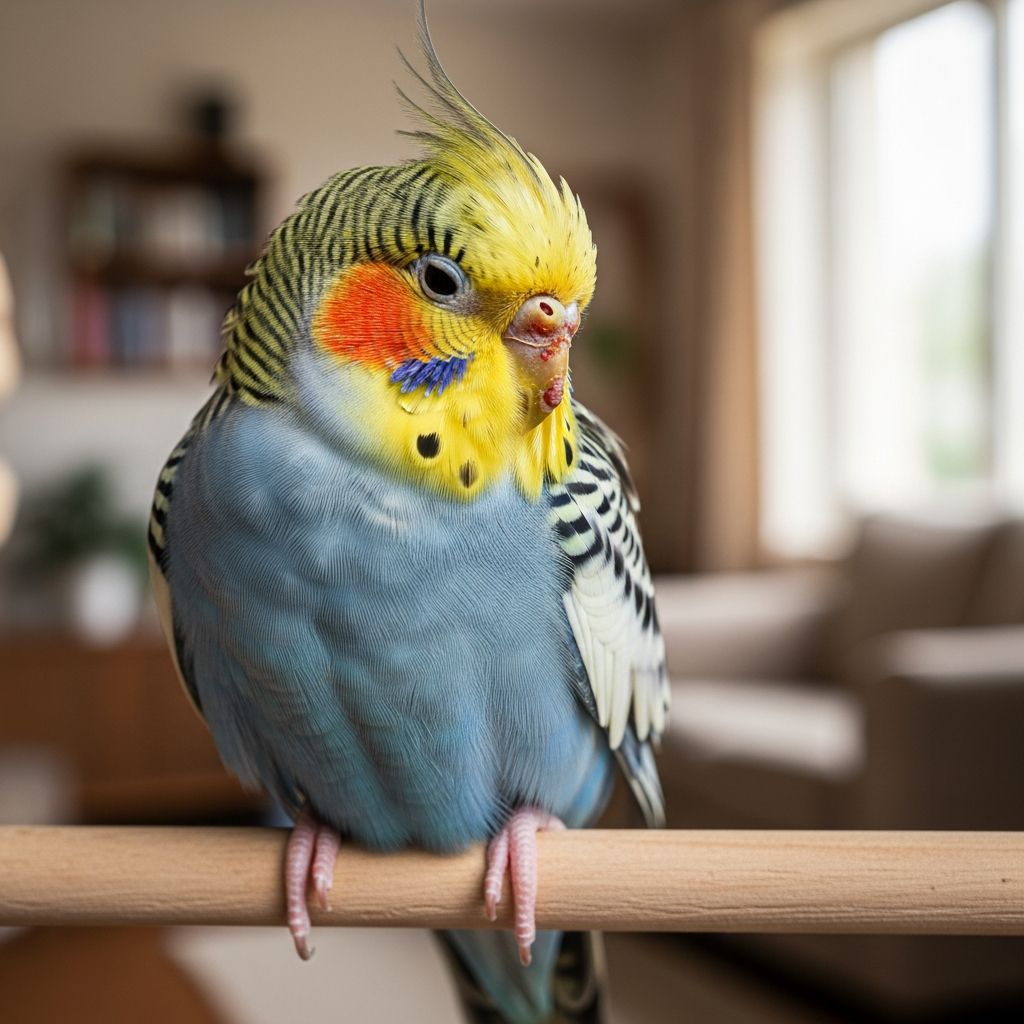
- Ocular discharge or matting around the eyes
- Redness of the eye or eyelids
- Cloudy or hazy appearance of the eyes
- Bulging eyes (exophthalmos)
- Swelling in or around the eyes
- Discharge from the nostrils or beak area
Respiratory Symptoms
Respiratory issues are among the most serious health concerns in pet birds. Birds have a highly efficient respiratory system, and any disruption in breathing function requires urgent veterinary evaluation. Watch carefully for the following respiratory symptoms:
- Labored breathing or open-mouth breathing
- Tail bobbing with each breath (moving the tail up and down rhythmically)
- Nasal discharge or runny nose
- Blocked or congested nostrils
- Increased or decreased nostril size
- Excessive sneezing
- Wheezing or wet breathing sounds
- Coughing
- Irregularity or swelling of the cere (the skin around the nostrils)
- Staining of the feathers around or above the nostrils
Skin and Feather Abnormalities
Feathers are a critical component of your bird’s health and thermoregulation. Abnormalities in feather condition and skin health often indicate underlying systemic illness or localized skin conditions that require treatment.
Feather Problems
- Abnormal feathers displaying dull color, unusual texture, improper shape, or abnormal structure
- Bleeding from blood feathers or pin feathers (new growing feathers)
- Prolonged molt lasting longer than normal for your bird’s species
- Feather changes including abnormal coloring, chewing, plucking, or damage
- Baldness or significant feather loss in patches
- Excessive scratching or preening
Skin and Beak Issues
- Flaky, crusty, or sore skin
- Abnormal beak appearance including color changes, overgrowth, or texture irregularities
- Abnormal nails with color changes, overgrowth, or texture problems
- Lumps, bumps, swellings, or bulges on the body
- Trauma, cuts, or bruises
Musculoskeletal and Movement Issues
Problems with movement and the musculoskeletal system can indicate various health conditions ranging from minor injuries to serious systemic diseases. Monitor your bird’s mobility and posture carefully.
- Sore feet or reluctance to perch normally
- Sore or painful wings
- Lameness or shifting of body weight to one side
- Swollen joints
- Paralysis or inability to move limbs
- Generalized weakness throughout the body
- One or both wings consistently drooped or hanging
- Not perching properly or sitting on the bottom of the cage for extended periods
Digestive and Urinary Symptoms
Changes in droppings and elimination patterns are among the most important indicators of bird health. Since birds produce droppings approximately every 20 to 30 minutes during waking hours, monitoring these changes should be a daily habit for attentive bird owners.
Dropping Changes
- Polyuria (excess water passed with each dropping)
- Diarrhea characterized by mushy or unformed feces
- Changes in dropping color including red, yellow, tarry black, or pale appearance
- Decreased number of droppings below the normal frequency of one dropping every 20-30 minutes
- Staining of feathers around the vent area
- Straining to defecate or difficulty with elimination
Vomiting and Regurgitation
- Wet feathers around the face and head from vomiting
- Mucus stuck to feathers on the head (vomiting)
- Excessive regurgitation
- Protrusions from the vent (prolapse)
Neurological Symptoms
Neurological issues in birds can manifest in various ways and often indicate serious underlying conditions that require immediate veterinary attention. These symptoms suggest problems with the nervous system that may be progressive and potentially life-threatening.
- Balance problems or difficulty maintaining equilibrium
- Head tilt to one side
- Falling from perches or inability to stay balanced
- Constant muscle twitching or tremors
- Seizures or convulsions
- Unconsciousness or unresponsiveness
- Paralysis of one or more limbs
- Generalized weakness affecting overall mobility
When to Contact Your Veterinarian
You should contact your veterinarian immediately if you notice any of the symptoms listed above or any other changes in your bird’s normal behavior, appearance, or habits. Do not delay seeking veterinary care, as serious illness can develop quickly in birds. Remember that birds are masters at hiding illness until the condition becomes quite advanced, so early intervention based on subtle changes is essential for the best possible outcome.
If your bird shows any deviation from normal, err on the side of caution and call your avian veterinarian. It is always better to have a false alarm than to miss a genuine health crisis. Your veterinarian can perform a thorough examination and run diagnostic tests to determine whether your bird requires treatment.
Frequently Asked Questions
Q: How often should I observe my bird for signs of illness?
A: You should observe your bird daily during normal waking hours. Pay attention to feeding habits, activity level, vocalization, droppings, and overall demeanor. Most birds have consistent routines, making it easier to notice when something is amiss.
Q: Can birds recover from serious illnesses?
A: Recovery depends on the specific illness, severity, and how quickly treatment is initiated. Early detection and prompt veterinary care significantly improve the chances of recovery. Some illnesses are treatable while others may be life-threatening.
Q: What should I do if I suspect my bird is ill but it seems to be eating?
A: Do not assume that eating means your bird is healthy. Many birds continue to eat while suffering from serious illnesses. If you notice any other changes in behavior or appearance, contact your veterinarian immediately.
Q: How can I prevent illness in my pet bird?
A: Prevention includes providing a proper diet, maintaining excellent cage hygiene, offering appropriate social interaction, minimizing stress, providing fresh water daily, avoiding exposure to toxins, and scheduling regular veterinary check-ups.
Q: Is it normal for birds to sleep a lot?
A: Birds do sleep significantly during their daily cycle, but there is a difference between normal sleeping and sleeping excessively due to illness. If your bird is sleeping more than usual during waking hours or seems difficult to wake, this could indicate illness.
Q: What does tail bobbing mean in birds?
A: Tail bobbing synchronized with breathing is a sign of respiratory distress. This occurs when your bird is working harder to breathe and requires immediate veterinary evaluation.
References
- Illness in Pet Birds — Merck Veterinary Manual. 2024. https://www.merckvetmanual.com/bird-owners/routine-care-and-safety-of-birds/illness-in-pet-birds
- Recognizing the Signs of Illness in Pet Birds — VCA Animal Hospitals. 2024. https://vcahospitals.com/know-your-pet/recognizing-the-signs-of-illness-in-pet-birds
- Bird Health: Signs of a Sick Bird, Avian Vet Care — Best Friends Animal Society. 2024. https://bestfriends.org/pet-care-resources/bird-health-signs-sick-bird-avian-vet-care
- Birds — Centers for Disease Control and Prevention. 2024. https://www.cdc.gov/healthy-pets/about/birds.html
- How to Tell if Your Pet Bird is Sick — myBird. 2024. https://myrightbird.com/articles/how-to-tell-if-your-pet-bird-is-sick
Similar Articles







Read full bio of Sneha Tete