

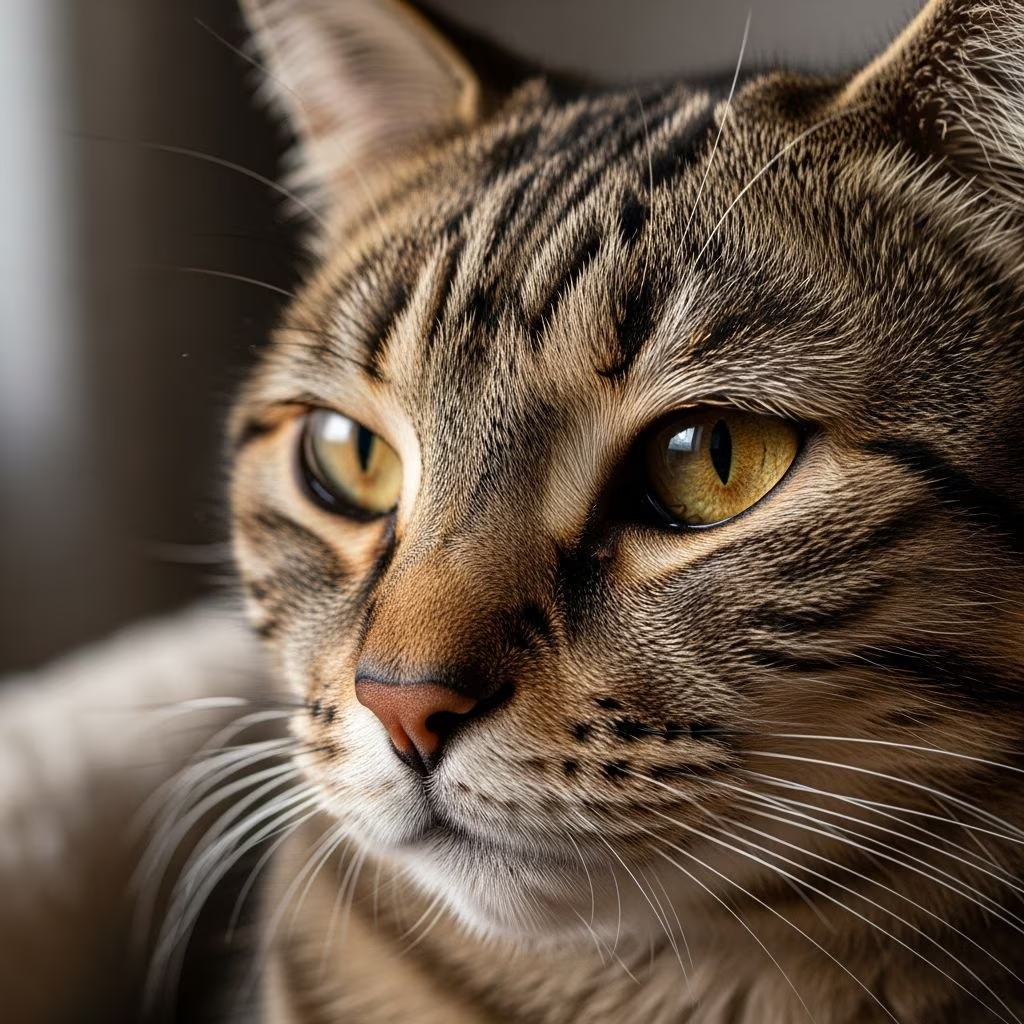
Recognizing the Signs of Illness in Cats
Cats have evolved a remarkable ability to hide signs of illness and pain, making it challenging for pet owners to detect health problems in their feline companions. Unfortunately, this natural survival instinct means that a cat may be very sick before an owner realizes something is wrong. In the early stages of illness, often the only thing that cat owners may notice is that their cat has become quiet and withdrawn. This hidden behavior is why veterinarians emphasize the importance of regular wellness examinations and why understanding the subtle signs of feline illness is crucial for responsible pet ownership.
Through training and experience, veterinarians are equipped to notice subtle signs that a cat is developing a health problem. The American Veterinary Medical Association recommends twice-yearly wellness examinations for the average adult cat, as these preventative visits can catch diseases before they become serious. Delaying your cat’s veterinary visit until there are obvious signs of illness may mean that more intensive treatments will be required to address the problem. By learning to recognize early warning signs, you can ensure your cat receives prompt medical attention when needed.
What Changes Should You Look For?
With some understanding of how cats show symptoms of illness, you can recognize early warning signs and know what information you need to provide your veterinarian. Cats that are ill usually show changes in several key areas of their health and behavior. These changes may include overall appearance, energy level, sociability, coat appearance, and the amount of shedding. Additionally, pet owners should monitor appetite, litter box usage, breathing patterns, and any discharge from the eyes or nose.
The most important principle to remember is that any sudden change in your cat’s behavior or appearance should alert you that your cat needs veterinary attention. These changes may be subtle, which is why close observation of your pet’s daily habits is essential for early detection of health issues.
Changes in Overall Appearance
Cats that are not feeling well may simply look a little “off,” even if there is no single dramatic change that stands out. Your cat might sit in a hunched position, might not move as gracefully as before, might not lift its head properly, might have a head tilt, or might carry its tail differently. Sometimes, there isn’t any one obvious symptom, but rather a variety of subtle changes that collectively suggest your cat is not feeling well.
Weight Changes and Body Condition
Weight loss is a particularly important indicator of health problems in cats. Cats with chronic illness may develop slow and subtle weight loss that is only obvious when you run your hands along the ribs and spine. By regularly feeling your cat’s body, you can detect weight loss before it becomes visually apparent. Cats that suddenly lose weight, particularly if they were previously overweight, are usually suffering from a metabolic disease such as diabetes or hyperthyroidism. These conditions require prompt veterinary evaluation and treatment to prevent serious complications.
Changes in Sociability and Energy Level
One of the most noticeable signs of illness in cats is a change in their social behavior and energy levels. Sick cats usually become withdrawn and may hide, although this depends on the personality of the individual cat. Some cats have opposite reactions and become clingier or demand more attention, while others simply become cranky or irritable. Understanding your cat’s normal personality and baseline behavior makes it easier to notice when something has changed.
Generally, sick cats also have lower energy levels. The only thing you may notice is that your cat sleeps more than usual, does not play as much as before, or exhibits restlessness and appears unable to get comfortable. If your normally active cat suddenly becomes lethargic or your quiet cat becomes unusually demanding, these changes warrant a veterinary visit.
Litter Box Changes
Changes in litter box habits are significant indicators of disease in cats and should never be ignored. Both diarrhea and constipation can signal underlying health issues. Diarrhea is usually easy to recognize in the litter box, but constipation can be much harder to notice since the litter box may appear relatively normal.
Stool Changes
Small, hard, and dry stools are never normal in cats and are often an early indication of kidney disease or other digestive issues. If you notice your cat straining in the litter box or producing abnormal stools, this requires veterinary attention. Keeping track of your cat’s typical litter box habits will help you identify these subtle changes more quickly.
Urination Changes
Changes in urination patterns are equally important to monitor. Increased amounts of urine in the box indicate an inability to properly conserve water and may mean that your cat is developing kidney or liver problems, or diabetes mellitus. Conversely, if your cat is urinating less frequently or in smaller amounts, this may suggest a urinary tract issue or kidney problem. Some cats with urinary issues will strain when attempting to urinate, visit the litter box more frequently than normal, or engage in excessive genital licking. Any of these signs warrant immediate veterinary care, as urinary blockages can be life-threatening emergencies.
Breathing Problems
Respiratory changes can indicate serious underlying health conditions and should be taken seriously. Breathing difficulty, such as shallow breathing, mouth breathing, or panting, may indicate a problem with the airways or lungs. Cats with breathing problems often extend their head and neck to facilitate breathing or may be unable to sleep in a normal position. They may prefer to sit upright or in unusual postures to help with respiration.
Repeated bouts of sneezing or coughing are additional signs of health issues that deserve veterinary attention. While occasional sneezing is normal, persistent coughing or sneezing episodes may indicate respiratory infections, allergies, or other serious conditions. If you notice your cat experiencing any of these breathing-related symptoms, schedule a veterinary appointment promptly.
Eye Changes and Abnormalities
The eyes can provide important clues about your cat’s health status. Signs of trouble include droopy eyelids, discharges that are green, yellow, or white, squinting, pupils that are dilated or constricted, or anisocoria, which occurs when one pupil is dilated and the other is constricted. Sick cats often have elevated third eyelids. The third eyelid is located beneath the lower eyelid and, in a sick cat, it will cover part of the eyeball.
Eye problems require urgent attention because any abnormality with the eyes can result in blindness. If you observe any unusual eye symptoms, do not delay—see your veterinarian immediately. Early intervention can often prevent permanent vision loss.
Other Important Symptoms
It is not normal for a healthy cat to have any discharge from the nose, debris in the ears, excessive salivation, bad breath, or unusual odor from other parts of the body. These symptoms suggest underlying health issues that require veterinary evaluation.
Vomiting and Gastrointestinal Signs
Vomiting is a cause for alarm, particularly vomiting of clear foamy fluid or bile-tinged material. While occasional hairballs are normal in cats, frequent vomiting is not and may indicate infections, diseases, intestinal blockages, or urinary tract obstructions. If your cat vomits more than occasionally, schedule a veterinary appointment.
Color Changes in Gums, Skin, and Eyes
Gums, skin, or eyes that are pale may indicate anemia, a serious blood condition. A yellow tint to the gums, skin, or eyes may indicate jaundice, suggesting liver problems. A bluish tint may indicate a lack of oxygen, which is a medical emergency. Delaying treatment for these disorders, even by a few hours, can be fatal, so seek immediate veterinary attention if you notice these color changes.
When to Seek Immediate Veterinary Care
Certain signs indicate that your cat needs immediate veterinary attention and should not wait for regular appointment times. If your cat does not eat for more than 24 hours, seek immediate veterinary attention, as cats can develop hepatic lipidosis, or fatty liver disease, quickly when they stop eating. Similarly, if you notice any breathing problems, straining in the litter box, or eye abnormalities, contact your veterinarian or emergency veterinary clinic right away.
The Role of Pain in Feline Illness
Pain is often an underlying factor in feline illness that pet owners may not immediately recognize. Cats have a strong instinct to hide or mask pain, making it difficult to diagnose without close observation. Changes in vocalization, including meowing more than normal or purring at unexpected times, can indicate pain. Additionally, behavioral changes such as growling or hissing when approached, reluctance to jump or climb, walking with a limp, or changes in sleeping positions may all signal that your cat is experiencing pain and discomfort.
Frequently Asked Questions
Q: How often should I take my cat to the veterinarian?
A: The American Veterinary Medical Association recommends twice-yearly wellness examinations for the average adult cat. Senior cats may benefit from more frequent visits. Kittens and cats with chronic conditions may also need more frequent veterinary care.
Q: Why do cats hide when they are sick?
A: Cats have evolved to hide signs of illness as a survival instinct. In the wild, showing signs of weakness makes them vulnerable to predators, so this behavior is deeply ingrained. Understanding this helps pet owners recognize that even subtle changes in behavior warrant veterinary attention.
Q: What should I do if I notice my cat hasn19t eaten for 24 hours?
A: Contact your veterinarian immediately. Cats can develop hepatic lipidosis or fatty liver disease quickly when they stop eating, which can be life-threatening if left untreated.
Q: Are there warning signs specific to older cats?
A: Yes, older cats may develop osteoarthritis, which causes painful inflammation of the joints. Watch for reluctance to jump, limping, changes in posture, or decreased activity levels. Senior cats may also be more prone to kidney disease, diabetes, and hyperthyroidism.
Q: How can I tell the difference between normal cat behavior and signs of illness?
A: Pay attention to your cat’s baseline behavior. Any sudden or gradual change from their normal patterns—whether in eating, litter box habits, activity level, or social behavior—may indicate illness. Trust your instincts; if something seems wrong, contact your veterinarian.
The Importance of Preventive Health Care
Understanding the signs of illness in cats is one part of responsible pet ownership. Equally important is implementing a preventive health care plan that includes regular veterinary examinations, appropriate vaccinations, dental care, and parasite prevention. Avoiding illness is always better than treating it, and preventive care helps your cat live a long, healthy, and happy life.
By becoming familiar with your cat’s normal appearance, behavior, and habits, you position yourself to catch health problems early. Work closely with your veterinarian to develop a health care plan tailored to your cat’s individual needs and life stage. Remember, your veterinarian is your best and most reliable resource to ensure your pet’s well-being and health. If you have any concerns or questions about your cat’s health, visit or call your veterinarian’s office promptly.
References
- Recognizing the Signs of Illness in Cats — VCA Animal Hospitals. 2024. https://vcahospitals.com/know-your-pet/recognizing-signs-of-illness-in-cats
- How Do I Know if My Cat is in Pain? — VCA Animal Hospitals. 2024. https://vcahospitals.com/know-your-pet/how-do-i-know-if-my-cat-is-in-pain
- Why Preventive Health Care is Important for Cats — VCA Animal Hospitals. 2024. https://vcahospitals.com/know-your-pet/why-preventive-health-care-is-important-for-cats
- Hepatic Lipidosis in Cats — Cornell University College of Veterinary Medicine. 2023. https://www.vet.cornell.edu/departments-centers-and-institutes/cornell-feline-health-center
- Feline Health Guidelines — American Veterinary Medical Association. 2024. https://www.avma.org/resources-tools/pet-owners



