

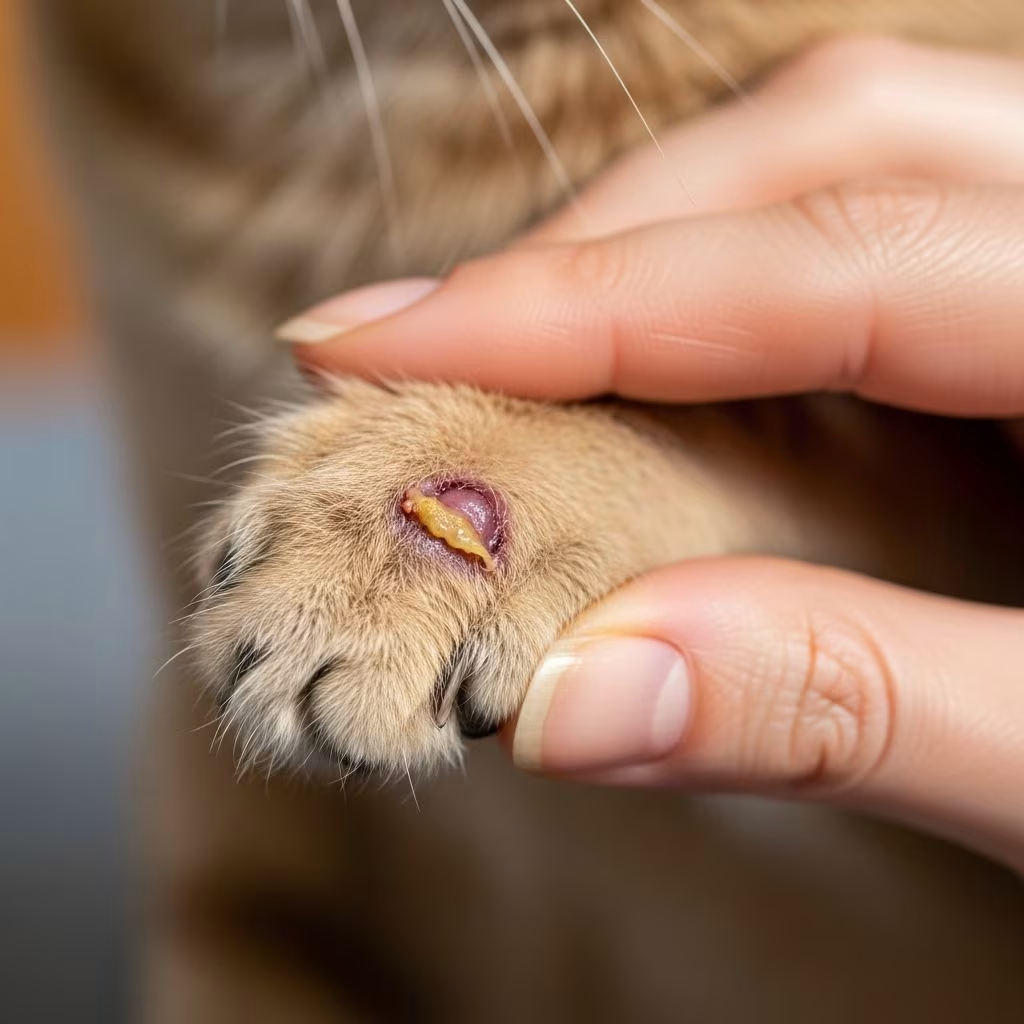
Wounds are an inevitable part of pet ownership. Whether your companion suffers a minor scrape during playtime, sustains an injury from another animal, or develops an accidental cut, understanding how to assess and monitor wound health is crucial for preventing serious complications. One of the most important skills every pet owner should develop is the ability to identify early signs that a wound may be progressing from a simple injury to an active infection.
Pet owners frequently encounter the challenge of determining whether a wound requires professional veterinary attention or can be safely managed at home. While many minor injuries heal without incident, contaminated wounds—which include most injuries occurring in natural environments—carry a substantial risk of bacterial colonization. Understanding the distinction between normal healing and infection can mean the difference between a straightforward recovery and a complex medical emergency requiring advanced intervention.
Understanding Wound Contamination and Infection Risk
Most wounds sustained by pets occur in environments naturally populated by bacteria. When a dog is bitten by another animal, scratched by outdoor debris, or injured on contaminated surfaces, the wound site becomes exposed to numerous microorganisms. This exposure is not merely theoretical—it represents a genuine contamination event that significantly increases infection probability.
The distinction between contamination and infection is important for pet owners to understand. A contaminated wound contains bacteria but has not yet developed a clinical infection. An infected wound, by contrast, shows active signs of bacterial proliferation and the body’s inflammatory response to that bacterial presence. The transition from contamination to infection can occur within hours or develop gradually over several days, making consistent monitoring essential.
Bacteria commonly found in pet wounds include organisms present in soil, saliva, and environmental surfaces. These microorganisms multiply rapidly in the warm, moist environment of a wound, particularly when the injury is not properly cleaned or when a pet repeatedly licks or traumatizes the area.
Primary Indicators of Wound Infection
Pet owners should become familiar with the key warning signs that indicate a wound may be infected. These clinical indicators typically appear progressively and warrant immediate veterinary evaluation when observed.
Visible Discharge and Drainage
One of the most recognizable signs of wound infection is the presence of discharge from the injury site. Infected wounds often produce visible drainage that differs significantly from normal wound fluid. Particularly concerning is discharge that appears yellow, green, or contains blood mixed with other fluids. This type of discharge suggests active bacterial infection and requires prompt professional assessment. The presence of pus—a yellowish or greenish fluid—indicates that white blood cells are actively fighting the infection, and professional intervention is necessary.
Swelling and Inflammation
Progressive swelling around the wound represents another critical warning sign. While some initial swelling is normal as the body’s inflammatory response begins, swelling that increases over time or becomes pronounced suggests infection. The area around the wound may feel warm to the touch, appear increasingly red, or develop noticeable puffiness that extends beyond the immediate injury site.
Odor Development
An unpleasant or unusual odor emanating from the wound is a strong indicator of bacterial proliferation. Healthy wounds may have a slightly unusual smell as normal healing processes occur, but a distinctly foul odor—particularly one that becomes more pronounced over time—strongly suggests infection requiring veterinary treatment.
Behavioral and Constitutional Changes
Pets with infected wounds often display systemic signs beyond the local wound area. These may include fever, reduced appetite, decreased energy levels, and general lethargy. Some pets will repeatedly lick or chew at the infected wound, further traumatizing the area and potentially spreading bacteria. Pain responses, including reluctance to move normally or protective behavior when the wound is touched, often accompany infection.
Timeline of Infection Development
Understanding when infection typically manifests can help pet owners recognize problems before they become severe. Most wounds begin showing signs of infection within the first few days following injury, though some infections develop more slowly over a week or longer. Early detection during this window significantly improves treatment outcomes and reduces the risk of serious complications.
The risk of serious infection should not be underestimated. Untreated bite wounds in particular can develop into severe infections affecting joints, bones, or even the chest cavity. The longer an infection remains untreated, the more systemic the problem becomes, and the more extensive the veterinary treatment required.
Daily Wound Monitoring Protocol
Pet owners should establish a consistent routine for wound observation. Professional recommendations suggest examining wounds at least twice daily, particularly during the first week following injury.
- Inspect the wound for changes in size, color, or appearance
- Note any increase in discharge or changes in drainage characteristics
- Assess swelling and compare to previous observations
- Observe your pet’s behavior and energy levels
- Monitor for signs of fever, decreased appetite, or lethargy
- Check for excessive licking or other self-trauma
- Record observations to track progression over time
Professional Wound Assessment and Treatment
When a pet owner observes signs of infection, veterinary evaluation should not be delayed. Veterinarians will perform diagnostic tests and develop treatment recommendations based on wound severity and the nature of clinical signs observed. Treatment approaches vary depending on infection extent and wound characteristics.
For less severe infections, veterinarians typically prescribe oral or topical antibiotics. Medications such as orbifloxacin—a once-daily antibiotic—effectively treat bacterial skin infections and wound abscesses. Veterinarians may also recommend topical antibiotic creams applied directly to the wound.
More serious infections may require surgical intervention. In these cases, veterinarians may lance and clean abscesses under sedation or anesthesia, remove dead tissue, extract foreign material, and place drainage systems to prevent premature closure and allow proper drainage. Some wounds will be left open for topical treatment rather than sutured, ensuring infection does not re-establish beneath closed tissue.
Severe infections occasionally require hospitalization, intravenous antibiotics, and extended medical management. This intensive approach becomes necessary when infection spreads systemically or when the wound complexity requires advanced intervention.
Home Care Following Wound Infection Diagnosis
Once a veterinarian has diagnosed wound infection, proper home care becomes critical for successful recovery. Pet owners must follow all prescribed treatment protocols precisely.
Medication Administration
All prescribed antibiotics must be administered exactly as directed, and the full course must be completed even if the wound appears to be improving. Discontinuing antibiotics prematurely allows remaining bacteria to multiply, potentially leading to recurrent infection or antibiotic resistance.
Wound Cleaning
Veterinarians typically recommend cleaning infected wounds twice daily using warm tap water or saline solution. Saline can be easily prepared at home by dissolving approximately one teaspoon of salt in two cups of cooled, boiled water. This gentle cleaning removes debris and supports healing without causing additional tissue damage.
Pet owners must avoid harsh cleaning products. Hydrogen peroxide, rubbing alcohol, and iodine solutions should never be applied to pet wounds, as these substances can damage healthy tissue and interfere with healing.
Preventing Self-Trauma
Preventing pets from licking, biting, or scratching at infected wounds is essential for recovery. Protective devices such as Elizabethan collars, inflatable collars, or specialized medical pet shirts effectively prevent self-trauma. Some veterinarians recommend bitter apple spray as a deterrent applied over bandages to discourage licking.
Bandaging and Topical Treatments
Veterinarians may recommend bandage changes and application of prescribed topical treatments. When applying bandages, pet owners should use sterile gauze and avoid products containing corticosteroids, which can interfere with immune function and wound healing.
Prevention Strategies for Pet Wound Infections
While not all wounds can be prevented, certain practices significantly reduce infection risk in injuries that do occur.
- Immediately flush wounds with clean water or saline to remove debris and bacteria
- Gently clean the wound area without using harsh chemicals
- Apply appropriate antiseptic solutions as recommended by veterinarians
- Bandage wounds to prevent contamination and reduce licking
- Restrict exercise during early healing phases
- Maintain consistent wound observation and documentation
- Seek prompt veterinary evaluation for puncture wounds or bites
When Immediate Emergency Care is Necessary
Certain situations require immediate emergency veterinary care rather than routine appointment scheduling. Pet owners should bypass normal appointment systems and seek emergency care when:
- Bleeding does not stop within 10 minutes of applying pressure
- The wound contains embedded foreign material that cannot be safely removed
- The pet displays signs of severe systemic infection including high fever or severe lethargy
- The wound involves the face, eyes, or vital body areas
- Deep puncture wounds or animal bite wounds are present
- The pet shows signs of shock or severe pain
Frequently Asked Questions About Pet Wound Infections
How quickly do wound infections develop in pets?
Infection can begin developing within hours of contamination, though clinical signs may not appear for several days. Most infected wounds show visible symptoms within the first week following injury. Monitoring during this critical period allows for early intervention.
Can infected wounds heal without antibiotics?
While some minor contaminated wounds may resolve without infection, established infections require professional treatment. Attempting to manage infected wounds at home without antibiotics risks serious complications and systemic spread of infection.
Is discharge from a wound always a sign of infection?
Some clear or pale-colored drainage is normal during wound healing as the body removes debris and dead cells. However, yellow, green, bloody, or foul-smelling discharge indicates infection requiring professional evaluation.
How long do infected wounds typically require treatment?
Treatment duration varies based on infection severity and wound characteristics. Most infected wounds require antibiotic treatment for 7-14 days, with continued monitoring throughout healing. Severe infections may require longer treatment periods and follow-up veterinary evaluations.
What complications can result from untreated wound infections?
Untreated infections can progress to abscess formation, sepsis, and spread to joints, bones, or internal organs. Early professional intervention prevents these serious complications and reduces treatment costs and complexity.
Conclusion: Empowering Pet Owners Through Knowledge
Pet ownership includes the responsibility of recognizing when professional help is needed. By understanding the signs of wound infection, maintaining consistent monitoring practices, and seeking veterinary care when warning signs appear, pet owners significantly improve their companions’ health outcomes. Infected wounds that receive prompt professional attention typically resolve quickly and completely, while delayed treatment can lead to serious complications requiring extensive medical intervention.
The key to managing pet wounds effectively lies in combining appropriate initial wound care with vigilant observation and professional partnership. When in doubt about whether a wound may be infected, contacting a veterinarian provides the peace of mind that comes from professional assessment and appropriate treatment recommendations. Your pet’s health and comfort depend on your ability to recognize problems early and respond with appropriate action.
References
- Dog Wound Care Guide — Port City Veterinary Referral Hospital. 2024. https://www.portcityvet.com/blog/dog-wound-care-guide
- Wounds in Dogs — JoiiPetCare. 2024. https://www.joiipetcare.com/blogs/health-conditions/wounds-in-dogs
- Care of Open Wounds in Dogs — VCA Animal Hospitals. 2024. https://vcahospitals.com/know-your-pet/care-of-open-wounds-in-dogs
- Skin and Wound Infections — Merck Animal Health USA. 2024. https://www.merck-animal-health-usa.com/pet-owners/pet-health/health-issues/skin-and-wound-infections/
- Dog Wound Care & Healing Stages — Godspeed Animal Care. 2023-11-30. https://www.godspeedanimalcare.com/site/blog/2023/11/30/dog-wound-care-healing-stages
- Dog Wound Care & Healing Stages — PetVax AH. 2024-05-08. https://www.petvaxah.com/site/blog/2024/05/08/dog-wound-healing-stages
- Dog Wound Care & Healing Stages — Heart of Brooklyn Veterinary. 2023-12-15. https://www.heartofbrooklynveterinary.com/site/blog/2023/12/15/dog-wound-care
- Home Care: How to Tell if a Wound is Infected — PetPlace. 2024. https://www.petplace.com/article/general/pet-health/home-care-how-to-tell-if-a-wound-is-infected



