

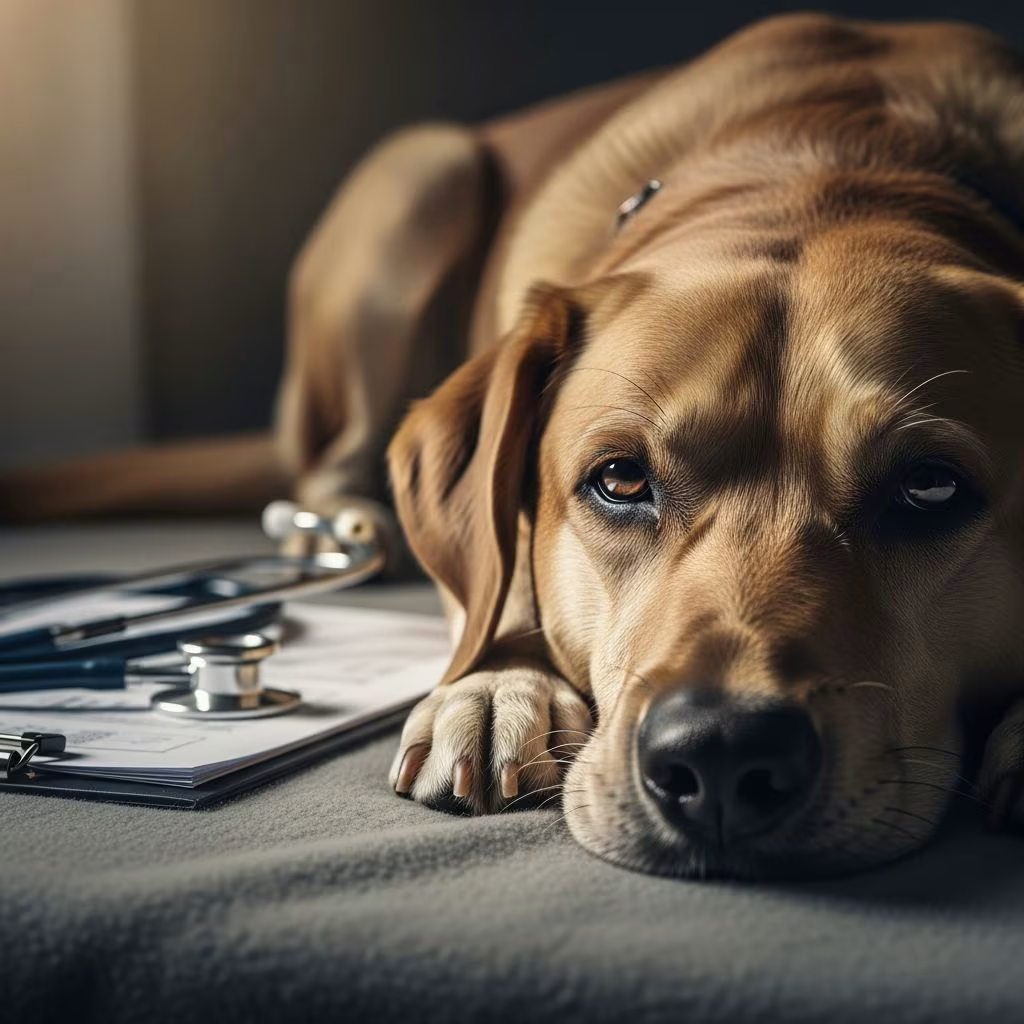
Canine parvovirus, commonly known as parvo, poses a severe threat to dogs, especially unvaccinated puppies. This highly contagious virus targets the gastrointestinal system and immune cells, leading to rapid deterioration if not addressed promptly. Owners must recognize symptoms early to improve survival odds through veterinary intervention.
Understanding the Nature of Canine Parvovirus
Parvovirus is a resilient pathogen that spreads via fecal-oral contact, surviving in environments for months or years. It primarily affects puppies aged 6 weeks to 6 months, though adults can succumb, particularly if immunocompromised. The virus replicates in rapidly dividing cells, causing widespread damage within days of exposure.
Infection occurs through contaminated surfaces, soil, or direct contact with infected animals. Puppies lose maternal antibodies around 6-16 weeks, heightening vulnerability during incomplete vaccination series.
Early Indicators of Parvo Infection
The onset of parvo is insidious, with initial signs mimicking minor ailments. Symptoms emerge 3-7 days post-exposure, starting subtly to allow quick progression if overlooked.
- Lethargy and Depression: Dogs appear unusually tired, withdrawing from play or family interaction. This shift from normal energy levels signals internal distress.
- Loss of Appetite: Refusal to eat, even favorite foods, marks a key early flag. Puppies may ignore meals entirely, leading to rapid weakness.
- Temperature Fluctuations: High fever often develops first, though some dogs experience hypothermia. Abdominal tenderness accompanies these changes.
These precursors demand vigilance, as they escalate within 24-48 hours. Monitoring daily behavior helps distinguish parvo from routine upset.
Progressive Gastrointestinal Distress
As parvo invades the intestinal lining, digestive symptoms intensify, defining the disease’s severity.
- Vomiting: Frequent, forceful episodes begin, often preceding diarrhea. Vomit may contain bile or blood, resisting basic remedies.
- Diarrhea Characteristics: Stools turn watery, mucus-laden, and hemorrhagic—dark, bloody, with a uniquely foul odor. This ‘parvo poop’ is unmistakable and accelerates dehydration.
- Abdominal Pain: Dogs hunch, cry on palpation, or guard their belly, indicating inflammation and cell death in the gut.
This phase, peaking 48-72 hours in, causes massive fluid loss, dropping blood pressure and organ perfusion.
Advanced and Life-Threatening Stages
Untreated, parvo advances to systemic collapse, with survival hanging by hours.
| Stage | Symptoms | Complications |
|---|---|---|
| Severe Dehydration | Sunken eyes, inelastic skin, rapid heart rate | Electrolyte imbalance, shock |
| Systemic Failure | Collapse, hypothermia, hypoglycemia | Low WBC count, secondary infections |
| Critical Collapse | Inability to stand, labored breathing | Organ damage, death within 72 hours |
White blood cell counts plummet, crippling immunity. Puppies face highest mortality, up to 90% without care.
Differentiating Parvo from Similar Conditions
Parvo mimics other illnesses, complicating home assessment.
- Vs. Distemper: Distemper involves respiratory signs (coughing, discharge) and neurological issues (seizures), absent in parvo.
- Vs. Poisoning: Poisoned dogs retain normal/high WBC; parvo causes leukopenia. Timeline aids distinction.
- Vs. Parasites/Worms: Less explosive diarrhea, no fever spike typical.
Veterinary tests, like fecal antigen snaps, confirm via viral proteins, with bloodwork revealing leukopenia.
Risk Factors and Vulnerable Populations
Certain dogs face elevated danger.
- Age: 6 weeks-6 months prime window due to waning maternal immunity.
- Vaccination Status: Unvaccinated or partially vaccinated pups at highest risk.
- Environment: Shelters, parks, kennels amplify exposure.
- Breeds: Rottweilers, Dobermans show genetic susceptibility.
Adults rarely show signs but can shed virus, spreading silently.
Immediate Response Protocols
Suspected parvo warrants urgent action.
- Isolate the dog to prevent spread.
- Contact vet immediately—do not wait.
- Avoid home remedies; transport safely.
- Clean premises with bleach (1:30 dilution), as virus resists standard disinfectants.
Treatment is supportive: IV fluids, antiemetics, antibiotics for secondary bacteria. Hospitalization yields 80-90% survival with prompt care.
Prevention: The Ultimate Defense
Vaccination forms the cornerstone, starting at 6-8 weeks with boosters every 3-4 weeks until 16-20 weeks.
- Core Vaccines: DHPP series covers parvo.
- Hygiene: Limit puppy exposure until fully vaccinated; sanitize environments.
- Annual Boosters: Maintain lifelong protection.
No cure exists—prevention averts tragedy.
Frequently Asked Questions
What are the very first signs of parvo in a puppy?
Lethargy, appetite loss, and fever precede vomiting/diarrhea.
Can vaccinated dogs get parvo?
Rarely, but possible if incompletely vaccinated or exposed to high viral loads.
How long does parvo take to show symptoms?
3-7 days post-infection, progressing rapidly thereafter.
Is parvo fatal?
Up to 90% in untreated puppies, but drops to 10-20% with aggressive treatment.
How contagious is parvo?
Extremely; survives years in soil, spreads via feces.
Long-Term Recovery and Monitoring
Survivors regain strength in 5-10 days but require follow-up. Monitor for relapse, complete vaccines, and avoid high-risk areas initially. Immunity post-infection is lifelong, but vaccination remains essential for prevention.
Parvo’s toll underscores proactive care. By mastering symptom recognition, owners safeguard their companions effectively.
References
- Canine Parvovirus | Cornell University College of Veterinary Medicine — Cornell University. 2023. https://www.vet.cornell.edu/departments-centers-and-institutes/baker-institute-animal-health/research-baker-institute/canine-parvovirus
- Canine Parvovirus Infection (Parvoviral Enteritis in Dogs) — Merck Veterinary Manual. 2024. https://www.merckvetmanual.com/digestive-system/infectious-diseases-of-the-gastrointestinal-tract-in-small-animals/canine-parvovirus-infection-parvoviral-enteritis-in-dogs
- Causes, Symptoms, and Treatment for Canine Parvovirus – PetMD — PetMD. 2024. https://www.petmd.com/dog/conditions/infectious-parasitic/parvo-in-dogs
- How to Spot Parvo Virus Symptoms in Dogs? A Vet-Backed Guide — SuperTails. 2024. https://supertails.com/blogs/healthcare/what-are-the-symptoms-for-parvovirus-in-dogs-a-complete-guide-to-understanding-and-identifying-the-signs
- What Are The Stages Of Parvo In Dogs? – Phoenix Veterinary Center — Phoenix Veterinary Center. 2024. https://phoenixvetcenter.com/blog/1065164-what-are-the-stages-of-parvo-in-dogs



