Recognizing Heartworm Disease in Dogs
Learn the warning signs of heartworm infection and protect your canine companion
Recognizing Heartworm Disease in Dogs: A Comprehensive Guide to Detection and Diagnosis
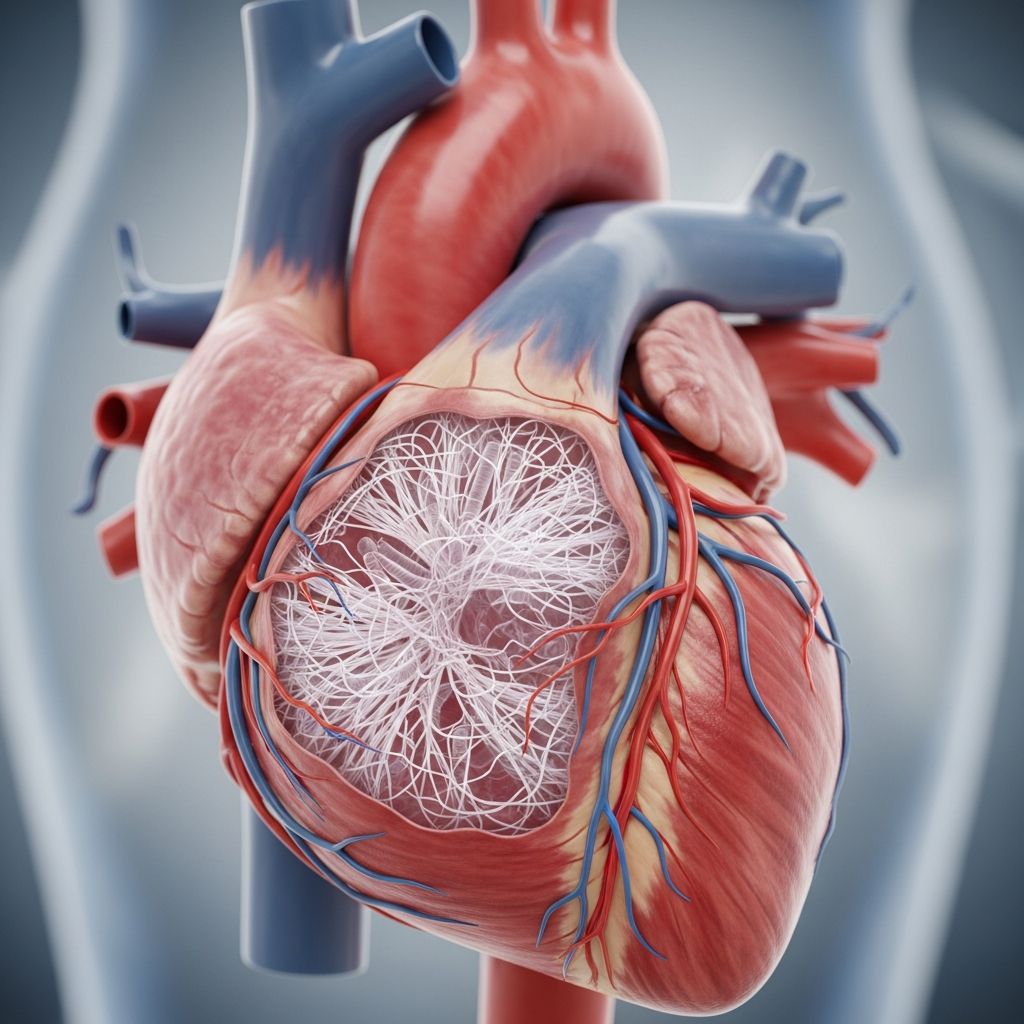
Heartworm disease represents one of the most serious parasitic infections affecting domestic dogs across North America and beyond. This potentially fatal condition develops when microscopic larvae transmitted through mosquito bites mature into adult worms that lodge in the heart, lungs, and pulmonary blood vessels. Early recognition of the clinical manifestations associated with this disease can make the difference between successful treatment and permanent organ damage or death. Understanding what to watch for in your dog’s behavior and physical condition is therefore an essential component of responsible pet ownership.
The Progressive Nature of Heartworm Infection
Heartworm disease does not develop overnight. When an infected mosquito bites a dog, the parasitic larvae enter the bloodstream and begin a gradual journey toward maturity. This developmental process takes approximately 6 to 7 months before the larvae fully mature into adult heartworms, which is why a dog may harbor the infection without showing any visible signs during the early stages. Understanding this timeline is crucial for dog owners who suspect exposure, as standard diagnostic tests may not detect infection immediately after a mosquito bite.
The progression of heartworm disease typically follows distinct stages, with clinical signs becoming increasingly apparent as the parasite burden grows and the worms establish themselves within the cardiovascular system. Dogs at different disease stages will exhibit varying symptom severity, which influences both treatment approaches and prognosis.
Early-Stage Indicators: When Symptoms Are Subtle
During the initial phases of infection, many dogs display no noticeable symptoms at all. However, as the larvae develop and multiply, certain subtle signs may emerge that warrant veterinary attention. These early indicators are often overlooked by owners who might attribute them to normal aging or temporary fatigue.
A mild, persistent dry cough[10] frequently represents the first observable sign of advancing heartworm infection. This cough may seem innocuous at first, appearing occasionally during activity or upon waking. Unlike a cough associated with kennel cough or allergies, a heartworm-related cough typically worsens with exercise and may be accompanied by a reluctance to engage in physical activity.
Dogs in early-stage heartworm disease often display decreased exercise tolerance and lethargy. What previously energized your dog—a walk around the neighborhood or a game of fetch—may now result in apparent exhaustion. Your pet might refuse to participate in activities they once enjoyed or become winded more quickly than before. This fatigue extends beyond normal tiredness, as affected dogs may struggle to recover even after minimal exertion.
Additionally, dogs with developing heartworm infections frequently demonstrate reluctance to engage in exercise and unusual fatigue after normal play. Some owners notice their previously active companions becoming less enthusiastic about outdoor activities or showing signs of breathlessness during play sessions.
Intermediate-Stage Manifestations: Progressive Deterioration
As the worm population increases and establishes a more substantial presence within the cardiovascular system, symptoms become more pronounced. At this stage, the parasites begin causing measurable inflammation and damage to the heart and lung tissue.
The cough observed in earlier stages typically intensifies, becoming more frequent and pronounced. Dogs may experience labored breathing and difficulty breathing, particularly following exertion. Some dogs develop a characteristic rattling or wheezing sound when breathing, indicating fluid accumulation or inflammation in the airways.
Excessive panting represents another hallmark of intermediate-stage infection. This panting differs from normal thermoregulation; instead, it reflects the heart’s increased workload as it attempts to pump blood effectively despite parasitic obstruction. The dog’s respiratory effort becomes visibly strained even at rest.
Weight loss frequently accompanies these respiratory changes. Dogs may show noticeable weight loss as their body struggles to maintain function under the stress of infection. This weight decline occurs despite normal or increased food intake, as the immune system diverts significant energy toward fighting the parasitic infection.
Advanced-Stage Complications: Systemic Effects
Without intervention, heartworm disease progresses to severe stages where multiple organ systems become compromised. At this point, dogs may display dramatic physical changes and behavioral shifts.
Blue or purplish discoloration of the skin, known as cyanosis, indicates inadequate oxygen distribution throughout the body. This sign suggests the lungs and heart can no longer maintain proper oxygenation of the blood. Similarly, some dogs develop generalized pallor, with their gums and mucous membranes appearing abnormally pale.
Failure to grow in younger dogs represents another serious indicator. Puppies and young dogs with heartworm infection may fall behind developmental milestones, remaining smaller than littermates or age-matched peers. This stunted growth reflects the tremendous metabolic demands placed upon developing bodies already burdened by parasitic infection.
In severe cases, dogs may experience right-sided heart failure, a life-threatening complication where the right heart chamber becomes dilated and loses its ability to pump blood effectively. This condition can lead to fluid accumulation in the abdomen, further compromising organ function.
Special Considerations: Breed and Age Factors
While heartworm disease can affect any dog regardless of age, size, or breed, certain populations appear more vulnerable to severe complications. Older dogs and those with pre-existing cardiac conditions may deteriorate more rapidly when infected. Small breeds sometimes exhibit more pronounced symptoms despite lower worm burdens, as their cardiovascular systems have less reserve capacity.
Athletic and working breeds may show exercise intolerance earlier in the disease process, as their typically higher activity levels push a compromised cardiovascular system to its limits. Gun dogs, herding breeds, and other active companions often demonstrate clear performance decline when even moderate heartworm infection develops.
Understanding Diagnostic Windows and False Negatives
A critical aspect of recognizing heartworm disease involves understanding when diagnostic tests become positive. Standard heartworm tests detect antigens produced by mature female worms or microfilariae (young larvae) circulating in the bloodstream. Since full maturation requires 6 to 7 months, a dog infected within the previous 6 months may test negative despite harboring developing parasites.
This diagnostic window presents a diagnostic challenge, particularly for dogs recently moved to heartworm-endemic regions or those with unknown exposure history. A negative test result does not guarantee a dog is heartworm-free; it may simply indicate infection is too recent for detection. Veterinarians typically recommend re-testing 6 to 8 weeks after initial exposure to confirm the dog’s status.
When to Seek Immediate Veterinary Attention
Certain signs warrant emergency veterinary evaluation rather than waiting for a scheduled appointment. Severe respiratory distress, fainting or syncope episodes, sudden collapse, or the development of abdominal fluid accumulation all require immediate professional intervention. Additionally, if your dog shows signs of thromboembolic complications—such as sudden paralysis of the hind legs, acute pain, or shock—emergency treatment is essential.
In extreme cases involving high worm burdens, surgical removal of adult worms from the right heart and pulmonary artery may become necessary. This procedure, while invasive, can be lifesaving when parasitic burden reaches levels incompatible with survival through standard medical treatment.
Behavioral Changes Associated with Heartworm Infection
Beyond physical symptoms, dogs with heartworm disease often display behavioral alterations reflecting their declining physical condition. These may include increased irritability, decreased interest in social interaction, or changes in sleeping patterns. Some dogs become clingy or anxious, possibly reflecting discomfort or shortness of breath.
Loss of appetite sometimes accompanies progressive infection, though this sign often emerges only in advanced stages. Dogs may also become less responsive to commands or appear mentally dull, potentially resulting from reduced oxygen delivery to the brain.
Geographic Risk Factors and Seasonal Considerations
Heartworm prevalence varies dramatically by geographic location. In regions with warm, humid climates such as South Florida, mosquitoes thrive almost year-round, making heartworm transmission possible during every month. In northern regions, heartworm transmission occurs primarily during warmer months, with peak risk typically during late summer and fall.
Understanding your local heartworm prevalence helps contextualize your dog’s risk profile. Dogs living in endemic areas require year-round prevention, while those in seasonal transmission zones may reduce preventive medication during winter months, though many veterinarians recommend continuous coverage for simplicity and consistency.
The Critical Importance of Prevention
Recognizing heartworm symptoms, while important, should never substitute for comprehensive prevention. Prevention is substantially more effective, safer, and more economical than treating established infections. Multiple prescription heartworm preventive medications are available, each offering different active ingredients and application methods.
Monthly preventive medications work by killing larval stages before they can mature into disease-causing adults. These preventives are far more effective than attempting to manage an established infection, which requires intensive treatment protocols, significant expense, and carries meaningful risks of treatment-related complications.
FAQ Section
Frequently Asked Questions About Heartworm Symptoms
How quickly do symptoms develop after a mosquito bite?
Symptoms typically do not appear until months after initial infection. Since larvae require 6 to 7 months to mature into disease-causing adults, clinical signs usually emerge gradually throughout the first year of infection. Early-stage infections may produce no observable symptoms at all.
Can a dog with heartworm disease appear completely normal?
Yes, particularly during early infection stages. A dog may harbor active heartworm infection yet show no clinical signs, making preventive measures and periodic screening essential for dogs in endemic areas.
What does a heartworm-related cough sound like?
Heartworm coughs are typically dry and persistent, often worsening with exercise. They differ from wet, productive coughs associated with respiratory infections or kennel cough.
Is lethargy always a sign of heartworm disease?
No, lethargy can result from many conditions. However, progressive lethargy combined with other signs—particularly coughing, exercise intolerance, or labored breathing—warrants veterinary evaluation for heartworm and other cardiac conditions.
Can weight loss from heartworm be reversed?
Yes, successful treatment typically allows gradual weight recovery as the heart and lungs function more effectively and the parasitic burden diminishes.
Conclusion: Vigilance and Prevention
Recognizing heartworm disease symptoms empowers dog owners to seek timely veterinary care when infection occurs. However, the most effective approach to this serious disease remains prevention through consistent use of prescription heartworm preventive medications. Dogs showing any combination of persistent coughing, exercise intolerance, lethargy, labored breathing, or weight loss warrant prompt veterinary evaluation, including heartworm testing. By maintaining prevention protocols and staying alert to early warning signs, you give your canine companion the best opportunity for long-term health and happiness.
References
- Heartworm Disease in Dogs: Symptoms, Causes and Treatment — PetMD. 2025. https://www.petmd.com/dog/conditions/infectious-parasitic/heartworm-disease-in-dogs
- Heartworm Disease — Cornell University College of Veterinary Medicine, Riney Canine Health Center. 2025. https://www.vet.cornell.edu/departments-centers-and-institutes/riney-canine-health-center/canine-health-information/heartworm-disease
- Heartworm Disease in Dogs — Merck Veterinary Manual. 2025. https://www.merckvetmanual.com/dog-owners/heart-and-blood-vessel-disorders-of-dogs/heartworm-disease-in-dogs
- The Facts about Heartworm Disease — U.S. Food and Drug Administration. 2025. https://www.fda.gov/animal-veterinary/animal-health-literacy/keep-worms-out-your-pets-heart-facts-about-heartworm-disease
- Heartworm Positive Dogs — American Heartworm Society. 2025. https://www.heartwormsociety.org/heartworm-positive-dogs
- Identifying Early Signs of Heartworm Disease in Dogs and Cats — Garbizo Animal Clinic. 2025. https://www.garbizoanimalclinic.com/blog/identifying-early-signs-of-heartworm-disease-in-dogs-and-cats
Similar Articles






Read full bio of medha deb