

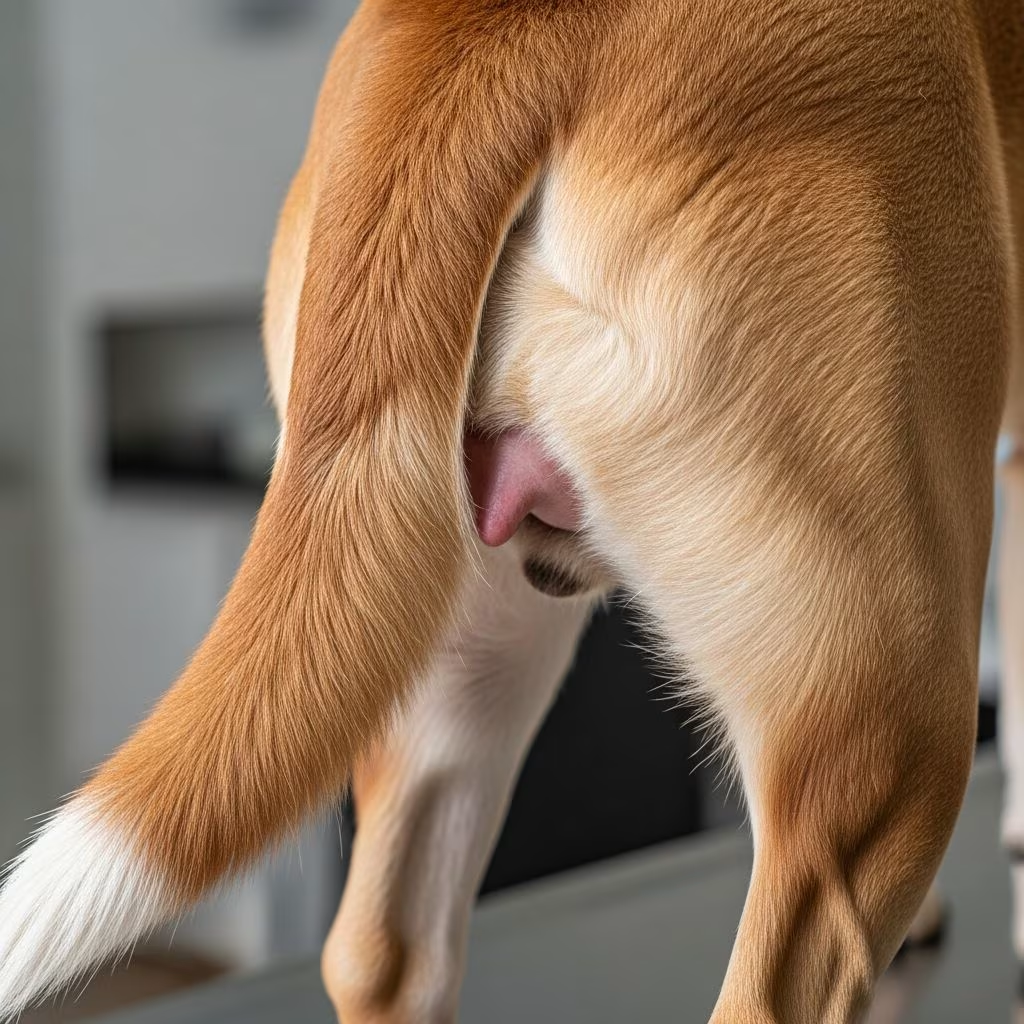
A recessed vulva, sometimes called a hypoplastic or juvenile vulva, is a conformational abnormality in female dogs where the vulva is positioned deeper within the surrounding skin folds, making it less prominent. This condition can lead to moisture accumulation, fostering bacterial growth and secondary complications. While not always problematic, it often requires intervention to prevent chronic issues.
Understanding the Anatomy and Development
The vulva serves as the external opening of the reproductive and urinary tracts in female dogs. In a typical conformation, it protrudes slightly between the hind legs for easy drainage of urine and vaginal secretions. When recessed, excess perivulvar skin folds partially or fully obscure it, creating a moist environment ideal for pathogens. This anomaly is more noticeable in immature dogs but may persist or worsen with age, particularly if obesity adds extra fat deposits.
Developmentally, the vulva enlarges during heat cycles, which might temporarily improve visibility in mild cases. However, in affected dogs, the underlying structure remains hidden, perpetuating risks. Breeds like Golden Retrievers and German Shepherds appear predisposed, though any breed can be impacted.
Common Clinical Manifestations
Dogs with recessed vulva often remain asymptomatic initially, but secondary problems emerge over time. Key signs include:
- Redness, inflammation, or dermatitis around the vulvar area due to trapped moisture.
- Frequent urinary tract infections (UTIs) from bacterial ascension.
- Urinary incontinence, especially post-exercise or at rest.
- Excessive licking, scooting, or dragging the hindquarters on surfaces.
- Malodor from bacterial overgrowth or vaginitis.
- Straining to urinate (pollakiuria), bloody urine (hematuria), or increased thirst and urination frequency.
Perivulvar dermatitis affects about 59% of cases, while UTIs and incontinence each occur in roughly 56%. Vaginitis and external irritation are also prevalent, as debris and urine pool in the folds.
Factors Contributing to the Condition
Obesity is a primary exacerbating factor, as excess weight increases skin folds that hood the vulva. Hormonal influences during growth may play a role, with some dogs improving naturally after maturity. Genetic predisposition in certain breeds suggests heritability, though exact causes remain multifactorial. Unlike true juvenile vulva, which resolves with age, recessed forms persist without correction.
| Factor | Impact | Prevalence Insight |
|---|---|---|
| Obesity | Worsens skin folding | Common in large breeds |
| Breed Predisposition | Higher incidence | e.g., Retrievers, Shepherds |
| Age | Often juvenile onset | Persistent in adults |
| Hormonal Changes | Temporary improvement | During estrus cycles |
Diagnostic Approaches
Veterinarians diagnose recessed vulva via physical examination, noting the vulva’s position relative to the anus and skin folds. Obvious hiding within folds confirms the issue. For secondary infections:
- Urinalysis detects bacteria, white blood cells, or crystals in UTIs.
- Skin scrapings or cytology identify dermatitis pathogens.
- Culture and sensitivity tests guide antibiotic choice for recurrent cases.
Imaging like ultrasound may rule out other urinary issues, but it’s rarely needed. Early detection during routine checkups prevents escalation.
Non-Surgical Management Strategies
Mild cases respond to conservative care, focusing on hygiene and weight control. Daily cleaning with medicated wipes, gentle shampoos, or drying agents removes debris and reduces moisture. Topical antimicrobials or steroid ointments soothe dermatitis. Weight loss through diet and exercise lifts folds, improving exposure.
Owners should:
- Gently cleanse the area post-urination or defecation.
- Monitor during heat cycles for natural protrusion.
- Use e-collars to prevent licking if irritation persists.
Though effective short-term, these methods often fail long-term without addressing conformation.
Surgical Correction: Vulvoplasty Explained
For severe, recurrent issues, vulvoplasty (episioplasty) is the definitive treatment. This procedure excises excess skin between the anus and vulva, everting the vulva for prominence. Performed under general anesthesia, it’s straightforward with low complication rates.
Outcomes: 82% of owners report satisfactory results. UTIs, vaginitis, and irritation decrease markedly, though incontinence may linger due to multifactorial causes. Antibiotics pre- and post-op prevent infection; recovery takes 2 weeks with restricted activity.
Candidates include dogs with refractory infections despite medical therapy or incontinence linked to pooling urine.
Post-Treatment Care and Monitoring
After surgery, suture lines heal in 10-14 days. Key care:
- Prevent licking with cones or suits.
- Administer prescribed medications.
- Avoid stairs or rough play initially.
Follow-up exams confirm success. Long-term, maintain ideal weight to sustain benefits.
Prevention Tips for Pet Owners
Proactive measures reduce risks:
- Spay before first heat if not breeding, potentially mitigating severity.
- Regular vet visits for conformational checks.
- Balanced diet to prevent obesity.
- Hygiene routines, especially in breeds prone to skin folds.
Early intervention during puppyhood maximizes non-surgical success.
Potential Complications if Untreated
Chronic untreated recessed vulva leads to antibiotic-resistant bacteria, kidney infections from ascending UTIs, and persistent discomfort. Incontinence may worsen quality of life, causing household accidents. Rarely, severe vaginitis impacts fertility.
Frequently Asked Questions (FAQs)
Is recessed vulva painful for my dog?
Not inherently, but secondary infections cause itching, burning, and discomfort, leading to behavioral changes like scooting.
Can my dog outgrow it?
Some mild juvenile cases improve with maturity or heat cycles, but true recessed vulva often requires intervention.
How much does vulvoplasty cost?
Varies by location and clinic; consult your vet for estimates, typically including pre-op tests and recovery care.
Are there breed-specific risks?
Yes, larger breeds with heavy coats or fat deposits like Labs and Shepherds face higher odds.
Does spaying cure recessed vulva?
No, it prevents pregnancy-related issues but doesn’t alter conformation; surgery addresses the structure.
Long-Term Prognosis and Owner Insights
With appropriate management, most dogs thrive. Surgery boasts high satisfaction, transforming lives by curbing infections. Owners report reduced vet visits and happier pets. Collaborate with vets for tailored plans, emphasizing holistic care.
References
- Results of vulvoplasty for treatment of recessed vulva in dogs — PubMed/University of Wisconsin. 2002-01-15. https://pubmed.ncbi.nlm.nih.gov/11804321/
- Recessed Vulva in Dogs – Merck Veterinary Manual — Merck & Co. 2023 (updated). https://www.merckvetmanual.com/reproductive-system/reproductive-diseases-of-the-female-small-animal/recessed-vulva-in-dogs
- Recessed Vulva in Dogs: Signs, Symptoms, Treatment — American Kennel Club. 2023-05-12. https://www.akc.org/expert-advice/health/recessed-vulva-in-dogs/
- Hypoplastic (Recessed) Vulva in Dogs — Embrace Pet Insurance. 2024 (updated). https://www.embracepetinsurance.com/health/hypoplastic-(recessed)-vulva
- Recessed Vulva in Dogs — PetMD. 2024-02-10. https://www.petmd.com/dog/conditions/reproductive/recessed-vulva-dogs



