

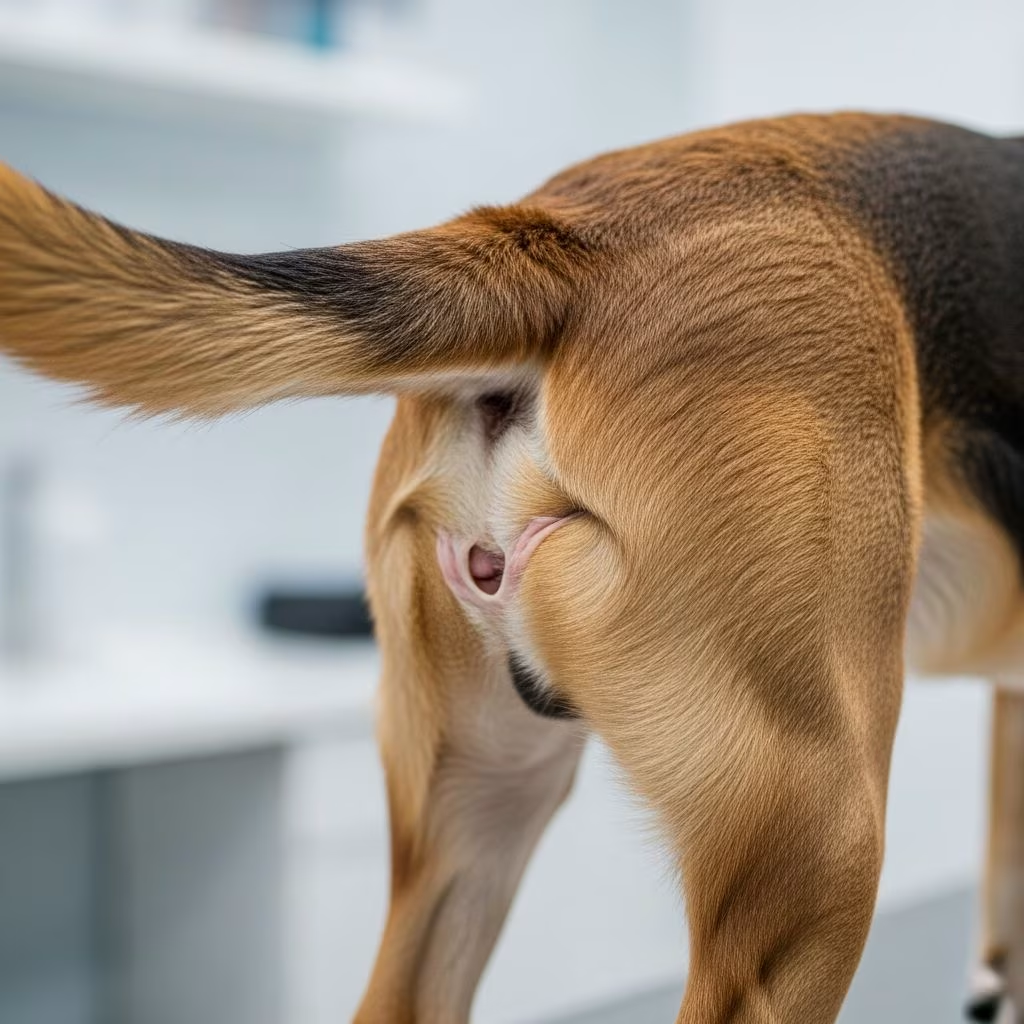
Understanding Recessed Vulva in Dogs
A recessed vulva, also known as a hooded or inverted vulva, is a common anatomical condition in female dogs where the external genitalia is partially or completely hidden by excess skin folds. Rather than sitting visibly between the hind legs as it normally should, the vulva in affected dogs appears sunken or obscured beneath surrounding tissue. While this condition itself is not inherently dangerous, it creates an environment that predisposes dogs to various health complications that require careful management and monitoring.
What is the Significance of a Recessed Vulva?
The primary concern with a recessed vulva is its tendency to trap moisture and create an ideal breeding ground for bacterial growth. When a dog with this condition urinates, the excess skin folds surrounding the vulva trap moisture underneath, and combined with the dog’s body heat, this creates a warm, dark, and moist environment. Such conditions are perfect for bacteria to flourish and multiply rapidly.
These bacteria can affect the skin in multiple ways. They may cause perivulvar dermatitis (infection of the skin folds around the vulva), migrate into the vagina leading to vaginitis, or travel up the urinary tract causing urinary tract infections or bladder infections. A recessed vulva can predispose a dog to vaginitis and/or urinary tract infections, making this condition something that requires attention and management.
The accumulation of skin debris, combined with poor air circulation and the absence of light in the folded areas, creates what specialists describe as an ideal pathogenic environment. This is why dogs with recessed vulvas are significantly more prone to secondary infections than their counterparts with normal vulvar anatomy.
Clinical Signs of a Recessed Vulva
Many dogs with recessed vulvas remain asymptomatic for extended periods. However, when clinical signs do develop, they typically relate to inflammation and bacterial infections within the skin folds. Pet owners should be aware of the following indicators:
Skin Fold Inflammation Symptoms
Dogs affected by inflammation in the vulvar area may exhibit scooting behavior, where they drag their vulva across the floor to relieve itching and discomfort. Excessive licking at the vulva is another common sign, as dogs attempt to manage the irritation. In many cases, owners notice a foul odor emanating from the vulvar region, which is typically associated with bacterial or yeast infections in the area.
Redness and visible inflammation around the vulva may also be present, indicating active dermatitis or vaginitis. The skin in this area may appear irritated, swollen, or discharged.
Urinary Tract Infection Symptoms
When bacteria migrate up the urinary tract, dogs may experience urinary tract infections with the following signs:
- Urinary accidents in previously housetrained dogs
- Straining to urinate or difficulty emptying the bladder
- Visible blood in the urine (hematuria)
- Foul odor to the urine
- Increased frequency of urination (polyuria)
- Increased thirst (polydipsia)
Urinary Incontinence
Some affected dogs develop urinary incontinence, leaking small or large amounts of urine when they sleep or rest. This symptom can occur either in addition to other signs or as the sole clinical manifestation of the condition.
Diagnosis of Recessed Vulva
Diagnosing a recessed vulva is typically straightforward and can be accomplished during a routine physical examination by a veterinarian. The veterinarian will visually inspect the vulvar area and identify the characteristic sunken or hooded appearance that distinguishes this condition.
If the veterinarian suspects a secondary urinary tract infection, a urinalysis will be performed. This diagnostic test involves examining a urine sample under a microscope to detect the presence of bacteria, white blood cells, or crystals that indicate infection. This additional testing helps determine the appropriate treatment approach and ensures that all complications are addressed.
Treatment Options for Recessed Vulva
There are two primary treatment approaches for managing recessed vulva in dogs, with the choice depending on the severity of symptoms and the dog’s overall health status.
Medical Management
For dogs with mild symptoms or those not yet showing signs of infection, medical management may be sufficient to control the condition and prevent secondary complications. This conservative approach focuses on maintaining cleanliness and preventing bacterial overgrowth in the affected area.
Topical Treatments: Veterinarians often recommend medicated shampoos or antimicrobial wipes for daily or regular use to keep the vulvar area clean and reduce bacterial colonization. Daily cleaning with gentle soap is essential, and thorough drying of the area after washing is critical to prevent moisture accumulation. Some veterinarians may prescribe topical ointments, possibly containing steroids, to reduce inflammation and provide comfort.
Weight Management: In overweight dogs, weight loss can be significantly beneficial by decreasing the size of the fat and skin folds surrounding the vulva. This reduction in excess tissue naturally decreases the severity of the condition and reduces the likelihood of moisture trapping and bacterial growth. Weight management should be implemented under veterinary guidance to ensure proper nutrition and healthy weight loss rates.
Infection Treatment: If skin infections or urinary tract infections develop despite preventive measures, oral antibiotics or anti-fungal medications may be prescribed to treat the infection. Depending on the severity, veterinarians may recommend anti-inflammatory medications to reduce tissue inflammation and associated discomfort.
Surgical Management
When medical management proves insufficient or infections become recurrent, surgical intervention becomes the recommended treatment approach. The surgical procedure, called vulvoplasty or episioplasty, is designed to permanently correct the anatomical defect.
The Procedure: During vulvoplasty, a veterinary surgeon removes excess skin folds from the area between the anus and vulva, thereby exposing the vulva normally. This relatively straightforward procedure has a high success rate and is considered the treatment of choice for severe cases of recessed vulva with excessive perivulvar skin folds.
Pre- and Post-Surgical Care: If a dog requires surgery, the veterinarian will likely prescribe antibiotics both before and after the operation to prevent infection and ensure proper healing. After approximately two weeks of rest and restricted activity, most dogs return to normal function. If the dog is due for spaying, vulvoplasty can often be performed simultaneously with the spay procedure to minimize anesthesia exposure.
When Surgery is Necessary: Vets typically recommend surgery for dogs with severe or recurrent skin infections that don’t respond to topical treatments, or for those experiencing recurring urinary tract infections. Additionally, if bacteria in recurring UTIs become resistant to antibiotics, surgery becomes increasingly important to prevent the infection from migrating to the kidneys, which could result in more serious health complications.
Prevention and Management Strategies
While some cases of recessed vulva are congenital and cannot be prevented, certain strategies can help minimize the risk of complications:
- Maintain Healthy Weight: Keeping your dog at an ideal body weight is the most effective preventive measure, as excess fat reduces the size of surrounding skin folds
- Regular Veterinary Checkups: Routine wellness visits allow early detection of any developing infections or complications
- Good Hygiene Practices: Regular gentle cleaning of the area helps prevent bacterial overgrowth and infection
- Prompt Treatment: Address any signs of infection immediately to prevent progression to more serious complications
Frequently Asked Questions
Q: Is surgery always necessary for recessed vulva?
A: No, not all cases require surgery. If the condition is mild and well-managed with regular cleaning, topical treatments, and weight management when applicable, surgery may not be necessary. However, surgery is usually recommended for severe cases or when infections become recurrent and don’t respond to medical management.
Q: Can a puppy with a recessed vulva be spayed at the same time as vulvoplasty?
A: Yes, if a dog is diagnosed with a recessed vulva and needs to be spayed, vulvoplasty can be performed during the same surgical procedure, minimizing anesthesia exposure and recovery time.
Q: How do I prevent my dog from developing a recessed vulva?
A: Since recessed vulva can be a congenital condition, complete prevention may not be possible. However, maintaining a healthy weight is the best preventive measure for complications. Additionally, regular veterinary checkups and good hygiene practices can help catch any issues early before they become serious.
Q: What should I do if I notice symptoms of a recessed vulva in my dog?
A: If you notice scooting, excessive licking, foul odor, or signs of urinary tract infection, contact your veterinarian promptly. Early diagnosis and treatment can prevent the development of secondary infections and complications.
Q: How long is the recovery period after vulvoplasty surgery?
A: Most dogs recover within approximately two weeks and can return to normal activities and exercise after this rest period. Your veterinarian will provide specific post-operative care instructions to ensure proper healing.
Q: Can yeast infections develop in a recessed vulva?
A: Yes, yeast infections are more common in dogs with hooded vulvas due to the moist environment that encourages yeast growth. This is why both anti-bacterial and anti-fungal treatments may be recommended.
Conclusion
A recessed vulva in dogs is a manageable condition that, while requiring attention and monitoring, does not necessarily warrant immediate intervention if the dog remains asymptomatic. However, pet owners should remain vigilant for signs of secondary infections and maintain regular veterinary care. With appropriate medical management including hygiene protocols and weight control, many dogs can live comfortably without surgical intervention. For those experiencing recurrent infections or severe complications, vulvoplasty offers a highly effective surgical solution that provides lasting relief. The key to successful management is early detection, consistent preventive care, and prompt treatment of any infections that develop.
References
- Recessed Vulva — VCA Animal Hospitals. https://vcahospitals.com/know-your-pet/recessed-vulva
- Recessed Vulva in Dogs: Causes, Symptoms, and Treatment — American Kennel Club (AKC). https://www.akc.org/expert-advice/health/recessed-vulva-in-dogs/
- Recessed Vulva in Dogs — PetMD. https://www.petmd.com/dog/conditions/reproductive/recessed-vulva-dogs
- Hypoplastic (Recessed) Vulva in Dogs — Embrace Pet Insurance. https://www.embracepetinsurance.com/health/hypoplastic-recessed-vulva
- Recessed Vulva in Dogs: Causes & Care — Supertails. https://supertails.com/blogs/allergiesillnessinjury/recessed-vulva-in-dogs-signs-symptoms-and-treatment-for-concerned-pet-owners
- Hypoplastic (Recessed) Vulva in Dogs – Symptoms, Causes, and Treatment — Wag!. https://wagwalking.com/condition/hypoplastic-recessed-vulva



