

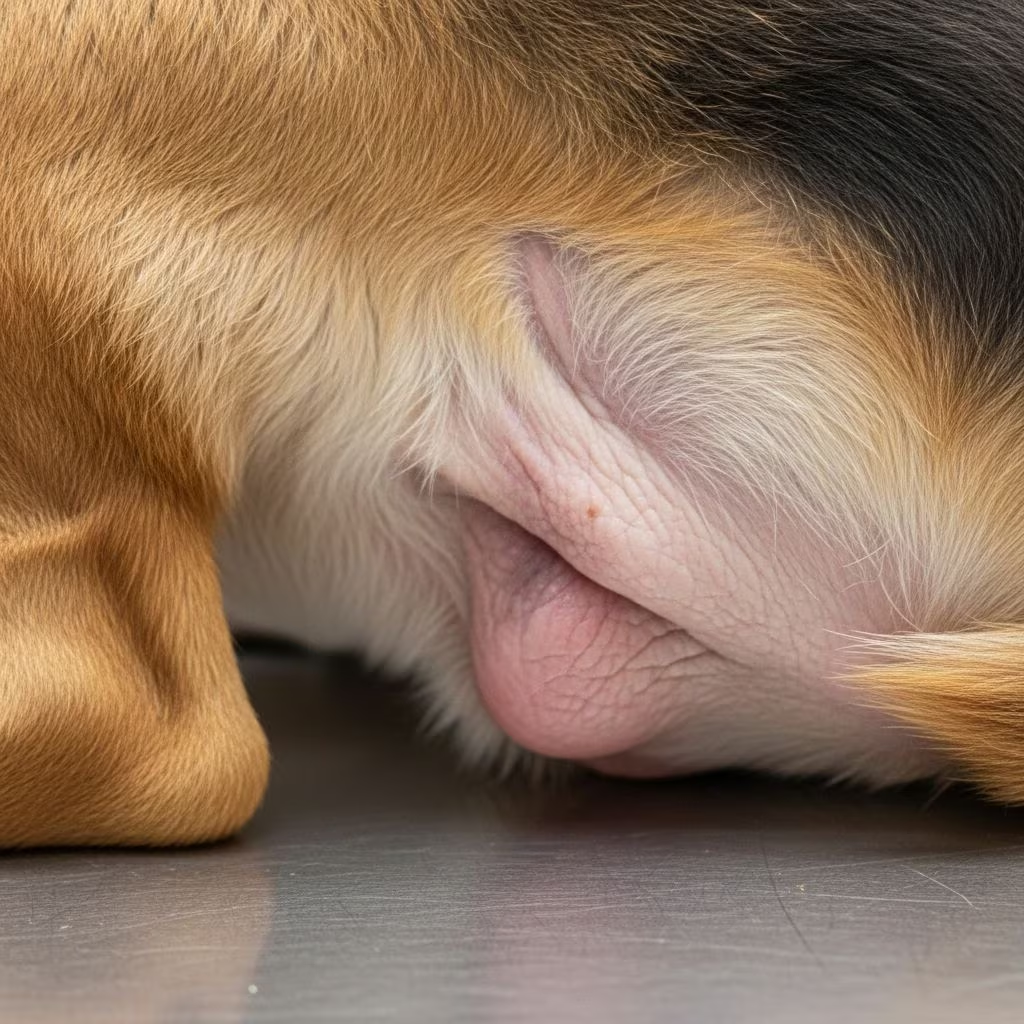
Understanding Recessed Vulva in Dogs
A recessed vulva, also known as a hooded vulva or inverted vulva, is a common anatomical condition in female dogs where extra skin folds surround and overlap the vulva, causing it to appear sunken or partially hidden. Instead of sitting visibly between a dog’s hind legs as it normally should, the vulva becomes tucked inward due to these excess skin folds. While the condition itself is primarily structural, it creates an environment that can lead to serious health complications if left unaddressed.
This condition occurs when there is excessive tissue surrounding the vulval area, which can trap moisture and create an ideal breeding ground for bacteria and yeast. Understanding the significance of this condition, recognizing its clinical signs, and knowing the available treatment options can help dog owners maintain their pet’s health and comfort.
The Significance of a Recessed Vulva
A recessed vulva can significantly predispose a dog to vaginitis and urinary tract infections, making it more than just a cosmetic concern. The skin folds surrounding the vulva trap moisture when the dog urinates, and when combined with the dog’s body heat, this environment becomes exceptionally favorable for bacterial growth. The warm, moist, dark conditions create what is essentially an incubator for harmful microorganisms.
Once bacteria begin colonizing these skin folds, they can spread in multiple directions, causing various complications:
- Perivulvar dermatitis: affecting the skin folds around the vulva
- Vaginitis: when bacteria migrate into the vagina itself
- Urinary tract infections: when bacteria migrate up the urinary tract and into the bladder
The severity of complications depends on factors such as the degree of skin folding, the dog’s overall hygiene, weight status, and immune function. Overweight dogs may experience worse symptoms due to increased skin folds and moisture retention.
Clinical Signs of a Recessed Vulva
Dogs with recessed vulvas often display observable behavioral changes and physical symptoms. These clinical signs are typically related to inflammation and infection within the skin folds surrounding the vulva, though not all dogs with this condition will show symptoms immediately.
Behavioral Indicators
Affected dogs frequently exhibit specific behaviors that indicate discomfort or irritation:
- Scooting (dragging their vulva across the floor to relieve itching)
- Excessive licking at their vulva
- Frequent attempts to groom the genital area
Physical Symptoms
In many cases, owners notice observable physical signs, including:
- A foul odor coming from the vulvar area associated with bacterial infection
- Redness or inflammation around the vulva
- Visible discharge from the vulva
- Skin irritation or rash in the perivulvar region
Urinary Incontinence
One of the more concerning symptoms is urinary incontinence, where affected dogs leak small or large amounts of urine, particularly when they sleep. This occurs because the inflammation and infection can affect the dog’s ability to maintain proper bladder control.
Urinary Tract Infection Symptoms
When a recessed vulva leads to urinary tract infections, additional signs may appear:
- Urinary accidents in previously housetrained dogs
- Straining to urinate with little or no urine output
- Visible blood in the urine
- Foul-smelling urine
- Increased frequency of urination
- Increased water consumption
Diagnosis and Veterinary Assessment
Diagnosing a recessed vulva is straightforward and typically accomplished during a routine physical examination by a veterinarian. The vet will visually inspect the vulvar area to determine if it is recessed or hooded.
If secondary urinary tract infections are suspected, additional diagnostic testing becomes necessary. A urinalysis will be performed on a urine sample to check for:
- Presence of bacteria
- White blood cells indicating infection
- Crystals that may suggest urinary issues
- Blood in the urine
This comprehensive diagnostic approach ensures that veterinarians can identify not only the structural issue but also any accompanying infections that require treatment.
Treatment Options for Recessed Vulva
There are two primary treatment approaches for dogs with recessed vulvas: medical management and surgical intervention. The choice between these options depends on the severity of the condition, the presence of secondary infections, and the dog’s overall health status.
Medical Management
For dogs that are only mildly affected, medical management offers a non-invasive approach to controlling symptoms and preventing secondary infections. This conservative treatment strategy is often the first line of defense.
Topical Treatments: Medicated shampoos and wipes are the primary tools in medical management. These products help keep the area clean, reduce bacterial and fungal populations, and prevent infection. Daily cleaning with gentle soap is recommended, followed by thorough drying of the area.
Weight Management: Weight loss in overweight dogs can be particularly beneficial by decreasing the size of fat and skin folds surrounding the vulva. This reduces the area available for moisture trapping and bacterial growth. A veterinarian can recommend an appropriate diet and exercise plan.
Topical Ointments: Vets may prescribe topical ointments, possibly containing steroids, to reduce inflammation and provide relief from discomfort.
Antibiotic and Antifungal Medications: If infections develop, medicated anti-bacterial or anti-fungal wipes may be prescribed to help maintain skin cleanliness and minimize infections. Oral antibiotics may also be necessary if a bacterial infection has already established itself.
Surgical Correction
When medical management is insufficient or infections recur, surgical intervention becomes necessary. The surgical procedure is called vulvoplasty or episioplasty.
The Procedure: Vulvoplasty involves surgical removal of excess skin folds around the vulva, which allows it to be exposed normally. During this relatively straightforward procedure, skin from between the anus and vulva is carefully resected to eliminate the excessive perivulvar skin folds.
Surgical Indications: Surgery is typically recommended for:
- Severe dermatitis that doesn’t respond to topical treatments
- Recurrent urinary tract infections
- UTIs that don’t respond to antibiotics, indicating potential antibiotic resistance
- Dogs with a healthy body weight who have recurring skin and/or urinary issues
Timing with Spaying: If a dog diagnosed with a recessed vulva needs to be spayed, vulvoplasty can be performed simultaneously, requiring only one surgical procedure.
Pre-surgical Considerations: Before surgery, any severe skin infections around the vulva must be fully treated. The veterinarian will likely prescribe antibiotics before and after the operation to prevent infection.
Recovery and Success: The procedure generally has a high success rate. After approximately two weeks of rest, dogs typically return to normal activities. The vulva remains exposed and functional after surgery, preventing the reaccumulation of moisture and bacteria.
Comparing Treatment Approaches
| Factor | Medical Management | Surgical Correction |
|---|---|---|
| Cost | Lower initial cost; ongoing expenses for medications and wipes | Higher upfront surgical cost |
| Invasiveness | Non-invasive topical treatments | Surgical procedure with anesthesia |
| Effectiveness | Effective for mild cases; requires ongoing maintenance | Permanent solution with high success rate |
| Time Commitment | Daily cleaning and treatment required | One-time procedure; two weeks recovery |
| Best For | Mild cases, weight management phase, or owners preferring conservative treatment | Severe cases, recurrent infections, or long-term management preference |
Prevention and Long-Term Management
While some dogs are predisposed to recessed vulvas due to genetics or breed characteristics, several strategies can help prevent complications:
- Maintain Healthy Weight: Keeping dogs at an appropriate weight is the most effective preventive measure, as excess fat contributes to skin fold development.
- Regular Veterinary Checkups: Routine examinations allow early detection of any issues before they become serious.
- Good Hygiene Practices: Regular gentle cleaning of the vulvar area helps prevent bacterial overgrowth.
- Environmental Management: Keeping the area dry and clean reduces the ideal conditions for bacterial growth.
Frequently Asked Questions About Recessed Vulva
Q: Is a recessed vulva a serious condition?
A: The recessed vulva itself is a structural variation, but it can lead to serious complications including recurring urinary tract infections and bacterial vaginitis if not properly managed. Early intervention prevents these secondary issues.
Q: Does my dog need treatment for recessed vulva?
A: Not all dogs with recessed vulvas require treatment. Dogs without symptoms or secondary infections typically do not need intervention. Treatment is recommended only when clinical signs or infections develop.
Q: Is surgery always necessary for recessed vulva?
A: No, not all cases require surgery. If the condition is mild, regular cleaning with medicated wipes and topical treatments may be sufficient. Surgery is usually recommended for severe cases or when infections recur despite medical management.
Q: How do I prevent my dog from developing complications from recessed vulva?
A: Maintaining a healthy weight is the best preventive measure. Additionally, regular veterinary checkups and good hygiene practices help catch any issues early before they develop into serious infections.
Q: What is the success rate of vulvoplasty surgery?
A: Vulvoplasty has a high success rate and is considered the definitive treatment for severe or recurrent cases. The procedure effectively exposes the vulva and eliminates the structural problem.
Q: Can antibiotics alone cure recurrent urinary tract infections in dogs with recessed vulvas?
A: Antibiotics can treat individual infections, but bacteria may develop antibiotic resistance with repeated infections. This is why surgery may be recommended for recurrent cases, as it addresses the underlying structural problem.
Q: How often should I clean my dog’s vulva if she has this condition?
A: Daily cleaning with gentle soap followed by thorough drying is recommended for dogs with recessed vulvas or those prone to infections. Your veterinarian may recommend specific medicated wipes or cleansers for your dog’s situation.
References
- Recessed Vulva — VCA Animal Hospitals. 2025. https://vcahospitals.com/know-your-pet/recessed-vulva
- Recessed Vulva in Dogs: Causes, Symptoms, and Treatment — American Kennel Club (AKC). 2025. https://www.akc.org/expert-advice/health/recessed-vulva-in-dogs/
- Recessed Vulva in Dogs — PetMD. 2025. https://www.petmd.com/dog/conditions/reproductive/recessed-vulva-dogs
- Hypoplastic (Recessed) Vulva in Dogs | Symptoms and Treatment — Embrace Pet Insurance. 2025. https://www.embracepetinsurance.com/health/hypoplastic-(recessed)-vulva



