
Recall Training Mistakes to Avoid
Discover the top pitfalls in teaching your dog to come when called and master proven strategies for a rock-solid recall.
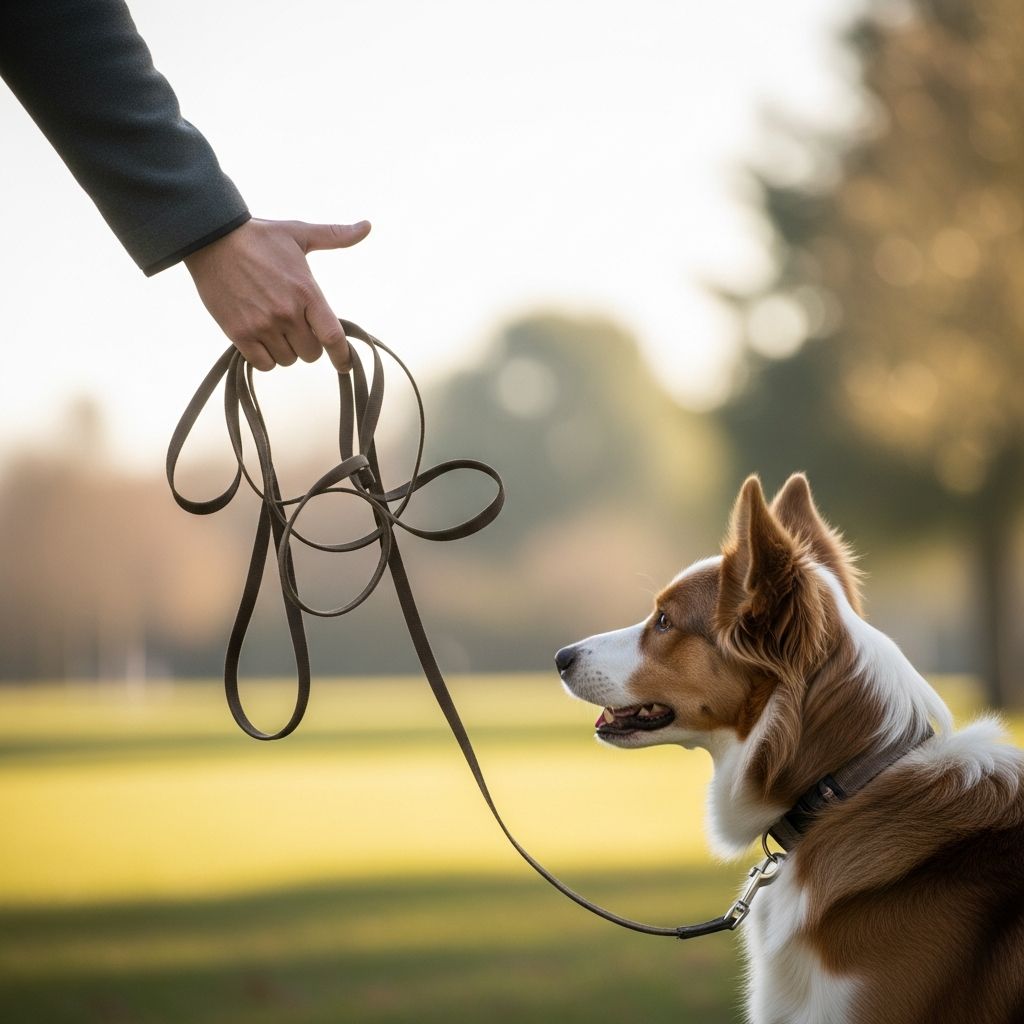
Teaching your dog a dependable recall—the ability to come when called—is fundamental for safety and enjoyment during walks and playtime. However, many owners unknowingly make errors that undermine progress, turning a simple command into a frustrating challenge. This guide explores frequent missteps and provides actionable solutions drawn from expert canine training principles.
Understanding the Foundations of Effective Recall
A strong recall starts with positive associations. Dogs respond best to cues that promise rewards rather than punishment. Begin in low-distraction settings like your living room, using high-value treats such as chicken or cheese to lure your dog toward you. Gradually introduce the verbal cue like “come” only after consistent movement toward you occurs.
Key to success is repetition without rushing. Practice daily in short sessions to build habits. Reward every response enthusiastically to reinforce that returning equals good things happening.
Mistake 1: Skipping Name Recognition Training
Many jump straight to the recall cue without first teaching their dog to respond to its name. This oversight leaves dogs confused, as they don’t yet associate their name with attention.
Solution: Spend time calling your dog’s name in neutral settings. When they look at you, immediately praise and treat. This builds a positive link, making it easier to add the recall word later. Use a happy tone and visual signals like open arms to enhance clarity.
- Practice indoors first for quick wins.
- Ensure all family members use the same name cue consistently.
- Combine with eye contact rewards to strengthen focus.
Mistake 2: Using Low-Value or Inconsistent Rewards
Offering bland kibble or no reward at all fails to motivate dogs, especially amid distractions. Dogs quickly learn that ignoring the cue leads to more fun elsewhere.
Solution: Reserve the highest-value rewards—think liver treats, favorite toys, or play—for recall practice. Vary them to keep sessions unpredictable and exciting. Always deliver immediately upon arrival to cement the association.
| Reward Type | When to Use | Examples |
|---|---|---|
| Food | Early training, high distraction | Chicken, cheese, freeze-dried meat |
| Toy Play | Playful sessions | Tug rope, ball toss |
| Praise + Release | Low distraction maintenance | “Good dog! Go play!” |
Mistake 3: Practicing in High-Distraction Environments Too Soon
Owners often test recalls in parks or busy streets prematurely, leading to failures that erode trust in the cue.
Solution: Progress gradually: home, yard, quiet fields, then parks. Use a 15-50 foot long line for safety in open areas, allowing exploration while maintaining control. Only advance when success rate hits 90-100%.
Start with short distances and build up. Incorporate movement: run backward or away to tap into chase instincts, clicking or praising as they pursue.
Mistake 4: Punishing or Scolding After a Recall
Calling your dog, then yelling for past misbehavior poisons the cue. Dogs associate returning with negativity and start avoiding it.
Solution: Never correct after a recall, even if slow. Always end positively. If frustrated, address issues separately without linking to the come command. Praise lavishly every time.
“Praise a recall, always. Good things must happen when your dog returns.”
Mistake 5: Chasing Your Dog During Training
Chasing turns recall into a game where fleeing wins. Dogs interpret pursuit as play, running farther.
Solution: Reverse roles—run away yourself to encourage chasing you. Use fun noises or toys to lure. In emergencies, crouch low or hide to reduce threat perception.
Mistake 6: Neglecting Collar and Capture Conditioning
A recall is useless if you can’t secure your dog afterward. Many dogs dodge grabs, associating collar touches with end-of-fun.
Solution: Play the “gotcha” game: gently grab the collar before rewarding during every practice. Pair with treats to build comfort. Progress to holds during recalls.
- Start with light touches in calm settings.
- Add during short recalls.
- Include friends calling from distances for variety.
Mistake 7: Inconsistent Practice and Unrealistic Expectations
Sporadic sessions or expecting perfection overnight leads to setbacks. Recall is a lifelong skill needing maintenance.
Solution: Train daily, 5-10 minutes multiple times. Use games like hide-and-seek or multi-person relays. Gradually introduce distractions: people walking by, toys tossed nearby.
Group exercises: Have helpers call from 8-10 feet apart, rewarding switches. This builds reliability in social settings.
Advanced Techniques for Distraction-Proof Recall
Once basics solidify, layer challenges. Use place training as a foundation: teach staying on a mat amid distractions, then recall from there.
Long-line drills: Let your dog explore, then call cheerfully while jogging away. Reward sits at your feet. Introduce barriers or toys as proofing.
Tools and Safety Essentials
Invest in quality gear:
- Long lines: 15-50 feet, non-retractable for control.
- High-value treats: Portable pouches for quick access.
- Clickers: For precise timing in marker training.
Always respect leash laws, even in yards. Secure areas first for off-leash practice.
Common Myths Debunked
| Myth | Reality |
|---|---|
| Recall must be off-leash immediately | Build with leashes/long lines for safety. |
| Puppies learn recall naturally | All dogs need structured training. |
| One method fits all breeds | Tailor to energy levels and drives. |
Frequently Asked Questions (FAQs)
What if my dog ignores the recall?
Stay calm, use the long line to gently reel in without pulling. Never repeat the cue endlessly—go get them and restart in a better spot.
How long until reliable recall?
Weeks to months with consistent practice. Maintenance prevents backsliding.
Can older dogs learn recall?
Yes! Any age responds to positive methods. Be patient with history.
What cue word is best?
Short like “come” or “here.” Whistles work for distance. Consistency matters most.
Help! My dog recalls but won’t stay.
Add a sit or collar grab with rewards. Practice releases back to fun.
Building a Lifelong Recall Habit
Success hinges on positivity, patience, and progression. Avoid these pitfalls by focusing on fun, rewards, and safety. Your dog will eagerly dash back, enhancing your bond and adventures.
References
- How to Train a Reliable Recall for Your Dog — American Kennel Club. 2023-05-15. https://www.akc.org/expert-advice/training/reliable-recall-train-dogs-to-come-when-called/
- Training a Steadfast Recall — Karen Pryor Clicker Training. 2022-11-10. https://clickertraining.com/training-a-steadfast-recall/
- Recall Training – Come Back When Called — Dogs Trust. 2024-02-20. https://www.dogstrust.org.uk/dog-advice/training/basics/recall-training
- Teaching a Reliable Recall — Whole Dog Journal. 2023-08-05. https://www.whole-dog-journal.com/training/teaching-a-reliable-recall/
- How to Teach PERFECT Recall (Even with Distracted Dogs) — Will Atherton Canine Training (YouTube). 2023-06-12. https://www.youtube.com/watch?v=PGmDiVl2wPY
Similar Articles








Read full bio of Sneha Tete


