

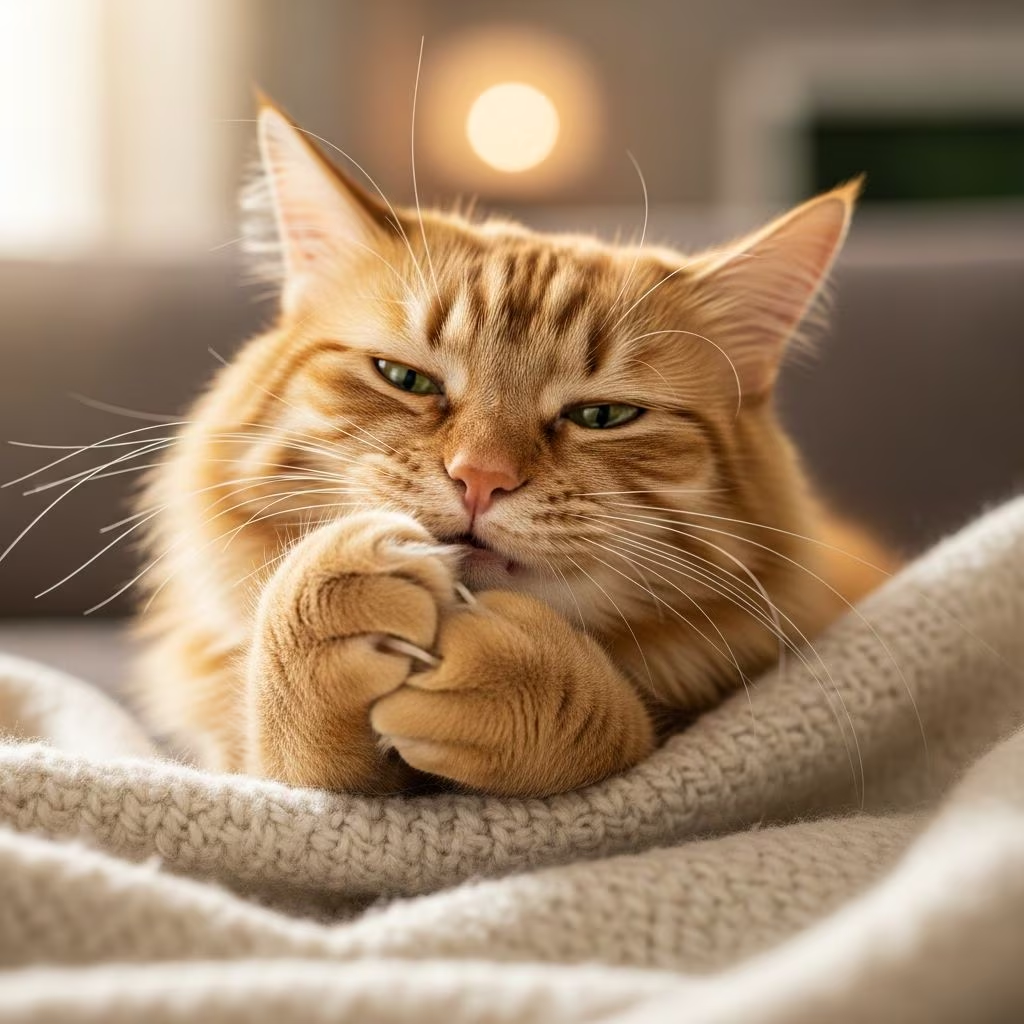
One of the most endearing behaviors in cats is when they knead with their paws while purring contentedly on your lap. This rhythmic pushing motion, often called “making biscuits,” paired with their signature purr, leaves many cat owners wondering: why do cats knead and purr? These actions stem from deep-rooted instincts, emotional bonds, and physiological needs that trace back to their kittenhood and wild ancestry.
Understanding these behaviors helps strengthen the human-feline bond and provides insights into your cat’s well-being. Cats knead soft surfaces like blankets, pillows, or laps, alternating paws in a gentle massage-like motion. This is frequently accompanied by purring, a low-frequency vibration produced by rapid movement of vocal cords. Together, they signal contentment but can also indicate other needs.
What Is Cat Kneading?
Cat kneading refers to the repetitive flexing of paws against a soft surface, extending and retracting claws slightly. Kittens begin this behavior early, pushing against their mother’s abdomen to stimulate milk flow during nursing. This instinctive action persists into adulthood, evolving into a multifaceted display.
Adult cats knead blankets, clothing, or human laps, often with eyes half-closed and a blissful expression. Some retract claws to avoid scratches, while others extend them. Drooling may occur, reminiscent of nursing. This behavior typically lasts until the cat feels secure enough to settle down.
Why Do Cats Knead?
Cats knead for several interconnected reasons, blending survival instincts, emotional comfort, and communication. Here’s a breakdown of the primary motivations:
- Nursing Instinct from Kittenhood: Kittens knead their mother’s teat to encourage milk let-down. The sensation remains comforting for adults, evoking feelings of safety and nourishment.
- Comfort and Relaxation: Kneading releases endorphins, promoting relaxation. It’s a self-soothing ritual, especially on soft surfaces mimicking a nest.
- Territory Marking: Scent glands in paw pads deposit pheromones during kneading, claiming the surface (or you) as theirs.
- Stretching and Exercise: The motion stretches paw, shoulder, and leg muscles, maintaining flexibility.
- Seeking Attention or Affection: Kneading on owners often requests pets or interaction, reinforced by purring.
- Stress Relief: Anxious cats knead to self-soothe, similar to human comfort habits.
- Mating Signals (in Females): Unspayed females in heat may knead while purring and stretching to attract mates.
Context matters: happy kneading involves purring and relaxed body language, while stressed kneading might pair with hiding or vocalizing.
The Connection Between Kneading and Purring
Purring and kneading frequently co-occur because both originate from nursing. Kittens purr to communicate contentment while kneading, strengthening the mother-kitten bond. In adults, this duo amplifies feelings of security.
Purring vibrates at 25-150 Hz, promoting healing and pain relief—used for self-medication during injury or stress. When paired with kneading, it indicates peak relaxation or affection toward owners.
Dopamine release during kneading enhances pleasure, mirroring nursing rewards. This neurochemical boost explains why cats appear euphoric, often drooling or zoning out.
Why Do Cats Knead You Specifically?
When your cat kneads you, it’s a profound compliment. They view you as a surrogate mother or trusted companion. Scent-marking claims you as family, while the act reinforces emotional bonds.
This behavior signals deep trust: vulnerable belly exposure and claw extension (if any) show safety. Early-weaned kittens knead humans more intensely, seeking maternal comfort.
Respond positively with gentle strokes, but trim claws to prevent scratches. Provide alternatives like blankets to redirect if needed.
Is Cat Kneading Always a Good Sign?
Mostly yes, but monitor for extremes. Excessive kneading with aggression, vocalizing, or hiding may indicate stress, anxiety, or pain (e.g., arthritis).
Sudden increases warrant vet checks for neurological issues or discomfort. Females kneading excessively with yowling suggest heat cycles—spaying resolves this.
| Behavior Context | Likely Meaning | Action |
|---|---|---|
| Relaxed posture, purring, on lap | Contentment/affection | Enjoy and pet gently |
| Claws out, intense, drooling | Nursing remnant/comfort | Provide soft blanket |
| With anxiety signs (hiding) | Stress relief | Enrich environment, consult vet |
| Female + yowling/stretching | Mating behavior | Consider spaying |
How to Manage Excessive Kneading
Protect furniture with claw caps or scratching posts. Offer dedicated kneading spots like cat beds or blankets with your scent. Enrich environments to reduce stress-induced kneading: toys, perches, routines.
For painful causes, vets may recommend joint supplements or anxiety meds. Spaying/neutering curbs mating-related kneading.
Frequently Asked Questions (FAQs)
Why does my cat knead and purr on me?
Your cat sees you as a safe, maternal figure. Kneading marks you with scent glands, while purring shows happiness and bonds you.
Do all cats knead?
Most do, but frequency varies. Early-weaned or highly affectionate cats knead more.
Why does my cat knead the air?
This mimics nursing or mating signals, especially in females in heat. It’s harmless but spaying helps.
Is kneading painful for cats?
No, it’s pleasurable due to endorphins. Excessive cases may signal underlying issues.
Should I stop my cat from kneading me?
Never punish—it’s natural. Trim nails and redirect to blankets for comfort.
Why do cats drool while kneading?
Drooling recalls nursing milk flow, a contentment sign.
This comprehensive look reveals kneading and purring as windows into your cat’s world—instinctive joys blending survival with love. Embrace these moments as affirmations of trust.
References
- Kneading (cats) — Wikipedia. Accessed 2026. https://en.wikipedia.org/wiki/Kneading_(cats)
- Why do cats knead? | Expert Insights — The Cat Behavior Clinic. Accessed 2026. https://www.thecatbehaviorclinic.com/why-do-cats-knead/
- What is Cat Kneading and Why Do They Do It? — Warrick Vet. Accessed 2026. https://warrickvet.com/blog/what-is-cat-kneading-and-why-do-they-do-it/
- Why Do Cats Knead? — Meow Mix. Accessed 2026. https://www.meowmix.com/cat-care/why-do-cats-knead
- Understanding Kneading in Cats: Behaviour Explained for 2025 — Valley Animal Hospital. 2025-11-03. https://thevalleyanimalhospital.com/kneading-in-kitties/
- Why Does My Cat Make Biscuits on Me? — Dix Hills Animal Hospital. Accessed 2026. https://dixhillsanimalhospital.com/blog/why-does-my-cat-make-biscuits-on-me/
- My Cats Purr and Knead Me: Why Do They Do That? — PetHelpful. Accessed 2026. https://pethelpful.com/cats/my-cats-purr-and-knead-me-why-do-they-do-that



