

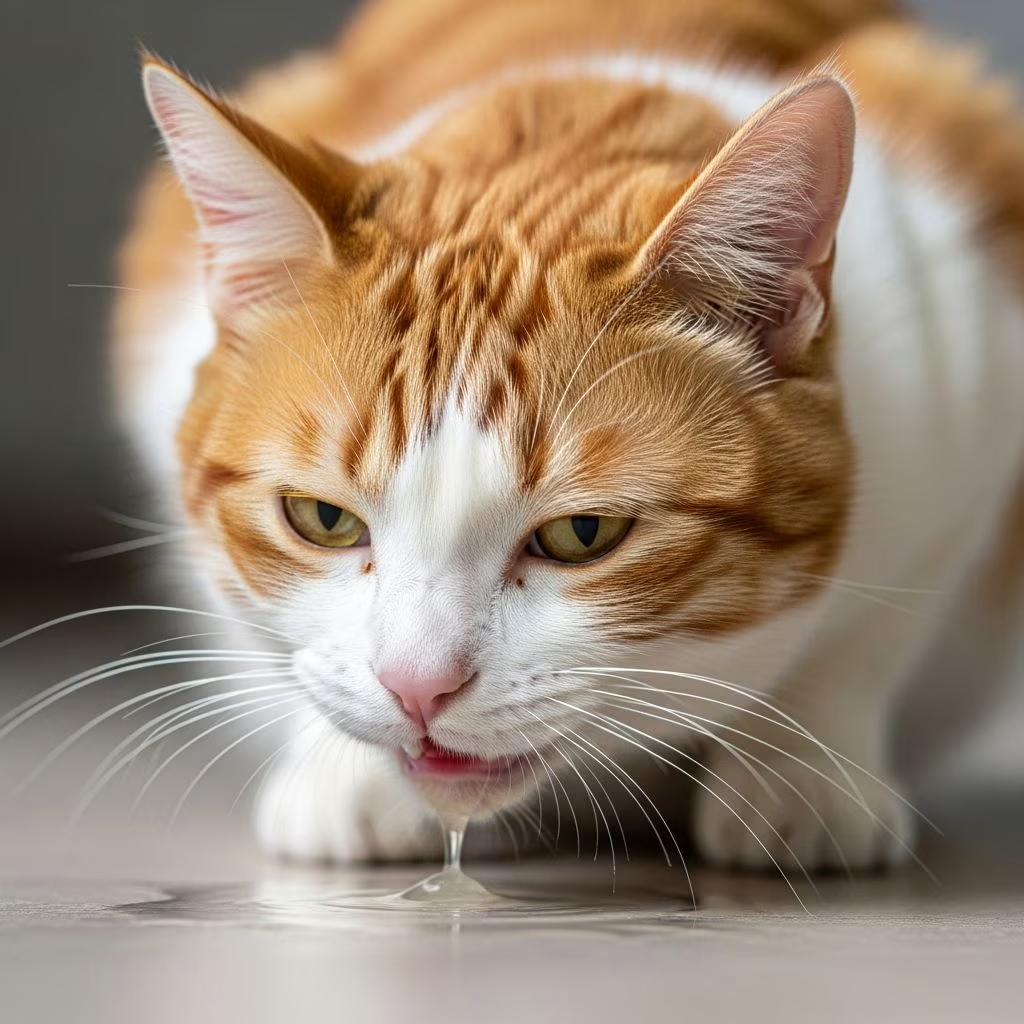
Cats vomiting after drinking water is a common concern for pet owners. This behavior can range from benign habits to signs of serious health problems. Understanding the difference between vomiting and regurgitation is crucial: vomiting is an active process involving stomach contractions, while regurgitation is passive expulsion of undigested material from the esophagus. Clear liquid in vomit often indicates gastric fluids, distinct from plain water which appears thin and runny right after drinking.
Frequent episodes, especially with other symptoms like lethargy, weight loss, or increased thirst, warrant immediate veterinary attention to prevent dehydration or underlying disease progression. This article covers the top five reasons, prevention tips, and FAQs to help you care for your cat.
The 5 Reasons Why Cats Throw Up After Drinking Water
There are several potential causes for your cat expelling water shortly after consumption. While occasional incidents may be harmless, patterns suggest medical evaluation. Always monitor for accompanying signs like diarrhea, appetite changes, or pain.
1. They Drank Too Much Too Fast
The most frequent cause is rapid drinking, where cats gulp water greedily, overwhelming the stomach. This triggers regurgitation as the tummy expands quickly, signaling the brain to empty contents. You’ll often see a puddle of water or froth on the floor, with the cat resuming normal behavior immediately.
This habit is common in multi-cat homes or with dehydrated cats. However, repeated occurrences weekly signal deeper issues like kidney disease or diabetes, which increase thirst. To mitigate, use slow-feed bowls or puzzle drinkers that force measured sips, reducing gulp volume by up to 50% in avid drinkers.
Prevention includes offering smaller, frequent water servings and ensuring fresh sources. If paired with polydipsia (excessive thirst), bloodwork is essential to rule out metabolic disorders.
2. They’re Trying to Bring Something Back Up
Cats often vomit water while expelling hairballs or foreign objects lodged in the stomach. Grooming leads to ingested fur accumulating, irritating the gastric lining and prompting expulsion. Water recently drunk mixes with the hairball, appearing in vomit alongside clear gastric mucus or bile.
Foreign bodies like string, toy pieces, or plant material can cause similar issues, leading to irritation and vomiting. Symptoms may include hacking, retching, or repeated attempts. While occasional hairballs are normal (1-2 monthly), frequent ones with water indicate blockage risks.
Management involves regular brushing to reduce loose fur, hairball remedies like petroleum jelly pastes, and a high-fiber diet promoting passage. Endoscopy or surgery may be needed for obstructions. Monitor for constipation or straining, as these exacerbate the cycle.
3. They Have an Esophageal or Gastrointestinal Illness
Esophageal disorders cause regurgitation post-drinking due to impaired motility or inflammation. Conditions like megaesophagus (dilated esophagus), strictures from scarring, or viral infections (e.g., herpesvirus) hinder swallowing, leading to passive water expulsion. Signs include drooling, neck extension, weight loss, and halitosis.
Gastrointestinal vomiting stems from stomach/intestine issues: gastritis, pancreatitis, inflammatory bowel disease (IBD), or infections. Dietary indiscretion, allergies, or toxins irritate the lining, mixing with water to produce frothy vomit. Bacterial overgrowth or fungal issues compound this.
Diagnosis requires imaging, endoscopy, or biopsies. Treatments vary: anti-emetics, antibiotics, hypoallergenic diets, or steroids for IBD. Prognosis improves with early intervention; untreated cases lead to malnutrition.
4. They Have Parasites
Intestinal parasites like roundworms (Toxocara cati) infest kittens and adults via contaminated soil or fleas. Heavy burdens obstruct the gut, causing vomiting of food, water, or visible worms (spaghetti-like, 3-5 inches). Symptoms include pot-bellied appearance, diarrhea, and poor coat.
Hookworms attach to intestines, drawing blood and exacerbating nausea. Diagnosis via fecal flotation; treatment with dewormers like pyrantel or fenbendazole, often in multiple doses over weeks. Prevent with monthly broad-spectrum preventatives and hygiene.
Pregnant queens transmit larvae to kittens, making routine checks vital. Untreated infestations cause anemia and growth stunting.
5. They Have a Metabolic or Organ System Disorder
Polydipsia from diseases prompts excessive, rapid drinking and subsequent vomiting. Chronic kidney disease (CKD) impairs filtration, causing toxin buildup and thirst; 30-50% of senior cats affected. Diabetes mellitus leads to glucosuria, drawing water into urine and increasing intake.
Hyperthyroidism accelerates metabolism, boosting thirst/appetite. Liver disease or pyometra (uterine infection) also contribute. Vomit may contain bile or blood from ulceration. Blood tests reveal elevated BUN/creatinine (CKD), high glucose (diabetes), or T4 (thyroid).
Treatments: fluid therapy/subcutaneous fluids for CKD, insulin for diabetes, methimazole for thyroid. Diets low in phosphorus/protein aid kidneys. Early detection via annual senior wellness exams is key.
When to See a Vet for Cat Vomiting After Drinking
Isolated incidents post-gulping are often self-resolving. Seek care if:
- Vomiting >2-3 times weekly
- Blood, bile, or worms present
- Lethargy, diarrhea, or dehydration (tacky gums, skin tenting)
- Weight loss or appetite refusal
- Increased thirst/urination
Acute vomiting risks aspiration pneumonia or electrolyte imbalance. Diagnostics: bloodwork, urinalysis, radiographs, ultrasound.
How to Prevent Cat Vomiting After Drinking Water
Proactive steps reduce episodes:
- Slow drinking: Use fountains or elevated bowls; cats prefer running water.
- Diet management: Frequent small meals, hairball formulas.
- Grooming: Brush 2-3x weekly.
- Parasite control: Year-round preventatives.
- Wellness checks: Bi-annual vet visits for seniors.
| Prevention Strategy | Benefit | Frequency |
|---|---|---|
| Slow-feed bowls | Reduces gulping | Daily |
| Brushing | Minimizes hairballs | 2-3x/week |
| Deworming | Eliminates parasites | Monthly |
| Senior bloodwork | Detects organ issues | 6-12 months |
Frequently Asked Questions (FAQs)
Q: Is cat vomiting water the same as clear liquid vomit?
A: No. Water is thin and recent; clear liquid is thicker gastric fluid from irritation or illness.
Q: How much vomiting is normal for cats?
A: Occasional (1-2/month) hairballs are fine; frequent or with symptoms needs vet evaluation.
Q: Can hairballs cause vomiting after water?
A: Yes, water dislodges hairballs, mixing in vomit.
Q: Does kidney disease make cats vomit water?
A: Yes, via excessive thirst leading to gulping and regurgitation.
Q: What home remedies stop cat vomiting?
A: Withhold food 12-24 hours, offer bland diet, but consult vet first—don’t delay for potential emergencies.
References
- Cat Vomiting After Drinking Water: Reasons Why — Catster. 2023. https://www.catster.com/cat-health-care/reasons-why-cats-throws-up-after-drinking-water/
- Cat Vomiting: Causes, Types, and What to Do — PetMD. 2024-01-15. https://www.petmd.com/cat/symptoms/cat-vomiting-causes-and-types
- Why Is My Cat Throwing Up? — Pawlicy Advisor. 2023-05-20. https://www.pawlicy.com/blog/why-is-my-cat-throwing-up/
- Why Is My Cat Throwing Up Clear Liquid? — Chewy. 2023-11-10. https://www.chewy.com/education/cat/health-and-wellness/why-is-my-cat-throwing-up-clear-liquid
- Why Is My Cat Vomiting After Drinking Water? — University Animal Hospital. 2024-02-05. https://www.uahpet.com/blogs/post/why-is-my-cat-vomiting-after-drinking-water-understanding-the-causes-and-solutions



