

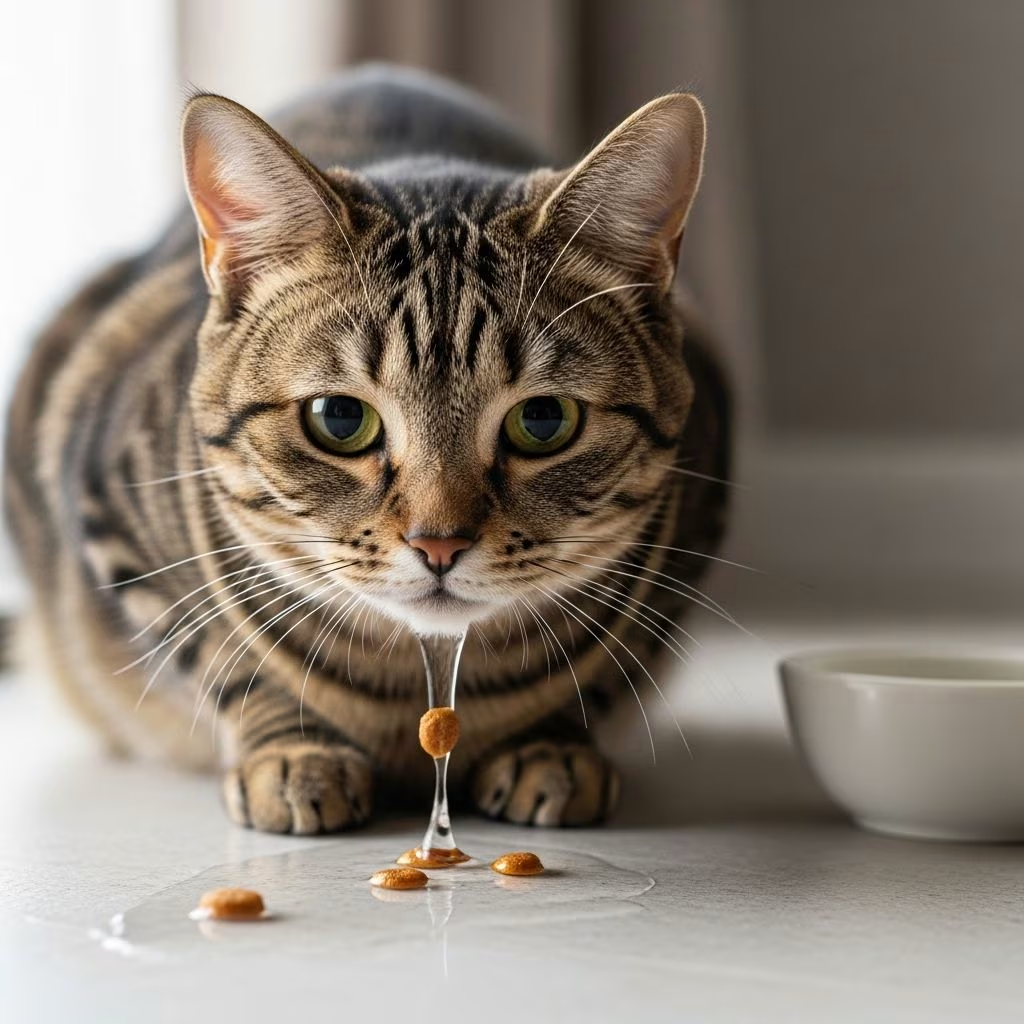
Seeing your cat throw up every day can be alarming for any pet owner. While occasional vomiting might seem harmless, daily occurrences often signal underlying issues ranging from benign habits to serious health conditions. Cats vomit for various reasons, including hairballs, dietary problems, or diseases like kidney failure. Understanding these causes is crucial for timely intervention to prevent complications like dehydration or weight loss. This guide explores the most common reasons, symptoms to watch for, and steps to take, drawing from veterinary insights to help you support your feline friend’s health.
Why Do Cats Throw Up? Understanding the Basics
Cats have a unique digestive system prone to vomiting due to their grooming habits and curious nature. Vomiting is the forceful expulsion of stomach contents, often preceded by retching or salivation. Unlike regurgitation, which is passive, true vomiting involves abdominal contractions. Daily vomiting disrupts nutrition and hydration, potentially leading to secondary issues like liver disease if untreated. Acute vomiting is sudden and resolves quickly, while chronic daily vomiting points to ongoing problems like inflammatory bowel disease (IBD) or organ dysfunction. Veterinary sources emphasize distinguishing these to guide treatment.
Hairballs: The Most Common Culprit
Hairballs, or trichobezoars, form when cats ingest fur during grooming, which accumulates in the stomach. Daily vomiting of tubular hair masses is typical in long-haired breeds or heavy groomers. While occasional hairballs are normal, every-day expulsion indicates excessive grooming, possibly from stress, allergies, or skin issues. Symptoms include hacking, retching, and undigested food mixed with fur. Prevention involves regular brushing, hairball remedies like petroleum-based gels, and high-fiber diets to promote passage through the intestines. If hairballs persist daily, they may mask gastrointestinal blockages or IBD, warranting a vet exam.
- Breeds Prone to Hairballs: Persians, Maine Coons, and other long-haired cats.
- Prevention Tips: Brush 3-5 times weekly; use litter additives; ensure hydration.
Eating Too Fast or Food-Related Issues
Cats that devour food rapidly gulp air, leading to regurgitation or vomiting shortly after meals. This behavioral issue, common in multi-cat homes or with free-feeding, causes undigested food expulsion. Food intolerances, allergies to proteins like beef or fish, or sudden diet changes also trigger daily upset. Spoiled kibble, table scraps, or non-food items (dietary indiscretion) irritate the stomach lining. Solutions include puzzle feeders to slow eating, hypoallergenic diets, and gradual food transitions. Persistent issues may indicate sensitivities requiring veterinary allergy testing.
| Cause | Symptoms | Solutions |
|---|---|---|
| Eating Too Fast | Vomit right after meals, intact food | Slow-feed bowls, smaller portions |
| Food Allergy | Diarrhea, itching, chronic vomit | Hydrolyzed protein diet, vet consult |
Food Allergies and Intolerances in Cats
Unlike dogs, cat food allergies often stem from carbohydrates or novel proteins rather than classics like dairy. Daily vomiting post-meals, paired with diarrhea or skin irritation, suggests intolerance. Common culprits include grains, artificial additives, or frequent ingredient switches. Diagnosis involves elimination diets under vet supervision, lasting 8-12 weeks. Management includes limited-ingredient foods or prescription hydrolyzed diets that prevent immune reactions. Early addressing prevents progression to chronic IBD.
Parasites: Hidden Invaders Causing Daily Distress
Intestinal parasites like roundworms, hookworms, or giardia infest kittens, outdoor cats, or those on raw diets, causing daily vomiting with diarrhea, bloating, or weight loss. Worms irritate the gut lining, leading to nausea. Visible worms in vomit or stool confirm infection. Regular fecal exams and broad-spectrum dewormers (e.g., fenbendazole) are essential. Prevention via monthly topicals like selamectin protects against fleas, which transmit worms. Untreated parasites stunt growth and spread zoonotically.
- Common Parasites: Roundworms (kittens), tapeworms (fleas), coccidia.
- Treatment: Vet-prescribed meds; repeat doses for eggs.
Chronic Conditions: When Vomiting Signals Serious Disease
Daily vomiting often masks systemic illnesses. Inflammatory bowel disease (IBD) causes gut inflammation, leading to intermittent or constant vomiting, poor appetite, and weight loss. Diagnosis requires biopsy, treated with steroids, immunosuppressants, and novel diets. Pancreatitis, pancreas inflammation, brings acute vomiting, pain, and lethargy, often from high-fat meals.
Kidney Disease
Chronic kidney disease (CKD), prevalent in senior cats, builds toxins causing uremic nausea and daily vomit. Symptoms include thirst, dilute urine, and halitosis. Bloodwork (elevated BUN/creatinine) confirms; management involves renal diets, fluids, and phosphate binders to extend life.
Liver Disease
Hepatic issues like cholangiohepatitis manifest as vomiting, jaundice, and lethargy. Toxins overwhelm detoxification, treated with Ursodiol, antibiotics, and supportive care.
Hyperthyroidism
Overactive thyroid accelerates metabolism, causing ravenous hunger yet weight loss and vomiting. Blood T4 levels diagnose; methimazole or surgery treats it.
Other Serious Causes: Cancer, Infections, and More
Cancer like lymphoma infiltrates the gut, causing chronic vomiting unresponsive to other treatments. Infections (viral like panleukopenia, bacterial) provoke acute vomiting with fever. Diabetes or megacolon also contribute. Full diagnostics—ultrasound, endoscopy—are vital for rare causes like vestibular disease.
When to See a Vet: Red Flags for Daily Vomiting
Don’t ignore daily vomiting—seek vet care if accompanied by blood (hematemesis from ulcers), bile, lethargy, diarrhea >24 hours, dehydration (skin tenting), or appetite loss. Kittens, seniors, or diabetics need urgent attention. Diagnostics include blood panels, imaging, fecal tests. Delaying risks aspiration pneumonia or hepatic lipidosis.
- Blood in vomit: Ulcers or clotting issues.
- Foamy vomit: Gastritis or bilious vomiting.
- With weight loss: Organ failure likely.
How Vets Diagnose Daily Cat Vomiting
Vets start with history and exam, followed by CBC/chemistry for organ function, fecal flotation for parasites, radiographs/ultrasound for blockages, and endoscopy/biopsy for IBD/cancer. Trial diets test allergies. Tailored plans address root causes.
Treatment Options for Cats Vomiting Every Day
Treatments vary: antiemetics (Cerenia) control nausea; fluids combat dehydration; diet trials manage intolerances. Surgery removes foreign bodies; lifelong meds handle CKD/IBD. Home care includes bland diets (boiled chicken/rice) short-term.
Preventing Daily Vomiting in Your Cat
Proactive steps: annual checkups, parasite preventives, balanced diets, grooming routines, no human food. Monitor weight and litter habits. Early detection via wellness screens saves lives.
Frequently Asked Questions (FAQs)
What if my cat throws up every day but seems fine otherwise?
Even energetic cats hide illness. Daily vomiting erodes health over time; schedule a vet visit for bloodwork to rule out CKD or IBD.
Is daily hairball vomiting normal?
No—occasional yes, daily suggests overgrooming or blockage. Use laxatone and brush more.
Can diet changes stop my cat’s daily vomiting?
Often yes for allergies, but vet-guided trials are key. Avoid abrupt switches.
When is cat vomiting an emergency?
If bloody, with weakness, or >3 episodes/day, go immediately to prevent dehydration.
How much does it cost to diagnose chronic cat vomiting?
Basic exam ~$100; full workup $500-2000 including ultrasound/biopsy.
References
- Cat Vomiting: 10 Causes and How to Help — Lagniappe Animal Health. 2023. https://lagniappeanimalhealth.com/blog/cat-vomiting-causes-in-ruston-la/
- Cat Vomiting: Causes and How to Help — Pinnacle Veterinary. 2024. https://pinnacle.vet/blog/cat-vomiting/
- Cat Vomiting: Causes, Types, and What to Do — PetMD. 2025-01-10. https://www.petmd.com/cat/symptoms/cat-vomiting-causes-and-types
- Is Your Cat Vomiting? A Complete Guide — Best Friends Animal Society. 2023. https://bestfriends.org/pet-care-resources/cat-throwing-causes-when-see-vet-treatment
- Understanding Your Cat’s Vomiting — Northwood Veterinary Hospital. 2024. https://northwoodveterinary.com/understanding-your-cats-vomiting-why-its-never-just-normal/
- Vomiting in Cats — Merck Veterinary Manual. 2025. https://www.merckvetmanual.com/cat-owners/digestive-disorders-of-cats/vomiting-in-cats
- Vomiting in Cats — VCA Animal Hospitals. 2024. https://vcahospitals.com/know-your-pet/vomiting-in-cats



