

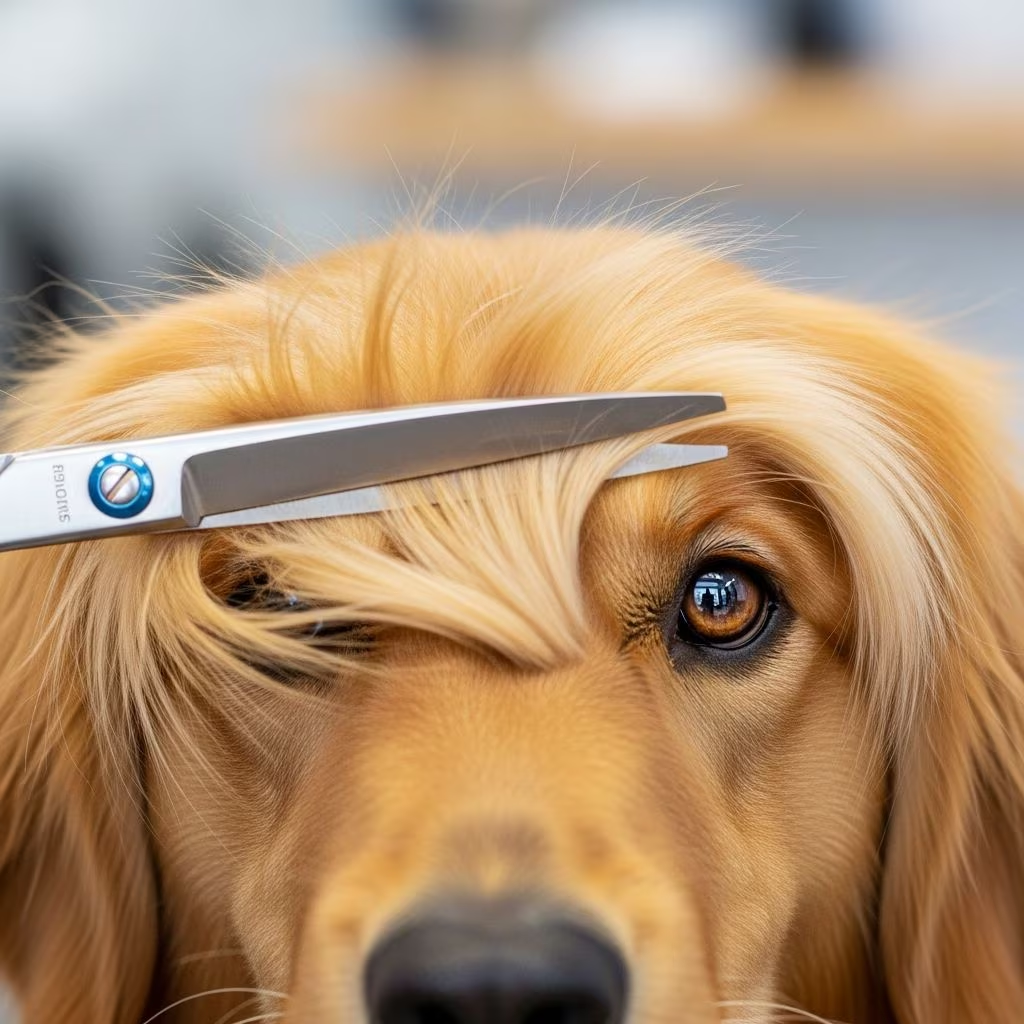
Many dog breeds sport luscious locks that grow over their eyes, creating an adorable shaggy look. However, this fur can pose significant health risks. Trimming it is crucial for your dog’s vision, comfort, and eye safety. This comprehensive guide explores why you should trim your dog’s bangs, which breeds are affected, and how to do it safely.
Why You Should Trim Your Dog’s Bangs
Whether bangs are trendy for humans or not, for dogs, long facial fur often means obstructed vision and health problems. Breeds like the Old English Sheepdog have standards calling for a “full skull of fur,” but this doesn’t mean it’s healthy. Dogs rely heavily on sight for navigation and communication, and thick fur blocks it entirely. Just like humans can’t see through hair, dogs can’t either— their nose and ears help, but vision is irreplaceable for full environmental awareness.
Common breeds with facial hair issues include:
- Afghan Hound
- Bearded Collie
- Old English Sheepdog
- Havanese
- Komondor
- Lhasa Apso
- Poodle
- Puli
- Skye Terrier
These dogs benefit most from regular trims. Neglecting this grooming leads to multiple issues, detailed below.
1. They Can’t See Anything
The primary reason to trim fur over your dog’s eyes is vision obstruction. Hair covering the eyes prevents clear sight, leading to confusion, bumps, and collisions. Dogs navigate using visual cues for everything from play to avoiding hazards. Obscured vision hampers this, making daily life risky—imagine walking blindly into furniture or missing approaching threats.
Dog vision differs from humans: they see better in low light but have less color perception and acuity. Any blockage worsens this. Clear eyes allow better environmental scanning, essential for active breeds. Studies on canine senses emphasize vision’s role in 70-80% of spatial awareness, underscoring why fur-free eyes matter. Without trims, dogs bump into objects, increasing injury risk.
2. It Can Be Stressful
Obstructed vision heightens anxiety, especially in fearful dogs. Sudden surprises from unseen people, animals, or objects trigger stress responses. Clear sight reduces miscommunications in dog interactions—much canine body language is visual, like tail wags or ear positions. Blocked views lead to misunderstandings, fights, or flight responses.
For timid pups, the world feels unpredictable without full vision. This chronic stress elevates cortisol levels, impacting health long-term. Trimming restores confidence, making outings and home life calmer. Owners report less barking and hiding after eye-area grooming, proving vision’s link to emotional well-being.
3. Can Cause Eye Irritation
Fur hanging over eyes rubs against corneas, causing irritation. Hairs poke into eyes, leading to redness, tearing, and discomfort. Constant friction mimics allergies or foreign bodies, prompting pawing that worsens issues. Long hair traps debris, dust, and pollen, amplifying irritation.
Breeds with wiry or curly fur exacerbate this—hair mats and scratches delicate eye surfaces. Excessive tearing from irritation stains fur reddish-brown, signaling problems. Daily wiping helps, but trimming prevents root causes. Untreated irritation progresses to infections, demanding vet care.
4. Even Worse, Potential Eye Damage
Beyond irritation, untrimmed fur risks serious damage. Scratches from hairs or paws can ulcerate corneas, leading to infections like conjunctivitis or keratitis. Bacterial buildup in unclean fur causes painful abscesses. Chronic issues may scar eyes, impairing vision permanently.
Veterinary data shows eye injuries common in long-haired breeds without grooming. Infections spread if fur harbors pathogens, especially in humid climates. Trimming eliminates these risks, preserving eyesight. Who wouldn’t want to gaze into those clear puppy eyes without health worries?
How to Safely Trim Fur Around Your Dog’s Eyes
DIY trimming is feasible with care, or opt for pros. Use blunt-tipped scissors or pet clippers to avoid accidents. Steps include:
- Prepare: Calm your dog with treats. Use a non-slip surface.
- Clean first: Wipe eyes with damp cotton balls—no soap.
- Comb fur: Detangle above and below eyes.
- Trim gradually: Hold fur taut, snip parallel to eye line. Leave 1/4 inch for safety.
- Check symmetry: Step back, repeat on other side.
- Style: Topknot or ponytail prevents regrowth issues.
Tools needed:
| Tool | Purpose | Tips |
|---|---|---|
| Blunt scissors | Safe cutting | Pet-specific, rounded tips |
| Fine-tooth comb | Detangling | Metal for precision |
| Clippers (low guard) | Even trim | Quiet models reduce fear |
| Cotton balls & saline | Cleaning | Warm water only |
For ears: Trim outer fur, avoid canals. Pluck if vet-approved. Practice on calm dogs; start young for habituation.
Professional Grooming Benefits
Pros handle tricky areas safely, spotting issues early. Services like mobile grooming minimize stress—ideal for anxious dogs. Regular sessions prevent buildup, including tear stains. Combine with nail trims to stop self-scratching. Costs vary, but eye-focused trims are quick and affordable.
Frequency: Every 4-6 weeks for fast growers; monitor regrowth.
Preventing Related Issues
- Tear stains: Clean daily; diet impacts (low-iron foods help).
- Infections: Watch for redness, discharge—vet ASAP.
- Nail care: Short nails prevent eye scratches.
- Ear cleaning: Reduces pawing that harms eyes.
Frequently Asked Questions (FAQs)
Should all dogs have fur trimmed over their eyes?
Not all, but long-haired breeds yes. Short-coated dogs rarely need it.
Is it safe to trim at home?
Yes, with blunt tools and patience. Pros recommended for first-timers.
How often should I trim?
Every 4-6 weeks, or when fur reaches eye level.
What if my dog hates grooming?
Use treats, short sessions, or mobile pros. Desensitize gradually.
Can untrimmed fur cause blindness?
Not directly, but untreated damage can lead to vision loss.
Conclusion: See the Benefits Clearly
Trimming fur over your dog’s eyes enhances life quality—better sight, less stress, healthier eyes. Prioritize this simple grooming for your furry friend’s well-being. Consult vets for breed-specific advice.
References
- Reasons to Trim Fur Over A Dog’s Eyes — Kinship. 2023. https://www.kinship.com/dog-health/reasons-trim-fur-over-dogs-eyes
- From Redness to Relief: Tips for Managing Dog Eye Infections — Kontota. 2024. https://kontota.com/managing-dog-eye-infections/
- How to Groom a Dog Around the Eyes — WagWalking. 2023. https://wagwalking.com/grooming/groom-a-dog-around-the-eyes
- How to Clean & Trim Around Your Dog’s Eyes & Ears — Wahl USA. 2024. https://wahlusa.com/how-to/pet-grooming-guides/dog-care/eyes-and-ears



