

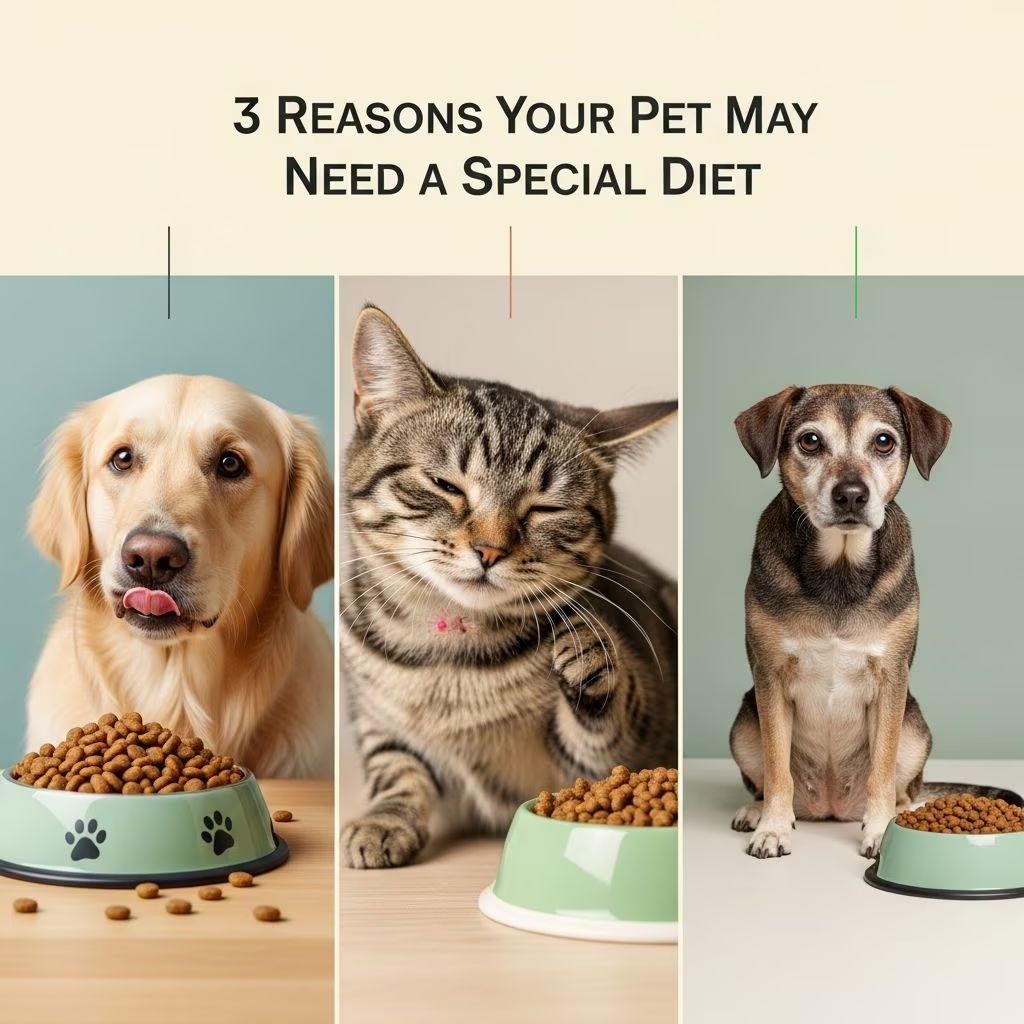
3 Reasons Your Pet May Need a Special Diet
As a pet parent, you want to ensure your furry companion receives the best care possible. One crucial aspect of pet care is nutrition. Just like humans, pets have individual dietary needs that can change throughout their lives. If your pet has been experiencing some less-than-desirable symptoms, a special diet may be exactly what they need to feel their best. Things like regular stomach upset, rashes and even ear inflammation can signal an allergy or intolerance to some common cat and dog food ingredients. Understanding when and why your pet might benefit from a special diet is essential for maintaining their health and quality of life.
Understanding Your Pet’s Dietary Needs
Every pet is unique, with individual nutritional requirements that depend on various factors including age, activity level, health status, and genetic predisposition. While commercial pet foods are formulated to meet the general nutritional requirements of most pets, some animals require specially formulated diets tailored to their specific health conditions or sensitivities. Recognizing the signs that your pet may need a dietary change is the first step toward improving their overall wellness.
Reason 1: Food Allergies and Sensitivities
One of the most common reasons pets require a special diet is the presence of food allergies or sensitivities. Food allergies occur when a pet’s immune system reacts negatively to certain ingredients in their food, triggering an inflammatory response. Unlike food intolerances, which primarily affect digestion, allergies involve the immune system and can cause more severe symptoms.
Signs Your Pet May Have Food Allergies
If your pet is suffering from a food allergy, you may notice several telltale symptoms. These can include:
– Intense itching and scratching- Hair loss or patches of missing fur- Redness of the skin- Recurring ear infections or inflammation- Gastrointestinal upset- Vomiting or diarrhea- Inflamed or irritated paws
These symptoms can significantly impact your pet’s quality of life and comfort. If you notice any combination of these signs, it’s important to consult with your veterinarian to determine if a food allergy might be the culprit.
Common Pet Food Allergens
Research shows that the most common feline and canine food allergens are beef, fish and chicken. However, other ingredients can also trigger allergic reactions in sensitive pets. This is why identifying the specific allergen is crucial for selecting an appropriate special diet. A veterinarian-exclusive diet can help identify and eliminate problematic ingredients from your pet’s nutrition plan.
Special Diet Solutions for Allergies
When it comes to managing food allergies, there are several dietary approaches your veterinarian might recommend. One option is to feed your pet a diet made from unique protein sources, like rabbit or duck, which are rarely connected to food sensitivities. Another option is to feed your cat or dog a diet made from proteins that have been broken down into tiny fragments—a process called hydrolysis—that are no longer allergenic. These hydrolyzed protein diets can be particularly effective for pets with multiple allergies or severe sensitivities.
Veterinary-exclusive diets for food sensitivities often include additional beneficial ingredients such as:
– Soluble and insoluble fibers to boost digestive health- Long-chain omega-3 fatty acids (EPA and DHA) for a soft and shiny coat- Antioxidants for a healthy immune system- Highly digestible proteins
These specially formulated foods not only help address the allergic reaction but also support overall skin and coat health, digestive function, and immune system strength.
Reason 2: Digestive Issues and Gastrointestinal Health
Another significant reason pets may need a special diet is to support digestive health and manage gastrointestinal issues. Just as with humans, pet digestive systems can be sensitive and require specific nutritional support. Chronic digestive problems can affect your pet’s energy levels, weight, and overall wellbeing.
Common Digestive Problems in Pets
Pets can experience a variety of digestive issues, including:
– Constipation- Chronic diarrhea- Inflammatory bowel disease- Sensitive stomach- Poor nutrient absorption- Irregular bowel movements
Regular stomach upset can be distressing for both your pet and you as a pet parent. If your pet frequently experiences gastrointestinal problems, dietary modifications may be necessary to promote better digestive function.
Special Diet Components for Digestive Support
Diets designed to support digestive health typically contain highly digestible proteins, prebiotics, omega-3 fatty acids, and soluble and insoluble fiber sources. These ingredients work together to promote healthy digestive function and can help prevent conditions like constipation from recurring. Once a veterinarian removes any feces that are stuck in your pet’s colon, he or she often will recommend a veterinary-exclusive diet to help prevent a reoccurrence of constipation and support overall gastrointestinal health.
The Importance of Fiber in Digestive Health
Fiber plays a critical role in maintaining digestive health for pets. High-fiber foods can help regulate bowel movements, promote healthy gut bacteria, and keep your pet feeling fuller longer. If your pet is struggling with digestive issues, a diet specifically formulated with appropriate fiber levels can make a significant difference in their comfort and health. The combination of soluble fiber (which becomes gel-like in the digestive tract) and insoluble fiber (which adds bulk) creates an optimal environment for digestive health.
Reason 3: Age-Related Nutritional Needs and Senior Pet Diets
As your best pal ages, his or her nutritional requirements change significantly. Senior pets have unique dietary needs that differ substantially from those of younger, more active animals. Recognizing these changes and adjusting your pet’s diet accordingly is essential for maintaining their health and comfort in their golden years.
How Aging Affects Your Pet’s Metabolism
As pets enter their senior years, several physiological changes occur. Their activity level decreases, metabolism slows down, and their ability to digest and absorb certain nutrients may diminish. These changes mean that foods with too many calories can contribute to weight increases and even obesity in aging pets. Additionally, many older pets require ingredients that are easier to digest and more readily absorbed by their aging digestive systems.
Benefits of Senior Diet Formulas
Special senior diet formulas for dogs and cats help address the changing nutritional needs of aging pets. These diets are specifically designed to support the health challenges common in older pets, such as:
– Weight management- Joint health and mobility- Cognitive function- Digestive efficiency- Immune system support- Kidney and urinary health
Senior pet diets typically feature:
– Lower calorie content to prevent obesity- Enhanced joint support ingredients- Easily digestible proteins- Antioxidants for cognitive support- Omega-3 and omega-6 fatty acids- Balanced mineral content for bone health
Maintaining Healthy Weight in Senior Pets
Weight management becomes increasingly important as pets age. Carrying excessive weight can contribute to a variety of health issues in senior pets, including arthritis, heart problems, blood pressure problems, respiratory problems, and diabetes. Special senior formulas are designed with lower calorie content while still providing complete and balanced nutrition to help keep your aging pet at a healthy weight and promote a longer, healthier life.
How to Transition Your Pet to a Special Diet
If your veterinarian recommends a special diet for your pet, it’s important to transition gradually to the new food. Abrupt dietary changes can cause digestive upset and may discourage your pet from eating the new diet. A gradual transition typically takes 7-10 days and involves mixing increasing amounts of the new food with decreasing amounts of the old food.
Transition Schedule
A recommended transition schedule might look like this:
– Days 1-2: Mix 25% new food with 75% old food- Days 3-4: Mix 50% new food with 50% old food- Days 5-6: Mix 75% new food with 25% old food- Days 7+: Transition to 100% new food
Monitor your pet closely during the transition period for any signs of digestive upset or food refusal. If your pet experiences gastrointestinal issues, slow down the transition process.
Working With Your Veterinarian
The most important step in determining whether your pet needs a special diet is consulting with your veterinarian. Your vet can help identify underlying health issues, perform allergy testing if necessary, and recommend the most appropriate special diet for your pet’s specific needs. They can also monitor your pet’s response to the dietary change and make adjustments as needed.
What to Discuss With Your Vet
When meeting with your veterinarian about your pet’s dietary needs, be prepared to discuss:
– Current symptoms and when they started- Your pet’s current diet- Your pet’s activity level- Any previous dietary changes or reactions- Family history of allergies or health issues- Your pet’s age and life stage
Providing detailed information will help your veterinarian make the most accurate diagnosis and recommendation for your pet’s dietary needs.
Frequently Asked Questions (FAQs)
Q: How do I know if my pet has a food allergy versus a food intolerance?
A: Food allergies involve an immune system response and typically cause itching, skin issues, and ear inflammation. Food intolerances primarily affect the digestive system and cause symptoms like vomiting, diarrhea, or gas. Your veterinarian can perform tests to determine which issue your pet has.
Q: Can my pet outgrow a food allergy?
A: Food allergies in pets are typically lifelong conditions. However, your veterinarian can help you manage the allergy through dietary changes and other interventions to keep your pet comfortable and healthy.
Q: How long does it take to see improvements after switching to a special diet?
A: Some pets show improvement within a few weeks, while others may take 6-8 weeks to show noticeable changes. Your veterinarian can provide specific timelines based on your pet’s condition.
Q: Is a special diet more expensive than regular pet food?
A: Veterinary-exclusive special diets are typically more expensive than standard commercial pet foods. However, they can help prevent costly veterinary treatments for chronic health issues, making them a worthwhile investment in your pet’s long-term health.
Q: Can I switch my pet back to regular food after their condition improves?
A: This depends on the underlying condition. If your pet has a food allergy, they will likely need to remain on the special diet indefinitely. If the special diet was prescribed for a temporary condition, your veterinarian will advise when it’s safe to transition back to regular food.
Q: Are prescription diets necessary, or can I find special diets over-the-counter?
A: Some special diet formulas are available over-the-counter, while others are prescription-only and require veterinary approval. Your veterinarian can recommend the most appropriate option based on your pet’s specific needs.
Q: What should I do if my pet refuses to eat the special diet?
A: If your pet refuses the new food, try warming it slightly to enhance palatability, mixing in small amounts of a flavoring approved by your vet, or transitioning more slowly over a longer period. Discuss persistent refusal with your veterinarian.
Conclusion
Understanding why your pet may need a special diet is an important part of responsible pet ownership. Whether your pet is dealing with food allergies and sensitivities, digestive issues, or age-related nutritional needs, a specialized diet can significantly improve their health and quality of life. By working closely with your veterinarian and monitoring your pet’s response to dietary changes, you can ensure that your furry companion receives the optimal nutrition they need to thrive at every life stage. Remember, every pet is unique, and what works for one animal may not work for another—personalized veterinary guidance is essential when it comes to your pet’s dietary needs.
References
- Do Cats Need Wet Food? 5 Benefits of Wet Cat Food — Chewy Editors. 2024. https://www.chewy.com/education/cat/food-and-nutrition/the-benefits-of-a-wet-food-diet-for-your-cat
- 3 Reasons to Consider Grain-Free Cat Food — Chewy Editors. 2024. https://www.chewy.com/education/cat/food-and-nutrition/top-3-benefits-of-grain-free-cat-food
- Veterinary Exclusive Diets: Supporting Cat Health With Food — Chewy Editors. 2024. https://www.chewy.com/education/cat/food-and-nutrition/5-cat-health-conditions-veterinary-exclusive-diets-help-support
- What Are Food Allergies in Cats? What Are the Signs? — Chewy Editors. 2024. https://www.chewy.com/education/cat/food-and-nutrition/food-allergies-in-cats
- How to Switch Your Pet’s New Food—Minus the Drama — Chewy Editors. 2024. https://www.chewy.com/education/cat/food-and-nutrition/transitioning-your-pet-to-a-new-food-tips-to-ensure-success
- Top Three Vet-Recommended Tips for Feeding Your Indoor Cat — Chewy Editors. 2024. https://www.chewy.com/education/cat/food-and-nutrition/feeding-house-cat-right-way



