

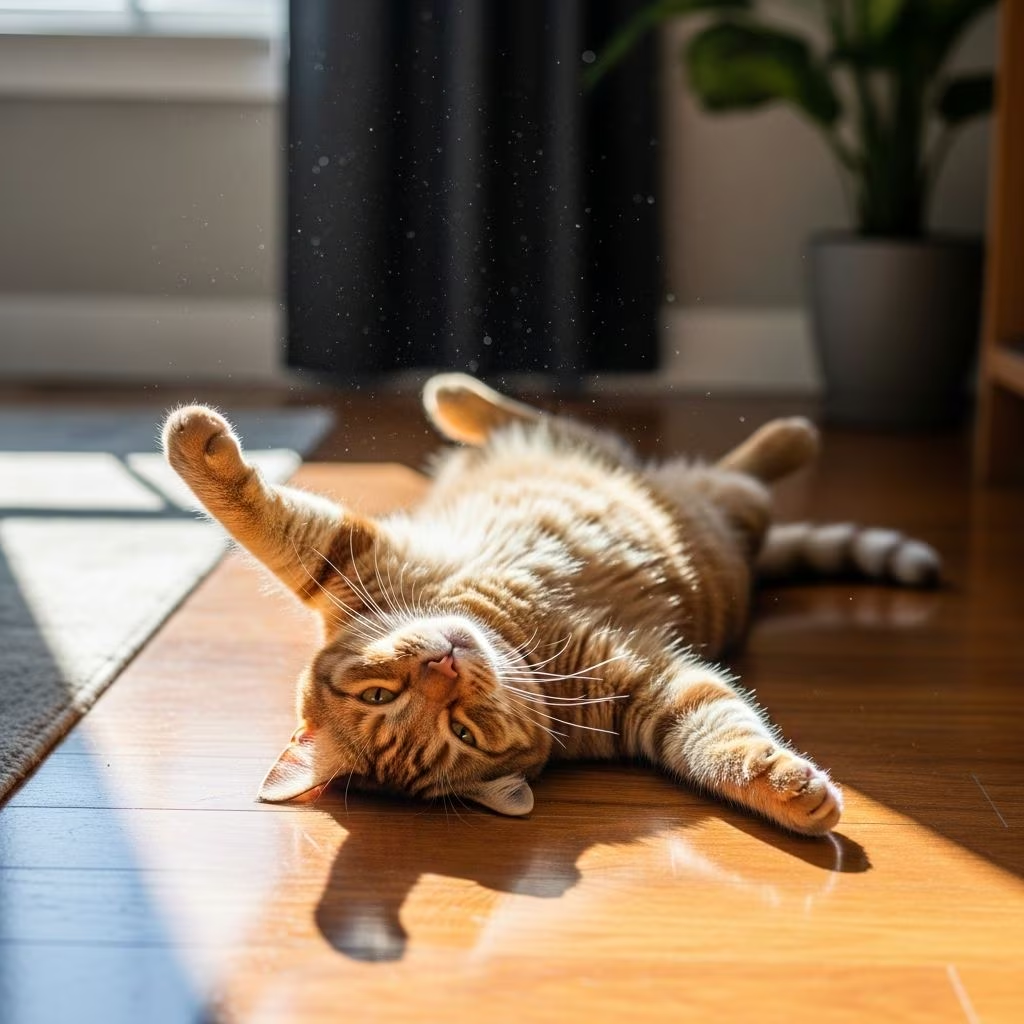
Cat owners often puzzle over why their felines choose the bare floor in high-traffic areas instead of plush beds or furniture. This behavior stems from instincts, comfort needs, and environmental factors. Understanding these **7 vet-verified reasons** helps decode your cat’s preferences and spot potential issues.
The 7 Reasons That Cats Lay in the Middle of the Floor
Cats exhibit this habit for practical and behavioral reasons. Here’s a breakdown:
1. It’s Cooler
In hot weather, cats sprawl on tile, hardwood, or linoleum to dissipate heat. Their bodies flatten to maximize contact with the cool surface, unlike curled positions that trap warmth. This is common in summer but rare in winter when they seek heat sources.
Tile floors excel at this due to thermal conductivity, but any smooth surface works. Watch for belly exposure and limbs splayed—this confirms cooling intent.
2. They’re Sunbathing
Cats love warmth from sunbeams filtering through windows. The floor in a sun patch becomes ideal for basking, absorbing solar heat. This mirrors wild cats lounging on warm rocks.
Positioned centrally, these spots catch direct light without furniture obstruction. Your cat may shift with the sun, chasing optimal warmth throughout the day.
3. They Trust You
Exposing their belly and sleeping openly signals deep trust. In the wild, vulnerability invites predators, but home safety lets domestic cats relax anywhere, including floor centers.
This understated affection shows your cat feels secure. Respond with gentle pets to strengthen the bond—avoid rough belly rubs unless invited.
4. They’re Strategically Located
Honed hunting instincts drive cats to prime observation posts. The floor’s middle offers 360-degree views for monitoring movement, sounds, or ‘prey’ like feet or toys.
Observe alert ears, swiveling head, or sudden pounces—these confirm tactical positioning. It’s territorial dominance, claiming the space as their domain.
5. Seeking Attention
High-traffic spots ensure visibility. Cats may flop dramatically to solicit pets, play, or interaction from passing humans.
This works well in busy homes. A soft chirp or nudge reinforces it, training owners to respond. It’s clever communication, not laziness.
6. You Move Too Much When You Sit With Your Cat
Furniture fidgeting disrupts naps. Cats prefer stable floors over shifting couches, especially in chaotic homes with kids or dogs.
Create a quiet retreat or sit stiller. Floors provide undisturbed rest amid activity.
7. Your Cat Might Be Sick or Hurt
Sudden floor preference with other signs warrants vet attention. Cats hide illness, using floors for easy access when jumping hurts.
- Hiding: Social cats isolating signal pain or nausea.
- GI signs: Vomiting, diarrhea, bloating.
- Appetite changes: Eating too little or much.
- Wounds: Visible injuries from fights or accidents.
- Limping: Altered gait from arthritis or injury.
Arthritis makes elevated spots painful, favoring flat floors. Monitor for lethargy or fur changes too.
Why the Middle Specifically?
Central floors maximize visibility, traffic, and even temperatures. Corners feel enclosed like wild hides, but openness shows confidence. It’s a vantage point without walls blocking views.
Is It Normal or a Problem?
Usually harmless—cats self-regulate comfort. Offer varied beds, but don’t force. Worry if paired with symptoms; early vet checks prevent issues.
| Normal Behavior Signs | Potential Health Red Flags |
|---|---|
| Consistent habit, playful, good appetite | Sudden change, hiding, limping |
| Sprawls in heat/sun, alert watching | Vomiting, weight loss, lethargy |
| Seeks pets in busy spots | Avoids touch, altered gait |
Tips to Encourage Bed Use
- Place beds in cool/warm spots matching preferences.
- Use heating pads or cooling mats.
- Scent beds with your items for familiarity.
- Try elevated or window perches for strategy.
- Ensure multiple options around home.
Patience works best—cats choose what suits them.
Frequently Asked Questions (FAQs)
Is it bad if my cat lays on the floor all the time?
No, if healthy and happy. It’s preference for temperature or position.
Why does my cat lay in the hallway?
High traffic for attention or strategy. Hallways are central observation points.
Should I worry if my old cat lays on the floor more?
Possibly arthritis—vet check for joint pain or mobility loss.
Why does my cat sprawl out on the floor?
Cooling off; maximizes body-floor contact in heat.
Does floor-lying mean my cat doesn’t like its bed?
Not always—experiment with locations and types.
Understanding Your Cat’s Quirks
These behaviors reveal instincts: thermoregulation, security, hunting. Observe context for tailored care. Floors offer unmatchable stability and access.
In multi-cat homes, it asserts territory. Kittens mimic mothers, learning openness means safety.
Enhance environment with scratching posts or toys nearby to blend rest and play.
References
- Why Does My Cat Always Lay In the Middle of the Floor? — Coziwow. 2023. https://coziwow.com/blogs/cats/why-does-my-cat-always-lay-in-the-middle-of-the-floor
- Why Do Cats Lay in the Middle of the Floor? 7 Vet-Verified Reasons — Catster. 2023. https://www.catster.com/cat-behavior/reasons-cats-lay-in-the-middle-of-the-floor/
- Where Your Cat Sleeps on Your Bed and What It Means — The Cattopia. 2023. https://www.thecattopia.com/blog/where-your-cat-sleeps-on-your-bed-and-what-it-means/
- 10 Cat Sleeping Positions: What Do They Mean? — Purina UK. 2023. https://www.purina.co.uk/articles/cats/behaviour/common-questions/cat-sleeping-positions



