

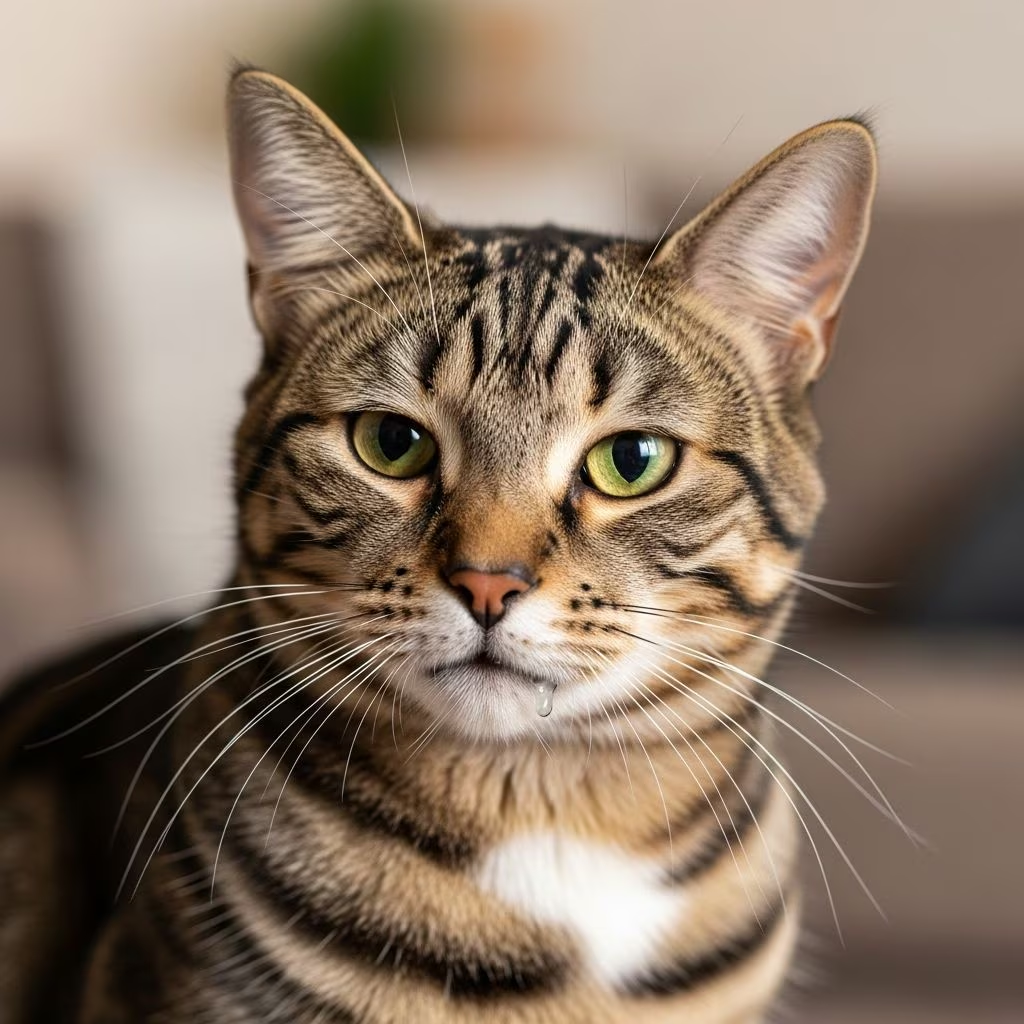
Cats drooling can range from a cute sign of contentment to a red flag for serious health issues. Understanding the difference is crucial for every cat owner to ensure their pet’s well-being. This comprehensive guide covers all possible causes, symptoms to watch for, diagnostic steps, treatments, and prevention strategies, helping you decide when to relax and when to call the vet.
Why Do Cats Drool?
Drooling, or hypersalivation (ptyalism), occurs when a cat produces more saliva than it can swallow. While humans drool occasionally, cats are adept at keeping saliva in check thanks to their swallowing reflexes. Excessive drooling often signals an underlying issue, but it can also be perfectly normal. Key factors include oral discomfort, nausea, toxins, or even extreme relaxation.
Normal Reasons Cats Drool
Not all drooling warrants concern. Some cats exhibit this behavior during moments of pure bliss or specific activities.
- Purring and Contentment: Many cats drool when deeply relaxed, such as during petting sessions or kneading on soft surfaces. This stems from early nursing instincts where suckling triggers saliva production. It’s common in affectionate breeds like Ragdolls or Maine Coons.
- When Eating or Smelling Strong Scents: Appetizing food or potent aromas like catnip can stimulate salivary glands, causing brief drooling. This is a natural response similar to human mouth-watering.
- Viewing Birds or Excitement: Cats fixated on prey through windows may drool from anticipation, combining excitement with the hunting instinct.
These instances are typically short-lived and unaccompanied by other symptoms. Observe your cat: if it’s happy, eating well, and energetic, normal causes are likely.
Abnormal Reasons Cats Drool
When drooling persists, increases, or pairs with distress, it’s time to investigate. Abnormal causes fall into several categories, often requiring veterinary intervention.
Dental and Oral Health Problems
The leading cause of excessive drooling in cats is dental disease, affecting up to 70% of cats over age three. Pain from these issues makes swallowing uncomfortable, leading to saliva buildup.
- Periodontal Disease and Gingivitis: Plaque and tartar buildup inflame gums, causing pain and infection. Symptoms include bad breath (halitosis), red/swollen gums, and reluctance to eat hard food.
- Tooth Resorption and Abscesses: Eroding tooth roots or infected tooth roots create severe pain. Cats may paw at their mouth or drop food.
- Stomatitis and Oral Ulcers: Chronic inflammation of mouth tissues or sores from burns/infections leads to profuse drooling, often bloody.
- Fractured Teeth or Trauma: Injuries from fights, falls, or chewing hard objects cause immediate drooling and pain.
Regular dental check-ups are vital, as these issues progress silently.
Nausea and Gastrointestinal Issues
Cats drool when nauseous, a protective mechanism to protect the esophagus. Common triggers include:
- Hairballs, dietary indiscretion, or food allergies causing stomach upset.
- Systemic diseases like kidney failure or hyperthyroidism, where toxin buildup induces nausea.
- Motion sickness during car rides, leading to drooling and vomiting.
Accompanying signs: lip licking, vomiting, or appetite loss.
Toxins and Poisoning
Curious cats ingest toxins, irritating the mouth or causing systemic effects. Examples:
- Household Plants: Lilies, philodendrons, azaleas cause oral burns and drooling.
- Chemicals: Cleaners, antifreeze, pesticides provoke immediate salivation.
- Medications: Human drugs like acetaminophen are toxic.
If suspected, contact Pet Poison Helpline (855-764-7661) immediately .
Upper Respiratory Infections and Other Illnesses
URIs from viruses/bacteria cause nasal congestion, forcing mouth breathing and drooling. Other culprits:
- Heatstroke: Panting and drooling in hot environments.
- Foreign Objects: Stuck debris in mouth/throat.
- Neurological Issues: Dysphagia or nerve damage impairs swallowing.
- Cancer or Tumors: Oral masses obstruct normal function.



