

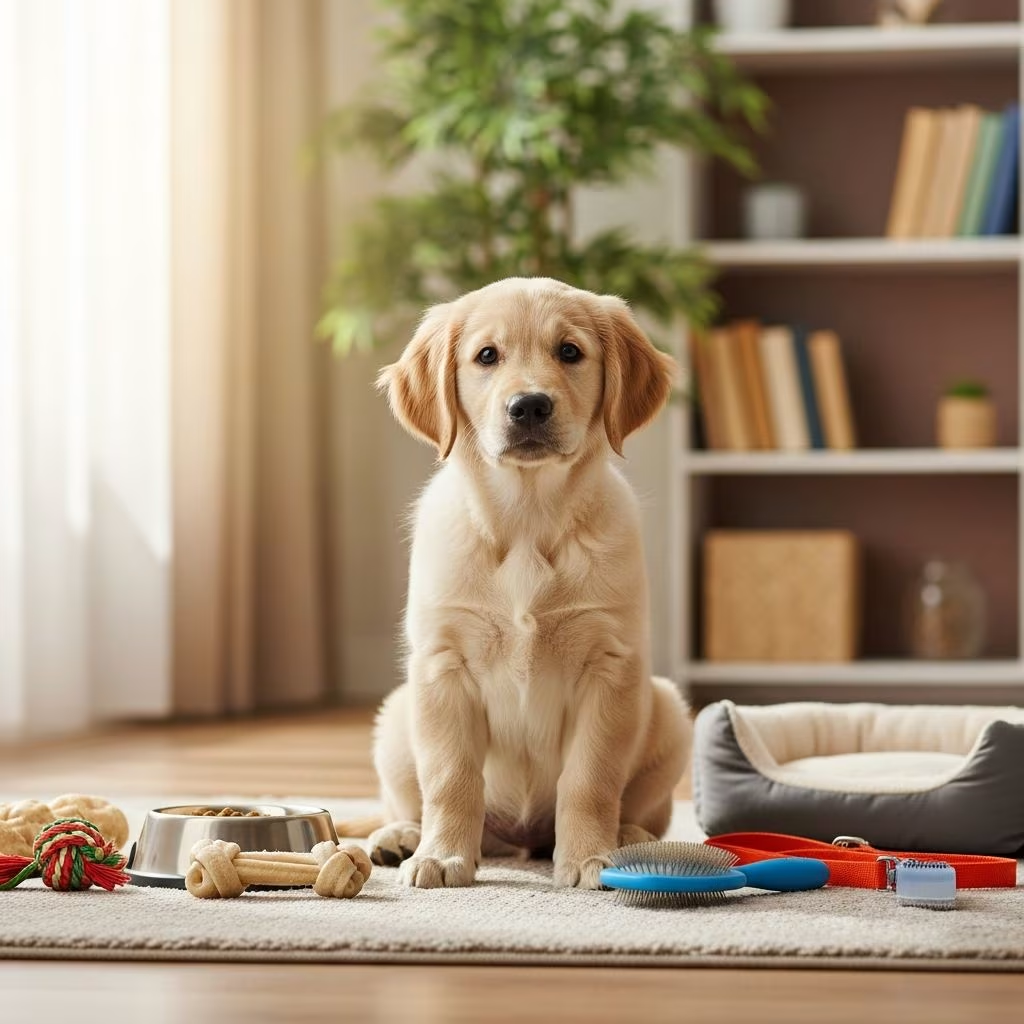
Bringing a dog into your home is a rewarding decision that demands thoughtful preparation. This guide helps prospective owners evaluate their circumstances and assemble everything needed for a thriving relationship with their canine companion.
Evaluating Your Lifestyle Fit
Before welcoming a dog, consider how your daily routine aligns with their needs. Dogs thrive on consistency, exercise, and social interaction, so assess your availability for walks, playtime, and training sessions.
- Time Commitment: Puppies require frequent potty breaks and up to 4 meals daily, while adults need at least two walks and mental stimulation.
- Activity Level: High-energy breeds like Border Collies demand 1-2 hours of exercise; sedentary lifestyles suit calmer breeds such as Bulldogs.
- Family Dynamics: Involve all household members in responsibilities to avoid surprises.
- Work Schedule: Dogs left alone over 6-8 hours may develop separation anxiety; plan for dog walkers or daycare if needed.
Travel frequency matters too—frequent trips require boarding options or a flexible pet sitter.
Financial Readiness Assessment
Dog ownership involves ongoing costs beyond the initial adoption fee. Budget for food, vet bills, grooming, and emergencies to avoid strain.
| Expense Category | Estimated Annual Cost (USD) | Notes |
|---|---|---|
| Food and Treats | $300-$1,000 | Depends on size and quality; premium brands for special diets add more. |
| Veterinary Care | $500-$1,500 | Includes vaccines, checkups, and preventatives like flea control. |
| Grooming and Supplies | $200-$600 | Toys, beds, leashes; professional grooming for long-haired breeds. |
| Training and Boarding | $200-$800 | Classes or sitters during absences. |
| Insurance/Emergencies | $300-$1,000 | Pet insurance covers unexpected illnesses or accidents. |
Total first-year costs often exceed $2,000, with subsequent years around $1,000-$2,500. Secure a pet insurance quote early.
Preparing Your Living Space
A safe environment prevents accidents and eases adjustment. Puppy-proofing is crucial for curious explorers.
- Secure Hazards: Tuck away cords, chemicals, and small objects; elevate trash cans and secure cabinets.
- Remove Toxins: Relocate houseplants like lilies or philodendrons, which are poisonous to dogs.
- Designate Zones: Create a puppy area with gates or a playpen for unsupervised time, stocked with bedding and toys.
- Outdoor Safety: Fence yards securely; check for gaps and toxic substances like antifreeze.
For apartments, noise considerations and pet policies are key—confirm lease terms allow dogs of your intended size.
Essential Supplies Checklist
Stock up on quality items tailored to your dog’s age, size, and breed. Prioritize durable, safe products.
- Identification: Collar with ID tags listing your contact info; consider microchipping for lost pet recovery.
- Feeding Gear: Stainless steel bowls for food/water; slow feeders prevent gulping in fast eaters.
- Comfort Items: Orthopedic bed sized appropriately; crate for training and safe space.
- Exercise Tools: 4-6 ft leash, harness for pullers, long line for recall practice.
- Grooming Kit: Slicker brush, nail clippers, pet-safe shampoo, toothbrush with enzymatic paste.
- Cleanup Essentials: Poop bags, enzymatic cleaners for accidents, lint rollers for fur.
- Enrichment: Puzzle toys, chew bones, interactive balls to combat boredom.
Match food to nutritional needs—puppies need growth formulas, seniors joint-support blends.
Health and Veterinary Planning
Proactive care ensures longevity. Schedule a vet visit within 72 hours of adoption.
- Core Vaccinations: Rabies, distemper, parvovirus—booster schedules vary by age.
- Parasite Prevention: Monthly flea/tick/heartworm meds; fecal exams for worms.
- Spay/Neuter: Discuss timing with vet to prevent health issues and unwanted litters.
- Emergency Prep: Locate 24/7 clinics; keep records of allergies or conditions handy.
Regular dental checks prevent costly extractions; brush teeth 3x weekly.
Mastering Basic Training Foundations
Training fosters safety and strengthens bonds. Use positive reinforcement—treats, praise—for best results.
- Crate Training: Introduces den-like security; feed meals inside to build positive associations.
- Housebreaking: Take out every 2-3 hours, after meals, and praise successes; consistency curbs accidents.
- Core Commands: Sit, stay, come, down, leave it—practice 5-10 min daily.
- Leash Manners: Reward loose-leash walking; stop if pulling to teach patience.
- Socialization: Expose to people, dogs, environments before 16 weeks for confident adults.
Enroll in group classes for professional guidance and playmates.
Building Daily Routines
Routines provide security and prevent behavioral issues like barking or destruction.
- Morning: Potty, breakfast, 20-30 min walk/play.
- Midday: Alone time in crate/zone with toys; arrange walks if gone long.
- Evening: Dinner, training session, relaxed walk, bedtime routine.
- Weekly: Bath/groom, long hike, vet check-ins as scheduled.
Monitor for stress signs like pacing or whining; adjust as needed.
Legal and Community Responsibilities
Obey local laws to be a considerate owner. Requirements vary by location.
- Licensing: Many areas mandate registration with proof of rabies vaccine.
- Leash Laws: Keep dogs controlled in public; clean up waste immediately.
- Breed Restrictions: Check HOA or rental rules on certain breeds.
- Noise Control: Train to minimize excessive barking for neighbor harmony.
Some states require microchip databases for added security.
Overcoming Common New Owner Hurdles
Challenges like chewing or anxiety are normal; persistence pays off.
- Chewing: Provide alternatives; redirect with toys during teething.
- Separation Issues: Gradual alone time buildup; calming aids if severe.
- Food Guarding: Hand-feed meals initially; consult trainer for aggression.
- Don’t Rush Breeds: Research traits—e.g., Labs are family-friendly, Akitas more independent.
Seek professional help early for persistent problems.
Frequently Asked Questions
What’s the best age to adopt a dog?
Puppies (8-12 weeks) allow shaping behaviors but demand more time; adults (1-3 years) often come house-trained.
How much exercise does a dog need daily?
30-120 minutes based on breed/age; mix walks, fetch, training.
Can I leave my dog alone all day?
Not ideally—max 4-6 hours for adults; puppies need company or services.
Is pet insurance worth it?
Yes, for covering accidents/surgeries after deductibles; shop for breed-specific plans.
How do I choose the right breed?
Match energy, size to your home/lifestyle; use quizzes from shelters.
Long-Term Commitment to Joyful Ownership
Dogs live 10-15 years, offering unwavering loyalty. Regular vet care, exercise, and love ensure mutual happiness. Reassess yearly as life changes.
References
- The Ultimate Checklist for New Pet Owners: Ensuring Health, Safety and Happiness — BC Pet Registry. 2023. https://bcpetregistry.ca/stories/information/the-ultimate-checklist-for-new-pet-owners-ensuring-health-safety-and-happiness/
- New Dog Owner Checklist: Essential Steps for a Smooth Transition — Halo Collar. 2024. https://www.halocollar.com/blog/dog-facts/new-dog-owner-checklist-essential-steps-for-a-smooth-transition/
- First Time Dog Owner? Your Complete Starter Checklist — Hounds Lounge. 2023. https://www.houndslounge.com/blog/first-time-dog-owner-checklist/
- A Checklist for New Dog Owners — Central Pet AZ. 2024. https://www.centralpetaz.com/blog/a-checklist-for-new-dog-owners
- How to Be a Responsible Dog Owner — PetPlace.com. 2023-10-15. https://www.petplace.com/article/dogs/pet-care/responsible-dog-ownership-checklist
- Responsible Dog Ownership — Petzyo. 2024. https://petzyo.com.au/blogs/health-wellbeing/responsible-dog-ownership
- A Pet Care Checklist For Responsible Pet Parents — The Melrose Vet. 2023. https://themelrosevet.com/blog/1091761-a-pet-care-checklist-for-responsible-pet-parents



