

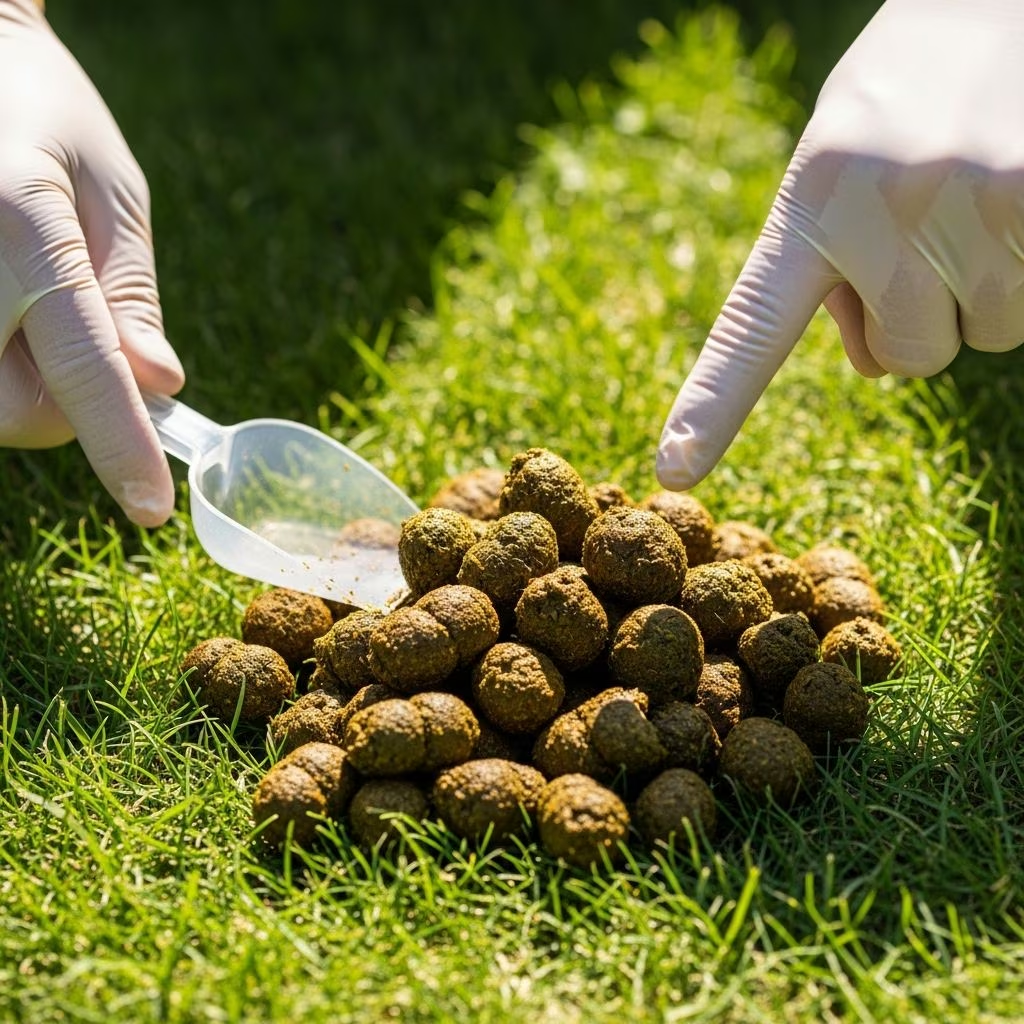
As a dog owner, you likely spend considerable time observing your pet’s bathroom habits. While it may not be the most glamorous aspect of pet ownership, your dog’s feces provide valuable insights into their digestive system and overall health. Veterinarians have long recognized that stool examination is one of the most informative diagnostic tools available, often revealing conditions that might otherwise go unnoticed. Understanding what constitutes normal stool and recognizing warning signs can help you catch health issues early and maintain your dog’s wellbeing.
Understanding Normal Canine Stool Characteristics
The appearance and consistency of your dog’s stool can tell you a great deal about their gastrointestinal health. Normal dog feces should be well-formed, dark brown in color, and relatively firm to the touch. The stool should hold together as a cohesive mass without being too hard or too soft. This consistency indicates that your dog’s digestive system is functioning properly and that their body is absorbing nutrients effectively.
Several factors influence what normal stool looks like for your individual dog, including breed, age, diet, and activity level. Puppies may have slightly softer stools than adult dogs as their digestive systems mature. Senior dogs may also experience changes in stool consistency as their metabolism shifts. The type and quality of food you feed your dog significantly impacts stool characteristics, with high-quality, digestible diets typically producing smaller, firmer stools compared to lower-quality feeds.
Frequency of bowel movements varies among individual dogs but typically ranges from once to three times daily. Most adult dogs establish a consistent pattern, and any significant deviation from your dog’s normal routine warrants attention. Keeping a mental note of your dog’s typical bowel movement schedule helps you recognize when something has changed.
Identifying Warning Signs Through Stool Appearance
Changes in your dog’s feces often signal underlying health problems. Diarrhea—characterized by loose, watery, or unformed stool—represents one of the most common digestive complaints. While occasional loose stools may result from dietary indiscretion or minor stress, persistent diarrhea lasting more than a day or two requires veterinary attention.
Blood in the stool indicates a more serious concern. Bright red blood suggests bleeding in the lower digestive tract, while dark, tar-like stool indicates bleeding higher up in the digestive system. Either type of bloody stool warrants prompt veterinary evaluation. Similarly, the presence of mucus coating the stool may indicate intestinal inflammation or parasitic infection.
Constipation, the opposite problem, occurs when your dog produces hard, dry, or infrequent stools. This condition can result from dehydration, insufficient dietary fiber, or certain medical conditions. Straining during bowel movements or the inability to produce stool requires veterinary investigation.
Pale or grayish stools may indicate problems with bile production or fat absorption. Greasy or oily-appearing stool suggests your dog’s digestive system is not properly absorbing dietary fats. Any dramatic color changes, such as stools that are predominantly yellow, green, or unusually dark, should prompt a call to your veterinarian.
Recognizing Parasitic Infections Through Observable Signs
Parasitic infections represent one of the most common conditions affecting dogs, and fecal examination often reveals their presence. In some cases, you may actually observe parasites or parasite segments in your dog’s stool or around their anal area without requiring laboratory analysis. Tapeworm segments, for instance, appear as small, rice-like pieces and may be visible in fresh stool or on your dog’s rear end.
Beyond visible signs, parasitic infections typically produce characteristic changes in stool consistency and appearance. Dogs with parasitic infections frequently experience diarrhea, though some may maintain relatively normal stool consistency despite harboring significant parasite loads. Additional symptoms of parasitic infection include vomiting, lethargy, poor coat quality, abdominal bloating, and pale gums.
Many dogs infected with intestinal parasites show no obvious external symptoms, making them appear healthy despite internal parasitic burdens. This silent nature of parasitic infection underscores why regular fecal testing is essential—you cannot always detect these problems through observation alone.
The Role of Fecal Testing in Veterinary Diagnosis
While visual stool examination provides valuable preliminary information, professional fecal testing offers definitive diagnosis of many gastrointestinal conditions. A fecal test is a diagnostic procedure where your veterinarian analyzes a sample of your dog’s stool to detect parasites, bacteria, and other abnormalities that may indicate underlying health issues.
Veterinarians employ several different fecal testing methods depending on the suspected condition and desired level of diagnostic certainty. Understanding these approaches helps you appreciate why your vet may recommend specific tests:
- Fecal Flotation: The most commonly performed fecal test, flotation involves mixing the stool sample with a special solution that causes parasite eggs and protozoa to float to the surface, where they become visible under a microscope. This 20-minute test effectively detects most common intestinal parasites but may miss certain infections.
- Fecal Smear: This technique involves placing a thin layer of stool directly onto a microscope slide for examination. Smears are particularly useful for identifying bacteria, certain parasites, and assessing the types of white blood cells present in the intestines.
- Fecal Culture: When bacterial infection is suspected, veterinarians may culture a stool sample in a laboratory environment to identify the specific bacteria present and determine which antibiotics will be most effective for treatment.
- Molecular Testing (PCR): Advanced polymerase chain reaction testing analyzes the genetic material of microorganisms to identify specific parasites and bacteria that might be missed by traditional microscopic methods.
- SNAP Tests: These rapid diagnostic tests can be performed in the veterinary clinic and provide results within approximately eight minutes for infections such as parvovirus and giardia.
Common Conditions Detected Through Fecal Analysis
Fecal testing helps identify a wide range of parasitic and bacterial infections affecting your dog’s digestive health. Common parasites detected through fecal examination include roundworms, hookworms, whipworms, tapeworms, coccidia, and giardia. Each of these parasites can significantly impact your dog’s health, causing malnutrition, dehydration, and other serious complications if left untreated.
Bacterial infections such as Campylobacter and Salmonella may be identified through fecal culture and testing, even when these pathogens do not produce obvious external symptoms. Some viral infections, including parvovirus, can also be detected through specialized fecal testing methods.
Beyond infectious agents, fecal analysis can reveal signs of inflammatory bowel disease, malabsorption disorders, and other chronic gastrointestinal conditions. Microscopic examination often reveals increased white blood cells or unusual cellular infiltrates that indicate intestinal inflammation. Elevated numbers of clostridial spores or yeast may signal bacterial or fungal overgrowth requiring specific treatment approaches.
Establishing an Effective Parasite Prevention and Testing Schedule
Regular fecal testing forms an essential component of comprehensive preventive veterinary care. Puppies should undergo three to four fecal examinations during their first year of life as their immune systems develop and they establish their adult parasite status. This frequent testing schedule during the juvenile period helps identify and treat parasitic infections before they can compromise your puppy’s growth and development.
Adult dogs benefit from at least two fecal examinations annually as part of routine wellness screening. Some veterinarians recommend testing every six months, particularly for dogs with environmental exposure to other animals or those in high-risk areas. Dogs with a history of parasitic infection, those that spend significant time outdoors, and dogs that interact regularly with other animals may require more frequent testing.
Fecal testing serves a crucial role in verifying the effectiveness of parasite prevention medications. Even dogs receiving regular preventive treatments can occasionally acquire parasitic infections, and fecal testing confirms that your prevention strategy is working effectively. If parasites are detected despite prevention efforts, your veterinarian can adjust your dog’s protocol or investigate potential gaps in parasite exposure.
Collecting Stool Samples for Veterinary Examination
Proper stool sample collection ensures accurate test results. Your veterinarian will typically request a fresh sample, ideally collected within 24 hours of the appointment. Use a clean plastic bag or disposable container to collect the sample, gathering approximately a tablespoon of stool or enough material for thorough laboratory examination.
Avoid mixing stool with urine, dirt, or other contaminants, as these substances can interfere with test accuracy. If possible, collect the sample from the center of the bowel movement rather than the outer surfaces. Store the sample in a cool location, such as a refrigerator, if you cannot bring it to your veterinary clinic immediately, though fresh samples always provide the most reliable results.
If you are uncertain about proper collection techniques, do not hesitate to ask your veterinarian for specific guidance. Veterinary staff members can often provide collection kits or detailed instructions to ensure you gather an appropriate sample.
Understanding Test Results and Treatment Recommendations
Fecal test results typically return within a few days, though SNAP tests provide immediate results in the clinic setting. Your veterinarian will review results with you and explain what parasites or abnormalities were identified. If parasites or infections are detected, your veterinarian will prescribe appropriate treatment medications tailored to the specific organisms present.
Follow-up fecal testing after treatment ensures that deworming medications or other interventions successfully eliminated the infection. This verification step typically occurs two to four weeks after treatment completion. Successfully clearing parasitic infections prevents complications and protects both your dog’s health and your family’s wellbeing, as some parasites can transmit to humans.
Preventing Gastrointestinal Problems Through Proper Nutrition
Diet significantly influences stool quality and gastrointestinal health. High-quality, digestible dog foods typically produce firmer, smaller stools compared to lower-quality diets containing excessive fillers or low-quality ingredients. Sudden dietary changes can upset your dog’s digestive system, causing temporary loose stools, so transitions to new foods should occur gradually over seven to ten days.
Adequate dietary fiber supports healthy bowel movements and stool consistency. However, excessive fiber may also cause loose stools in some dogs. Your veterinarian can recommend appropriate fiber levels for your individual dog based on their age, activity level, and any existing gastrointestinal conditions.
Proper hydration supports digestive health and helps prevent constipation. Ensure your dog has constant access to fresh, clean water throughout the day. Dogs engaging in regular exercise, eating dry food diets, or living in warm climates require additional water intake.
When to Seek Immediate Veterinary Care
While many stool changes resolve with minor dietary adjustments or veterinary guidance, certain situations require immediate professional attention. Seek emergency veterinary care if your dog experiences severe diarrhea lasting more than 24 hours, particularly if accompanied by vomiting, lethargy, or loss of appetite. Significant blood in the stool, signs of severe abdominal pain, or inability to defecate also warrant emergency evaluation.
Puppies and senior dogs are particularly vulnerable to severe complications from gastrointestinal problems and should receive prompt veterinary attention for persistent stool changes. Dogs with pre-existing medical conditions or those taking medications should also be evaluated quickly when stool abnormalities develop, as these changes may indicate medication side effects or disease progression.
Frequently Asked Questions About Dog Stool Health
How often should my dog have bowel movements?
Most adult dogs have one to three bowel movements daily, with most establishing a consistent pattern. The exact frequency depends on individual metabolism, diet, age, and activity level. Track your dog’s normal pattern to recognize when changes occur.
Is it normal to see undigested food in my dog’s stool?
Small amounts of undigested food occasionally appear in normal stool, but regular presence may indicate digestive inefficiency. This could result from eating too quickly, poor food quality, or underlying digestive problems requiring veterinary evaluation.
Can I determine if my dog has parasites without fecal testing?
While some parasites like tapeworms may be visible in stool or around the anal area, many parasitic infections produce no obvious external signs. Professional fecal testing remains the most reliable diagnostic method for identifying most intestinal parasites.
What should I do if I notice blood in my dog’s stool?
Contact your veterinarian promptly. While occasional minor bleeding might result from minor irritation, consistent blood in stool warrants professional evaluation to rule out serious conditions.
How do I prevent parasitic infections in my dog?
Regular fecal testing, appropriate parasite prevention medications, good hygiene practices, and limiting exposure to contaminated environments help prevent parasitic infections. Discuss prevention strategies specific to your dog’s lifestyle with your veterinarian.
References
- Fecal Testing for Dogs: What They Are and Why They Are Important — Midtown Veterinary Practice. 2024. https://midtownveterinarypractice.com/blog/fecal-testing-for-dogs/
- Fecal Tests for Dogs: What Are They, and Why Are They Important? — PetMD, Dr. Rhiannon Koehler, DVM. September 30, 2024. https://www.petmd.com/dog/procedure/fecal-tests-for-dogs
- The Importance of Fecal Testing for Your Pet’s Health — Buckeystown Veterinary Clinic. 2024. https://buckeystownvet.com/pet-wellness-preventive-care/the-importance-of-fecal-testing-for-your-pets-health/
- Optimal fecal assessment — National Center for Biotechnology Information (NCBI/PMC). 2020. https://pmc.ncbi.nlm.nih.gov/articles/PMC7128082/
- What to Know About Dog Fecal Tests — American Kennel Club. 2024. https://www.akc.org/expert-advice/health/dog-fecal-tests/
- Fecal Exams — Kansas State Veterinary Health Center. 2024. https://www.ksvhc.org/services/pet-health-center/fecal-exam.html
- Understanding Fecal Exams: A Key to Your Pet’s Health — Elon Oaks Veterinary Hospital. 2024. https://elonoaksvet.com/blog/understanding-fecal-exams-a-key-to-your-pets-health/
- Fecal testing for dogs and cats — IDEXX Laboratories. 2024. https://www.idexx.com/en/veterinary/reference-laboratories/fecal-testing/



