

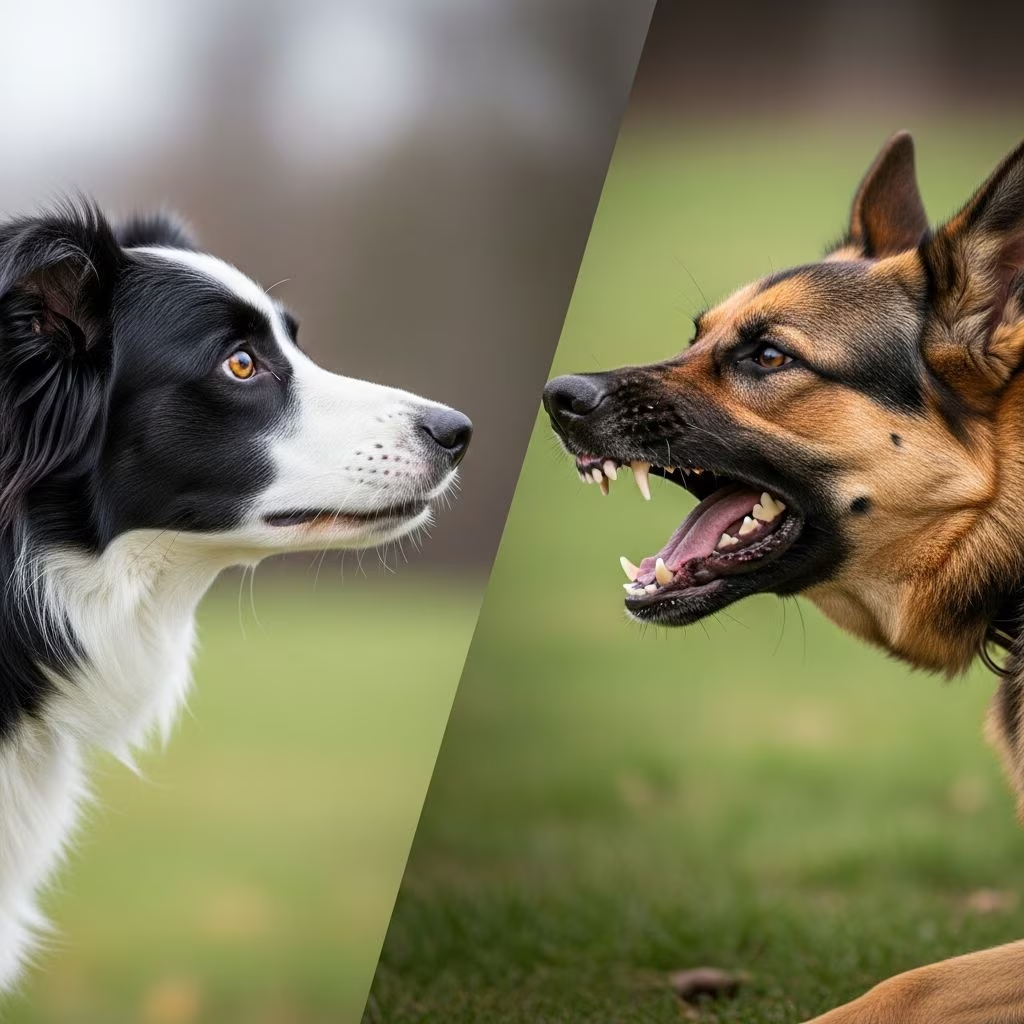
Many dogs bark, growl, or lunge at times, and it can be hard to know whether you are seeing reactivity or true aggression. Understanding the difference is essential for keeping everyone safe, lowering your dog’s stress, and choosing the right training and behavior support.
This guide explains what reactive and aggressive behavior are, how to tell them apart, why the distinction matters, and what you can do to help your dog feel more secure and in control.
What Is a Reactive Dog?
A reactive dog is one who responds to everyday situations with an out-of-proportion emotional reaction. The behavior is usually driven by strong emotions like fear, anxiety, frustration, or overexcitement, rather than a clear intent to cause harm.
Common Triggers for Reactivity
Reactive dogs often overreact to specific, recognizable triggers. These may include:
- Other dogs (especially when on leash)
- Strangers or unfamiliar people
- Fast-moving objects such as bikes, skateboards, or joggers
- Loud or sudden noises (thunder, fireworks, trucks)
- Unfamiliar environments or crowded places
- Barriers such as fences, windows, or car doors
Typical Signs of a Reactive Dog
Reactivity can look intense and alarming from the outside, even when the dog is not trying to be dangerous. Behaviors often include:
- Excessive barking or whining at a trigger
- Lunging or pulling hard on the leash
- Pacing, spinning, or jumping
- Struggling to focus on the handler or respond to cues
- Changes in body language such as dilated pupils, tense muscles, or ears pinned back
Typically, once the trigger moves away or the dog is removed from the situation, the behavior reduces and the dog gradually settles.
Why Dogs Become Reactive
Reactivity is not a personality flaw or stubbornness. It usually stems from one or more of the following causes:
- Fear or anxiety: A dog feels unsafe and tries to create distance.
- Frustration: The dog wants to reach something (like another dog) but is restricted by a leash or barrier.
- Overexcitement: The dog becomes so aroused by a trigger that self-control temporarily disappears.
- Lack of early socialization: Limited, poor, or overwhelming experiences as a puppy can make ordinary stimuli feel threatening later in life.
- Previous negative experiences: A scary encounter, such as being attacked by another dog, can sensitize the dog to similar situations.
What Is an Aggressive Dog?
Aggression refers to behavior that is intended to threaten, push away, or potentially harm another animal, person, or target. It exists on a spectrum, from warning signals to actual biting, and is a normal part of canine behavior in some contexts.
Forms and Functions of Aggression
Aggressive behavior usually has a goal, such as increasing distance from a threat or protecting something valuable. Common types include:
- Fear or defensive aggression: The dog feels trapped or unsafe and uses aggression to protect itself.
- Territorial aggression: Directed at intruders near the home, yard, or car.
- Resource guarding: Protecting food, toys, resting spots, or people.
- Protective aggression: Guarding family members or familiar animals.
- Maternal aggression: Protecting puppies or a nest site.
- Pain-related aggression: Triggered by illness, injury, or chronic discomfort.
Common Signs of Aggression
Aggression can start with subtle warnings and escalate if those warnings are ignored or punished. Typical signs include:
- Hard, fixed staring at the target
- Growling, snarling, or showing teeth
- Body stiffening with raised hackles and high tail
- Forward weight shift and direct approach
- Snapping or biting
- Continuing to pursue or threaten even after the trigger backs away
“True” offensive aggression, especially without clear triggers, is less common than fear-based or defensive aggression, but it requires careful management and professional support.
Reactivity vs Aggression: Key Differences
Reactivity and aggression can look alike because both may involve barking, lunging, or growling. The main difference lies in the dog’s underlying motivation, patterns, and intensity over time.
| Aspect | Reactive Dog | Aggressive Dog |
|---|---|---|
| Core motivation | Heightened emotional arousal (fear, frustration, excitement) without clear intent to harm. | Intent to threaten, gain distance, or cause harm when necessary. |
| Triggers | Usually specific and predictable (dogs, people, noises, certain places). | Can be clear or appear unpredictable; may generalize to many contexts. |
| Body language | Barking, lunging, whining, pacing, sometimes wagging tail, ears back or forward. | Stiff posture, fixed stare, lips lifted, snarling, snapping, biting, high or rigid tail. |
| Recovery time | Often calms once the trigger is out of sight or at a distance. | May remain agitated or escalate despite changes in the situation. |
| Typical context | Common on leash, behind barriers, or in new environments. | Can appear in many settings, including home, yard, or familiar places. |
Overlap Between Reactivity and Aggression
A dog can be both reactive and aggressive. For example, a fearful dog who barks and lunges when another dog approaches may start with reactive behavior and escalate to snapping or biting if the other dog does not move away.
Because of this overlap, behavior professionals focus less on labels and more on the dog’s body language, triggers, and environment to determine the safest and most effective plan.
Can Reactivity Turn Into Aggression?
Reactivity does not automatically mean a dog is dangerous, but it can develop into defensive aggression over time, especially if the dog repeatedly feels that its warnings are ignored or punished.
How Escalation Happens
Escalation often follows a predictable pattern:
- The dog encounters a trigger (another dog, a stranger, a loud noise).
- The dog shows early signs such as staring, tension, or low growls.
- If the trigger does not move away, the dog may bark or lunge to increase distance.
- Over time, the dog learns that more intense behavior (snapping, biting) makes the trigger retreat faster.
When a dog is regularly overwhelmed, its brain spends more time in a high-arousal “fight, flight, or freeze” state, leaving less capacity for calm thinking and training.
Why It Is Important to Intervene Early
Addressing reactivity before it progresses helps to:
- Reduce the risk of bites or serious incidents
- Lower stress for both dog and owner
- Preserve and rebuild positive associations with triggers
- Make walks, vet visits, and everyday life more manageable
Early, supportive intervention also reduces the likelihood that families will consider rehoming or euthanasia due to behavior problems, a concern frequently noted by humane organizations.
How to Tell If Your Dog Is Reactive or Aggressive
Only a qualified professional can make a formal behavior assessment, but you can start by observing patterns in your dog’s responses.
Questions to Ask Yourself
- What sets off the behavior? Is it usually the same types of triggers?
- How quickly does your dog recover? Do they calm after the trigger leaves, or stay agitated for a long time?
- What does the body language say? Look for stiffness, freezing, or intense staring versus loose, wiggly movement.
- Is the goal to move away or to move into the conflict? Many reactive dogs want space, while some aggressive dogs move forward despite warnings.
- Is there a medical issue? Sudden changes in behavior or increased irritability can be linked to pain or illness and should be evaluated by a veterinarian.
Helping a Reactive Dog
Reactivity can often be improved with consistent, humane training and careful management. Evidence-based approaches focus on changing the dog’s emotional response, not just suppressing outward behavior.
Management Strategies
Management aims to prevent your dog from going over threshold until they have better skills and calmer associations:
- Walk during quieter times of day or in less crowded areas.
- Use visual barriers (such as cars, hedges, or distance) to avoid direct confrontations.
- Provide equipment that improves control and safety, like a secure harness and fixed-length leash.
- Avoid punishment-based tools that add fear or pain, which can increase reactivity and aggression.
Training and Behavior Modification
Training plans for reactive dogs typically include:
- Counterconditioning: Pairing triggers at a safe distance with high-value rewards so the dog starts to feel more positive or neutral about them.
- Desensitization: Gradually exposing the dog to low-intensity versions of the trigger, increasing difficulty only when the dog remains relaxed.
- Teaching alternate behaviors: Reinforcing looking at the handler, turning away, or walking calmly past triggers.
- Improving coping skills: Games and exercises that build focus, impulse control, and relaxation.
Partnering with a certified rewards-based trainer or veterinary behaviorist ensures that your plan is safe and tailored to your individual dog.
Helping an Aggressive Dog
Aggression, especially when there is a history of bites or severe threats, is a safety issue and requires professional guidance. Do not attempt to confront or “dominate” an aggressive dog, as this can make behavior more dangerous.
First Steps for Safety
- Consult your veterinarian to rule out or treat pain and medical conditions.
- Use physical barriers (baby gates, crates, secure fencing) to prevent access to triggers.
- Manage high-risk situations (visitors, children, dog parks) conservatively.
- Consider muzzle training with a basket muzzle using positive methods so the dog associates it with comfort and rewards.
Professional Support
Evidence-based guidelines from veterinary organizations emphasize that behavior modification for aggression should be led by qualified professionals and rely on humane, low-stress methods.
- Veterinary behaviorist or behavior-focused veterinarian: Can assess medical and behavioral factors, design a plan, and prescribe medication if appropriate.
- Certified dog behavior consultant or positive reinforcement trainer: Can implement training exercises, coach you on reading body language, and adjust strategies as your dog progresses.
In some cases, medication may be recommended to lower underlying anxiety or arousal, making it easier for the dog to learn new, safer responses.
Living With a Reactive or Aggressive Dog
Sharing your life with a reactive or aggressive dog can be emotionally draining, but many families successfully create safe, fulfilling routines through informed management and realistic expectations.
Supporting Your Dog Day to Day
- Build predictable routines around meals, walks, and rest.
- Offer enrichment such as scent games, food puzzles, and gentle training sessions that do not involve triggers.
- Give your dog safe spaces to retreat, such as a quiet room or covered crate.
- Advocate for your dog in public by asking for space and declining interactions that feel risky.
Taking Care of Yourself
It is normal to feel embarrassed, frustrated, or worried when your dog has big reactions. Seeking support from trainers, veterinarians, and behavior-aware communities can help you feel less alone and more confident in your plan.
Frequently Asked Questions (FAQs)
Q: Is a reactive dog dangerous?
A: Not all reactive dogs are dangerous, but intense reactivity can increase the risk of bites if the dog feels trapped or ignored. Early intervention, management, and positive training greatly reduce this risk and help prevent escalation into aggression.
Q: Can a reactive dog become a calm, well-behaved pet?
A: Many reactive dogs make significant progress with consistent training, careful exposure to triggers at safe distances, and supportive routines. While some may always need extra management, they can still enjoy walks, enrichment, and close bonds with their families.
Q: Should I punish my dog for barking or lunging?
A: Punishment can suppress outward behavior temporarily but often increases fear and anxiety, which are major drivers of reactivity and aggression. Humane organizations and veterinary behavior specialists recommend reward-based methods that change how the dog feels about triggers rather than simply stopping the noise.
Q: When should I call a professional about my dog’s behavior?
A: Seek professional help if your dog has bitten or come close to biting, if you feel unsafe, or if reactivity interferes with everyday life. Consulting early with a veterinarian or certified behavior professional leads to better outcomes and safer management for everyone.
Q: Is aggression always caused by bad training or poor ownership?
A: No. Genetics, early life experiences, health conditions, environment, and learning history all contribute to behavior. While human choices play a role, many aggressive or reactive dogs are loved, well-cared-for pets who simply need specialized support and understanding.
References
- Understanding the Difference Between Reactivity and Aggression — American Kennel Club. 2023-03-15. https://www.akc.org/expert-advice/training/reactivity-vs-aggression/
- Reactivity and aggression in dogs — Animal Humane Society. 2022-08-10. https://www.animalhumanesociety.org/resource/reactivity-and-aggression-dogs
- Reactivity vs. Aggression in Dogs: Understanding the Difference and Why It Matters — Noble Beast Dog Training. 2021-09-01. https://www.noblebeastdogtraining.com/reactivity-vs-aggression-in-dogs-why-understanding-the-difference-matters-and-how-noble-beast-can-help
- Reactive Dogs and Aggressive Dogs: Not the Same Thing — The Gentle Vet. 2023-05-20. https://www.thegentlevetdvm.com/blog/reactive-dogs-and-aggressive-dogs-not-the-same-thing/
- AVSAB Position Statement on Humane Dog Training — American Veterinary Society of Animal Behavior. 2021-10-01. https://avsab.org/resources/position-statements/



