

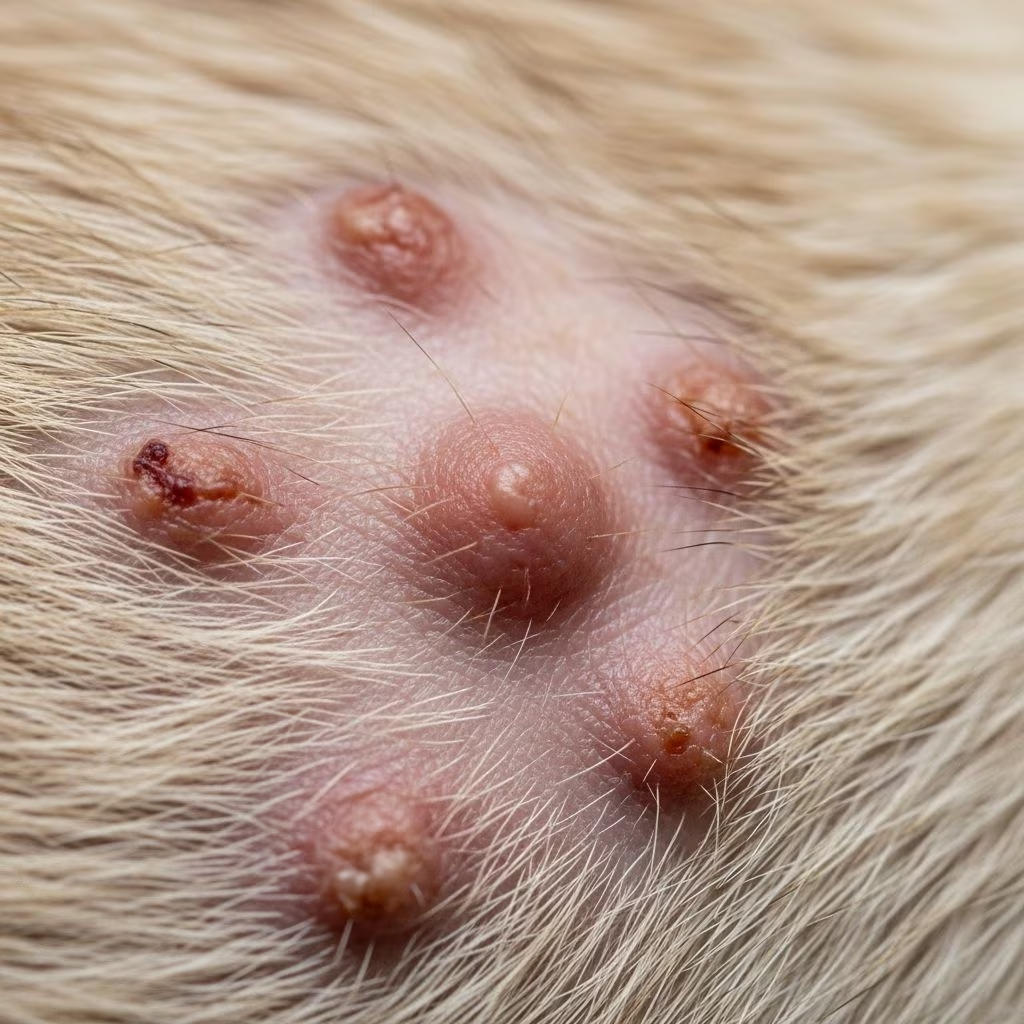
Understanding Cutaneous and Reactive Histiocytosis in Dogs
Cutaneous histiocytosis, also known as reactive histiocytosis, is a relatively uncommon condition in dogs characterized by abnormal proliferation of dendritic cells in the skin. This condition represents a localized immune response to various triggers and typically manifests as skin lesions or lumps. Unlike malignant histiocytic conditions, reactive histiocytosis is generally not life-threatening but can cause significant discomfort and may require long-term management to control symptoms and prevent recurrence.
The condition falls under the broader category of histiocytic diseases in dogs, which include both benign and malignant variants. Understanding the differences between these conditions is crucial for proper diagnosis and appropriate treatment selection. Reactive histiocytosis represents the non-neoplastic end of the spectrum and typically responds well to medical management when treatment is indicated.
What Is Histiocytosis in Dogs?
Histiocytosis encompasses a group of disorders involving abnormal proliferation of histiocytes, which are specialized cells of the immune system. These cells function as part of the body’s defense mechanism and play important roles in antigen presentation and immune regulation. When dysregulation occurs, histiocytes can accumulate abnormally, leading to various clinical manifestations depending on the type and severity of the disease.
The condition can be categorized into different forms based on the location and extent of involvement:
– Cutaneous histiocytosis: Limited primarily to the skin- Systemic histiocytosis: Affects multiple organ systems throughout the body- Histiocytic sarcoma: A more aggressive malignant form with poor prognosis
Cutaneous histiocytosis is the most common benign form and is characterized by the proliferation of dendritic cells within the dermis and epidermis of the skin.
Clinical Signs and Symptoms
Dogs with cutaneous histiocytosis typically present with variable skin lesions that can appear suddenly or develop gradually over time. The lesions often have a distinctive appearance and behavior pattern that can help veterinarians with diagnosis.
Common clinical signs include:
– Red, inflamed skin lesions or plaques- Nodules or lumps that may vary in size from a few millimeters to several centimeters- Lesions that may ulcerate, particularly if the dog licks or traumatizes them- Overlying skin ulceration that can lead to secondary bacterial infection- Lesions distributed across various body locations- Spontaneous regression of some lesions while new ones appear at different sites- Potential involvement of the nasal planum or nares in some cases
The lesions are often pruritic, meaning they cause itching and discomfort. Affected dogs may lick or chew at the lesions, potentially leading to secondary complications such as bacterial infections. The distribution and appearance of lesions can vary significantly between individual dogs, making visual diagnosis challenging without histopathological confirmation.
Causes and Risk Factors
The exact etiology of cutaneous histiocytosis remains incompletely understood, but current evidence suggests that the condition develops as a result of immune system dysregulation. Unlike infectious or allergic causes that trigger specific immune responses, reactive histiocytosis appears to reflect an aberrant response of the immune system characterized by abnormal proliferation of histiocytes.
Certain factors may predispose dogs to developing this condition:
– Genetic predisposition in certain breeds- Previous or concurrent dermatological diseases- Immune system imbalances or dysfunction- Environmental triggers or stressors- Potential seasonal influences, though research shows inconsistent findings
Some breeds may have increased susceptibility to histiocytic diseases, suggesting a genetic component to disease development. Additionally, dogs with other skin conditions may be at higher risk, though the exact relationship remains unclear. Understanding these risk factors can help veterinarians identify at-risk patients for earlier intervention and monitoring.
Diagnosis and Diagnostic Tests
Accurate diagnosis of cutaneous histiocytosis requires correlation of clinical signs, history, and histopathological examination. Visual appearance alone is insufficient because several other skin conditions can present similarly.
Diagnostic approach includes:
– Physical examination: Thorough assessment of skin lesions, their distribution, and characteristics- Skin biopsy: Histopathological examination is the gold standard for diagnosis, typically performed via punch biopsy of affected tissue- Immunohistochemical staining: Helps solidify the diagnosis by identifying the specific cell types involved and differentiating reactive histiocytosis from other histiocytic disorders- Culture and sensitivity tests: May be performed if secondary bacterial infection is suspected- Dermatophyte testing: To rule out fungal infections that may mimic histiocytosis
Immunohistochemical analysis is particularly valuable because it identifies the specific cell of origin (dendritic cells, Langerhans cells, or macrophages) and can differentiate reactive from neoplastic processes. This precision is essential for determining the most appropriate treatment strategy and predicting prognosis. Multiple biopsies from different lesions may be necessary to ensure accurate diagnosis.
Treatment Options
Treatment of cutaneous histiocytosis depends on several factors including the extent of disease, severity of clinical signs, and individual dog response to therapy. Not all cases require immediate treatment, as some lesions may regress spontaneously.
Initial Treatment Approaches
For dogs with multiple or recurrent lesions, immune-modulating drugs are generally the first line of treatment. Several medications have demonstrated efficacy in managing this condition.
Common initial treatment options include:
– Prednisone (glucocorticoid) with or without antibiotics- Tetracycline combined with niacinamide (vitamin B3)- Prednisone combined with azathioprine- Cyclosporine therapy- Topical treatments for localized lesions
Large doses of corticosteroids are generally effective in inducing remission in many dogs with cutaneous histiocytosis. However, the variability in individual response to these medications necessitates a tailored approach. Research shows that approximately 50% of dogs experience partial or complete response to immunosuppressive corticosteroid doses, though some dogs fail to respond adequately.
Surgical Management
Surgical removal of lumps can be considered for small or solitary lesions. Surgical excision may result in complete resolution of individual lesions, particularly when the disease is localized. However, surgical removal does not guarantee that new lesions will not develop elsewhere on the body. The reactive nature of the condition means that addressing one site does not prevent the immune dysregulation from manifesting at other locations. Therefore, surgery is best reserved for cosmetically problematic or functionally impairing solitary lesions rather than as a definitive treatment for the underlying disease.
Long-Term Maintenance Therapy
Medical management generally consists of both an initial phase aimed at inducing remission and a long-term maintenance phase where medication dosages are gradually tapered while the dog is monitored for recurrence. This staged approach helps minimize medication side effects while maintaining disease control.
Maintenance therapy options include:
– Tetracycline with niacinamide, often with added vitamin E or essential fatty acids- Cyclosporine therapy, potentially given intermittently (two to three times weekly)- Azathioprine on a daily or intermittent basis- Low-dose prednisone or prednisone combined with other immunosuppressants
Adjunctive therapies such as azathioprine, tetracycline/niacinamide combinations, or cyclosporine are helpful in decreasing the need for high doses of corticosteroids and their associated side effects. In some dogs, immunosuppressive therapy can be slowly decreased over several months and eventually stopped, but in most cases intermittent or continuous therapy is necessary to maintain remission. A recent article reported the use of milder immunomodulating medications such as tetracycline/niacinamide as helpful to maintain remission in many dogs with cutaneous histiocytosis, although dogs with nasal lesions usually required stronger therapy for control.
Treatment Efficacy and Duration
Treatment response varies among individual dogs. Research indicates that most dogs experience complete resolution of dermatological lesions after initial treatment, with a median response time of approximately 45 days. Initial treatment regimens often include combinations such as prednisone with antibiotics, tetracycline with niacinamide, or prednisone with azathioprine.
Recurrence rates are higher in dogs with nasal planum or nares lesions compared to those with lesions limited to other body areas. This finding suggests that lesion location may influence both treatment requirements and long-term prognosis. Approximately 40% to 50% of treated dogs experience recurrence at some point during their disease course.
Systemic Histiocytosis Management
When cutaneous histiocytosis evolves into systemic disease affecting multiple organs, treatment approaches intensify. Systemic histiocytosis is more challenging to manage than localized cutaneous disease.
For systemic histiocytosis, the treatment of choice is immunosuppressive therapy with oral cyclosporine or leflunomide. Lifelong treatment is usually required to maintain remission in these cases. Similar immunosuppressive corticosteroid treatment for systemic histiocytosis is largely ineffective, unlike in cutaneous disease. The shift to cyclosporine or leflunomide reflects the need for more potent systemic immunosuppression when disease becomes generalized.
Prognosis and Long-Term Outlook
The prognosis for cutaneous histiocytosis is generally favorable, particularly when disease is identified and treatment is initiated early. Most dogs respond well to appropriate medical management and can achieve significant improvement or remission of clinical signs.
Cutaneous and systemic histiocytosis lesions tend to wax and wane, with spontaneous regression in the early stages of disease. Partial remission, characterized by regression of some lesions with simultaneous development of new lesions in other locations, is typical. This fluctuating pattern requires consistent monitoring and medication adherence to maintain disease control.
Factors that may influence prognosis include lesion location (especially involvement of nasal areas), extent of disease at diagnosis, and individual dog response to initial therapy. Dogs that require aggressive early treatment before marked complications develop generally fare better than those treated after widespread disease dissemination.
Monitoring and Follow-Up Care
Ongoing monitoring is essential for dogs with cutaneous histiocytosis to detect recurrence early and adjust treatment as needed. Regular veterinary examinations help track lesion progression or regression and assess medication tolerability.
Recommended monitoring includes:
– Regular physical examinations to assess lesion status- Periodic skin biopsies if diagnosis becomes unclear or lesions change in character- Laboratory monitoring for dogs on systemic medications, particularly corticosteroids or cyclosporine- Assessment of medication side effects and tolerability- Adjustment of treatment regimens based on response
No single treatment is successful in every case, and your veterinarian may need to try several different medication regimens to find the most effective approach for your individual dog. Patience and consistent communication with your veterinary team are essential for optimizing outcomes.
Frequently Asked Questions
Q: Is cutaneous histiocytosis contagious to other dogs or humans?
A: No, cutaneous histiocytosis is not contagious. It is an immune-mediated condition specific to individual dogs and cannot be transmitted to other animals or people.
Q: Can cutaneous histiocytosis be cured permanently?
A: While many dogs achieve remission with appropriate treatment, permanent cure is uncommon. Most dogs require ongoing or intermittent medication to maintain remission and prevent recurrence.
Q: Will my dog’s lesions ever go away on their own?
A: Spontaneous regression of individual lesions can occur, especially in early stages. However, the underlying immune dysregulation typically leads to recurrence or appearance of new lesions without treatment.
Q: How long will my dog need to take medication?
A: Treatment duration varies by individual dog. Some dogs may require lifelong therapy, while others may eventually have medication discontinued after a period of remission with stable monitoring.
Q: Are there side effects to the medications used?
A: Yes, all immunosuppressive medications can have side effects. Your veterinarian will discuss potential side effects and monitor your dog regularly to minimize complications.
Q: Can diet affect cutaneous histiocytosis?
A: While there is no specific diet proven to cure histiocytosis, maintaining overall health through balanced nutrition and appropriate supplementation may support immune function.
References
- Cutaneous Reactive Histiocytosis in Dogs: A Retrospective Evaluation — PubMed Central, National Center for Biotechnology Information. 2008. https://pubmed.ncbi.nlm.nih.gov/17845621/
- Cutaneous or Reactive Histiocytosis — VCA Animal Hospitals. 2024. https://vcahospitals.com/know-your-pet/reactive-histiocytosis
- An Overview of Canine Histiocytic Disorders — DVM360. 2024. https://www.dvm360.com/view/overview-canine-histiocytic-disorders
- Reactive Histiocytosis in a Dog: Differentials, Possible Treatment, and Other Considerations — Texas A&M Veterinary Medical Diagnostic Laboratory. 2024. https://tvmdl.tamu.edu/case-studies/reactive-histiocytosis-in-a-dog-differentials-possible-treatment-and-other-considerations/
- Reactive Histiocytosis — Animal Allergy & Dermatology of Colorado. 2024. https://animalallergycolorado.com/animal-disease-index/reactive-histiocytosis
- Canine Reactive Histiocytoses — UC Davis Histiocytosis. 2024. https://www.histiocytosis.ucdavis.edu/histiocytosis/canine-reactive-histiocytoses
- Frequently Asked Questions – Canine Histiocytosis — UC Davis Histiocytosis. 2024. https://www.histiocytosis.ucdavis.edu/histiocytosis/frequently-asked-questions-canine-histiocytosis



