
Reactive Dogs: Causes and Training Solutions
Discover the root causes of reactive behavior in dogs and master effective training strategies to help your pet live a calmer, happier life.
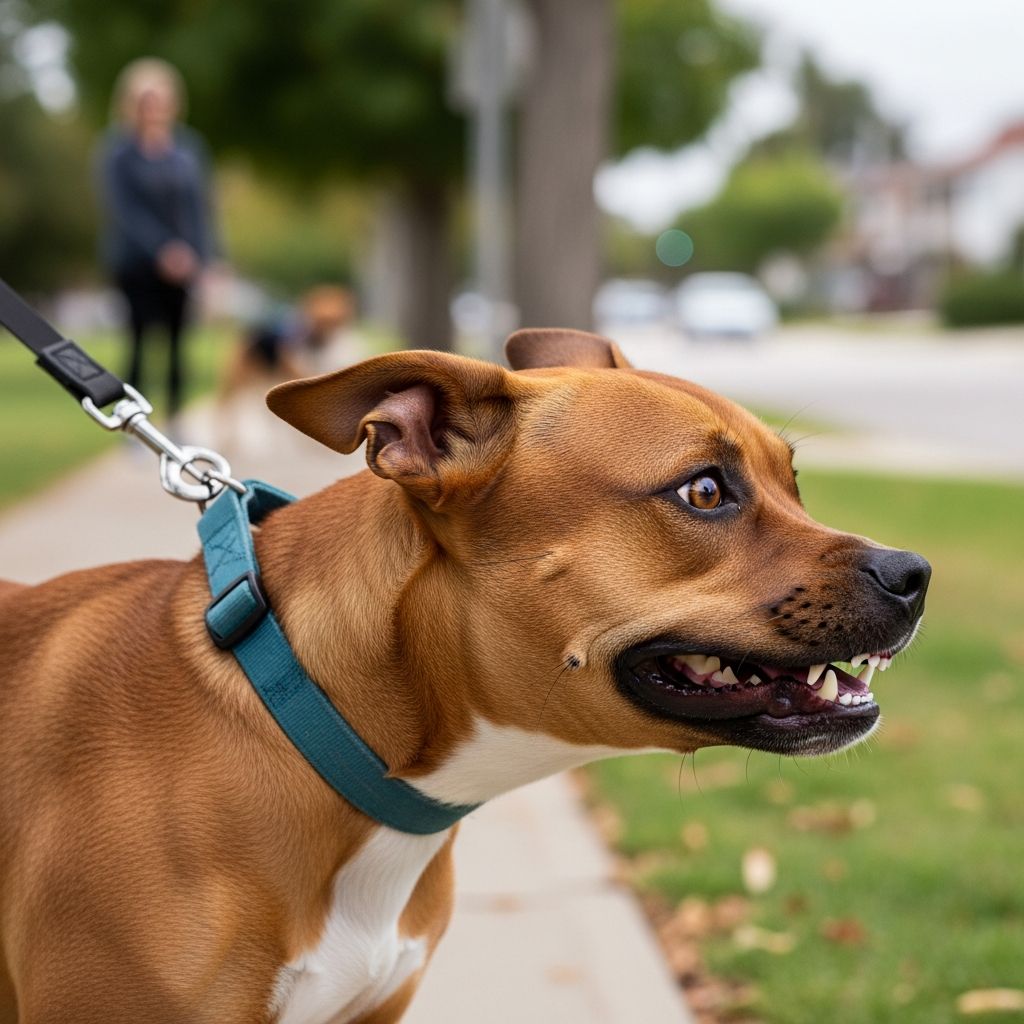
Reactive behavior in dogs manifests as exaggerated responses to everyday stimuli, such as barking, lunging, or growling at other dogs, people, or moving objects. This overreaction often stems from underlying emotions like fear, frustration, or excitement rather than true aggression, making it manageable with the right approach.
Defining Reactivity in Canines
Dog reactivity occurs when a pet displays an intense, disproportionate reaction to specific triggers. Unlike aggression, which intends harm, reactivity signals distress and can escalate if unaddressed. Dogs may fixate on the stimulus, unable to refocus even after it passes, highlighting an emotional overload.
Understanding this distinction is crucial for owners. Reactive dogs are typically communicating discomfort through vocalizations or body tension, not malice. Early intervention prevents escalation into more serious issues.
Common Triggers Behind Reactive Responses
Several factors provoke reactivity, often combining genetics, experiences, and environment. Identifying the primary trigger allows targeted training.
- Fear and Anxiety: Many reactive dogs react from feeling threatened, leading to defensive displays like stiffening or snapping.
- Frustration from Restraint: Leashes prevent natural flight or approach, turning excitement into lunging or barking.
- Past Trauma: Negative events, especially in puppies, condition dogs to anticipate danger, amplifying responses.
- Inadequate Socialization: Limited exposure during the 3-12 week window fosters wariness toward novel sights and sounds.
- Genetic Influences: Breeds like terriers or herders may show predispositions due to instincts for guarding or chasing motion.
Spotting the Signs of Reactivity
Recognizing early indicators helps de-escalate situations. Reactive dogs exhibit clear body language shifts.
| Sign | Description | Implication |
|---|---|---|
| Barking/Growling | Loud, persistent vocalizations toward triggers | Heightened arousal or warning signal |
| Lunging | Sudden forward pulls on leash | Attempt to engage or flee stimulus |
| Stiff Posture | Rigid body, raised hackles, tense tail | Internal conflict or discomfort |
| Hypervigilance | Constant scanning, dilated pupils | Anticipatory stress |
| Whining/Spinning | Restless movements, inability to settle | Frustration or overwhelm |
Context matters: a tucked tail with cowering suggests fear, while a high, stiff wag indicates agitation. Monitor the full picture to differentiate from play.
Types of Reactive Behavior
Reactivity varies by trigger, influencing training focus.
Leash Reactivity
The most prevalent form, where dogs explode at passersby while harnessed. Inability to control distance fuels fight responses over flight. Off-leash, these dogs may relax, underscoring restraint as a key aggravator.
Dog-to-Dog Reactivity
Responses to other canines, from all breeds to specifics like small dogs. Overstimulation in busy areas exacerbates this, even in social pets.
Reactivity to People or Novelty
Triggers include men, children, or unfamiliar objects due to socialization gaps or trauma. Sudden movements heighten reactions.
Health Factors Contributing to Reactivity
Rule out medical issues first. Chronic pain, thyroid imbalances, or neurological conditions mimic behavioral reactivity by lowering thresholds. Consult a vet for bloodwork if sudden onset occurs.
Step-by-Step Training Strategies
Effective management blends prevention, desensitization, and counter-conditioning. Consistency yields results over weeks to months.
- Management First: Avoid triggers using longer leashes, distance, or calming aids like pheromone collars.
- Desensitization: Expose at sub-threshold levels, rewarding calm. Gradually close distance as tolerance builds.
- Counter-Conditioning: Pair triggers with high-value treats, transforming negative associations to positive.
- Impulse Control Exercises: Teach “leave it,” “focus,” and mat stays to build self-regulation.
- Relaxation Protocols: Use Karen Overall’s protocol for progressive relaxation, pairing cues with treats.
For leash issues, practice loose-leash walking in quiet areas, using front-clip harnesses to reduce pulling leverage.
Tools and Techniques Table
| Tool/Technique | Purpose | Tips |
|---|---|---|
| High-Value Treats | Positive association | Chicken, cheese; tiny pieces |
| Front-Clip Harness | Reduce lunging power | Fit snugly, no choke chains |
| Clicker Training | Precise marking | Charge first, then use for calm |
| Muzzle Training | Safety in public | Positive intro with treats |
Building a Long-Term Plan
Combine daily exercises with lifestyle changes. Increase exercise via scent games or flirt poles to drain energy. Enroll in group classes for controlled socialization once basics solidify.
Track progress in a journal: note trigger distance, reaction intensity, and recovery time. Adjust based on data.
Professional Help When Needed
If reactivity intensifies or includes bites, seek certified trainers (CPDT-KA) or veterinary behaviorists. Force-based methods worsen fear; opt for force-free experts.
FAQs
Is reactivity the same as aggression?
No, reactivity is an emotional overreaction, often fear-based, while aggression aims to harm. Both need management.
Can all reactive dogs be fixed?
Most improve significantly with consistent training, though some require lifelong management.
How long does training take?
4-12 weeks for basics, longer for advanced control. Patience is key.
Should I use a shock collar?
No, punishment heightens fear and reactivity. Reward-based methods are proven safer and effective.
What if my dog is reactive off-leash?
Focus on recall training in safe areas and desensitization to root causes.
Preventing Reactivity in Puppies
Socialize broadly from 3-12 weeks: varied people, surfaces, sounds. Puppy classes build confidence early.
Word count: 1678 (excluding metadata and references)
References
- Understanding Dog Reactivity: Causes, Signs, and How to Help — AK9 Boise. 2023. https://www.ak9boise.com/understanding-dog-reactivity-causes-signs-and-how-to-help-your-dog/
- What Is a Reactive Dog? Signs and How To Help — PetMD. 2024-03-15. https://www.petmd.com/dog/behavior/reactive-dog
- What Is a Reactive Dog? Signs, Causes, and More — Rover.com. 2024. https://www.rover.com/blog/reactive-dog/
- Reactive Behaviors in Dogs – Symptoms, Causes, Diagnosis — WagWalking. 2023-11-20. https://wagwalking.com/condition/reactive-behaviors
- Signs your dog is reactive and what to do if they are — Dogs Trust. 2024. https://www.dogstrust.org.uk/dog-advice/training/unwanted-behaviours/reactive-dog
- Managing reactive behavior — Cornell University College of Veterinary Medicine. 2023-05-01. https://www.vet.cornell.edu/departments-centers-and-institutes/riney-canine-health-center/canine-health-information/managing-reactive-behavior
Similar Articles








Read full bio of medha deb




