

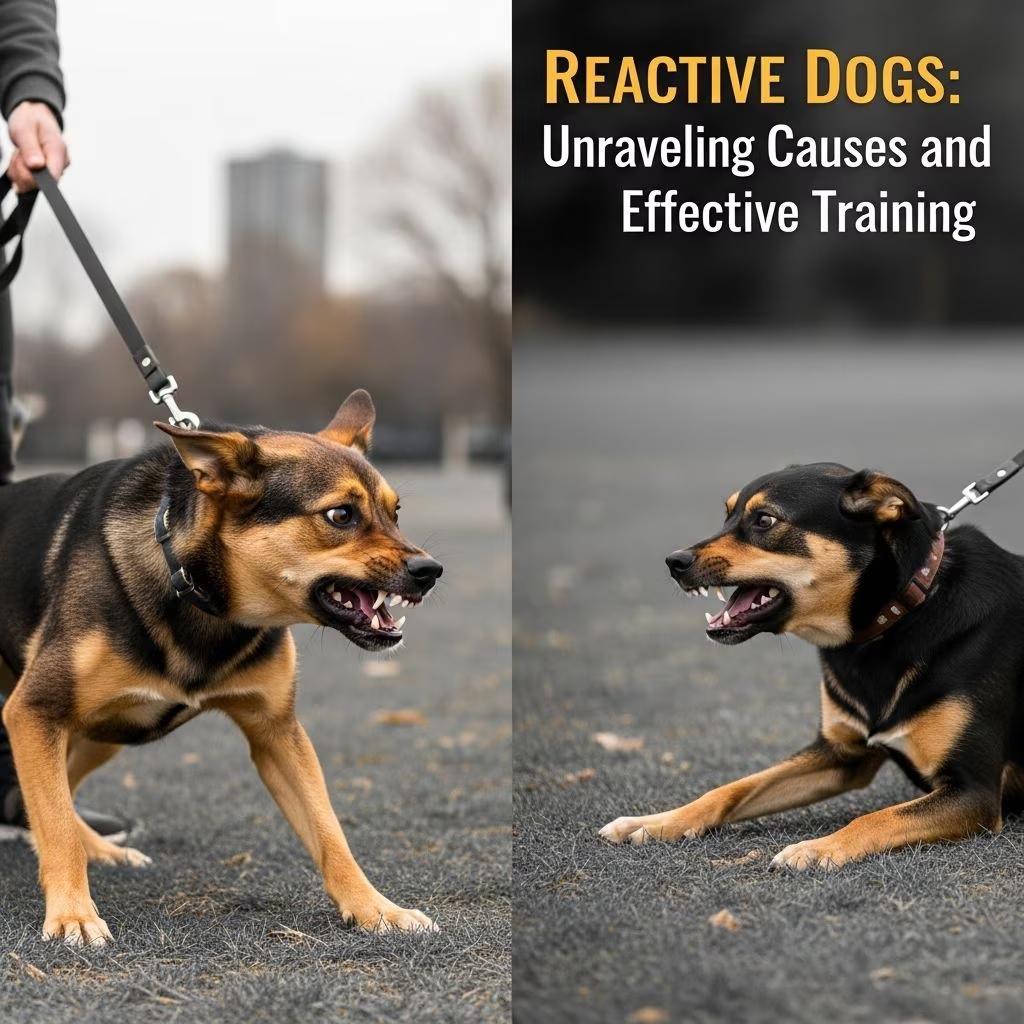
Reactive behavior in dogs manifests as exaggerated responses to everyday stimuli, often alarming owners with sudden barking, lunging, or growling. This guide delves into the underlying reasons for such reactions and provides actionable training approaches to foster calmer, more confident pets.
Defining Reactivity in Canines
Dog reactivity refers to an intensified emotional response to specific triggers, such as passing strangers, other animals, or moving vehicles. Unlike true aggression, which intends harm, reactivity stems from underlying distress like fear, excitement overload, or frustration, leading to disproportionate displays that can escalate if unaddressed.
Owners frequently mistake these outbursts for hostility, but they signal a dog’s inability to cope, often amplified by physical restraint like a leash. Understanding this distinction is crucial for empathetic, effective intervention.
Common Triggers Sparking Reactive Episodes
Reactivity doesn’t arise randomly; it’s provoked by predictable stimuli. Identifying these helps in prevention and management.
- Other Dogs: Many react specifically to fellow canines, barking or charging due to uncertainty or past negative encounters.
- Leash Constraints: On-lead dogs can’t flee or approach at will, turning frustration into lunges or vocal explosions.
- People Categories: Reactions to men, children, or unfamiliar faces often trace back to limited early exposures.
- Moving Objects: Cars, bikes, or joggers trigger herding instincts or fear in susceptible breeds.
- Environmental Overload: Noisy crowds or novel settings overwhelm sensitive dogs, prompting defensive behaviors.
Physiological and Psychological Roots
Reactivity blends nature and nurture. Genetically, breeds like terriers or herders may predispose dogs to heightened vigilance toward motion or intruders. Environmentally, insufficient socialization between 3-12 weeks leaves puppies ill-equipped for diverse encounters.
Past traumas, chronic pain, or thyroid issues exacerbate anxiety, flooding the system with cortisol and adrenaline. Frustrated high-drive dogs, eager for interaction but held back, channel energy into explosive displays.
| Factor | Description | Examples |
|---|---|---|
| Genetic | Innate tendencies amplified by breeding | Terriers reactive to dogs; herders to movement |
| Developmental | Early life gaps in exposure | Missing socialization window |
| Experiential | Negative past events | Abuse or scary encounters |
| Medical | Health issues heightening stress | Pain, hormonal imbalances |
Spotting the Warning Signs Early
Early detection prevents escalation. Reactive dogs broadcast discomfort through subtle cues before exploding.
- Body Tension: Stiff posture, raised hackles, or frozen stance signals building arousal.
- Facial Indicators: Dilated pupils, whale eye (whites showing), lip licking, or yawning indicate stress.
- Vocal and Movement Cues: High-pitched whines, growls, sudden lunges, or spinning.
- Tail and Ear Positions: Tucked tail, pinned ears, or rapid stiff wagging.
- Escape Attempts: Hiding, pulling away, or frantic bouncing.
Context matters: a loose dog might greet calmly off-leash but unravel when tethered, highlighting situational triggers.
Step-by-Step Training Blueprint
Training transforms reactivity through counter-conditioning and desensitization, gradually associating triggers with positivity. Patience and consistency are key; progress may take weeks or months.
Foundation: Management First
Avoid triggers initially to prevent rehearsal of bad habits. Use baby gates, muzzle training for safety, and walk during quiet hours. Front-clip harnesses reduce pulling power without discomfort.
Desensitization Techniques
Expose at sub-threshold distances where reaction is minimal, rewarding calm with treats or toys. Gradually close the gap over sessions.
- Spot trigger from afar; mark calm with “yes!” and reward.
- Increase proximity only if dog remains relaxed.
- Practice daily in varied settings for generalization.
Counter-Conditioning for Emotional Shift
Pair trigger sight with irresistible rewards, reshaping fear or frustration into anticipation. Use high-value treats like chicken or cheese.
Example: For leash reactivity, feed treats the instant another dog appears, before any bark emerges.
Impulse Control Drills
Build self-regulation with games like “look at that” (acknowledge trigger neutrally then redirect) or emergency U-turns on walks.
Advanced Strategies for Stubborn Cases
If basics falter, escalate with professional help. Certified trainers employ BAT (Behavior Adjustment Training) or engage vets for anxiety meds as adjuncts.
- Engage Experts: Force-free trainers versed in reactivity.
- Tech Aids: Calming vests or pheromone diffusers soothe nerves.
- Exercise Boost: Mental puzzles and scent work drain excess energy.
Real-World Success Stories and Pitfalls
Owners report dramatic improvements: a once-leash-lunging shepherd now strolls past dogs at heel after months of counter-conditioning. Common mistakes include punishment, which heightens fear, or flooding (over-exposure), worsening reactivity.
Track progress via journals: note trigger distance, reaction intensity, and recovery time.
FAQs on Managing Reactive Dogs
Is reactivity the same as aggression?
No, reactivity is an emotional overreaction from distress, while aggression aims to harm. Both need addressing to prevent escalation.
Can all reactive dogs be rehabilitated?
Most improve with consistent effort, though severe genetic or medical cases may require lifelong management.
How long does training take?
Varies by dog and commitment; expect 4-12 weeks for noticeable change, longer for full resolution.
Should I use a shock collar?
Avoid aversives; they amplify fear. Positive reinforcement yields lasting results without fallout.
When to see a vet?
If sudden onset or pain signs appear, rule out medical causes first.
Lifestyle Adjustments for Lasting Calm
Beyond training, enrich daily life: ample exercise, routine, and socialization playdates in controlled settings build resilience. Nutrition supporting brain health, like omega-3s, aids emotional regulation.
Owner mindset matters—stay calm, as canine stress mirrors yours. Celebrate small wins to sustain motivation.
References
- Understanding Dog Reactivity: Causes, Signs, and How to Help — AK9 Boise. 2023. https://www.ak9boise.com/understanding-dog-reactivity-causes-signs-and-how-to-help-your-dog/
- What Is a Reactive Dog? Signs and How To Help — PetMD. 2024-03-15. https://www.petmd.com/dog/behavior/reactive-dog
- What Is a Reactive Dog? Signs, Causes, and More — Rover.com. 2023-11-20. https://www.rover.com/blog/reactive-dog/
- Reactive Behaviors in Dogs — WagWalking. 2024. https://wagwalking.com/condition/reactive-behaviors
- Signs your dog is reactive and what to do if they are — Dogs Trust. 2024-01-10. https://www.dogstrust.org.uk/dog-advice/training/unwanted-behaviours/reactive-dog



