

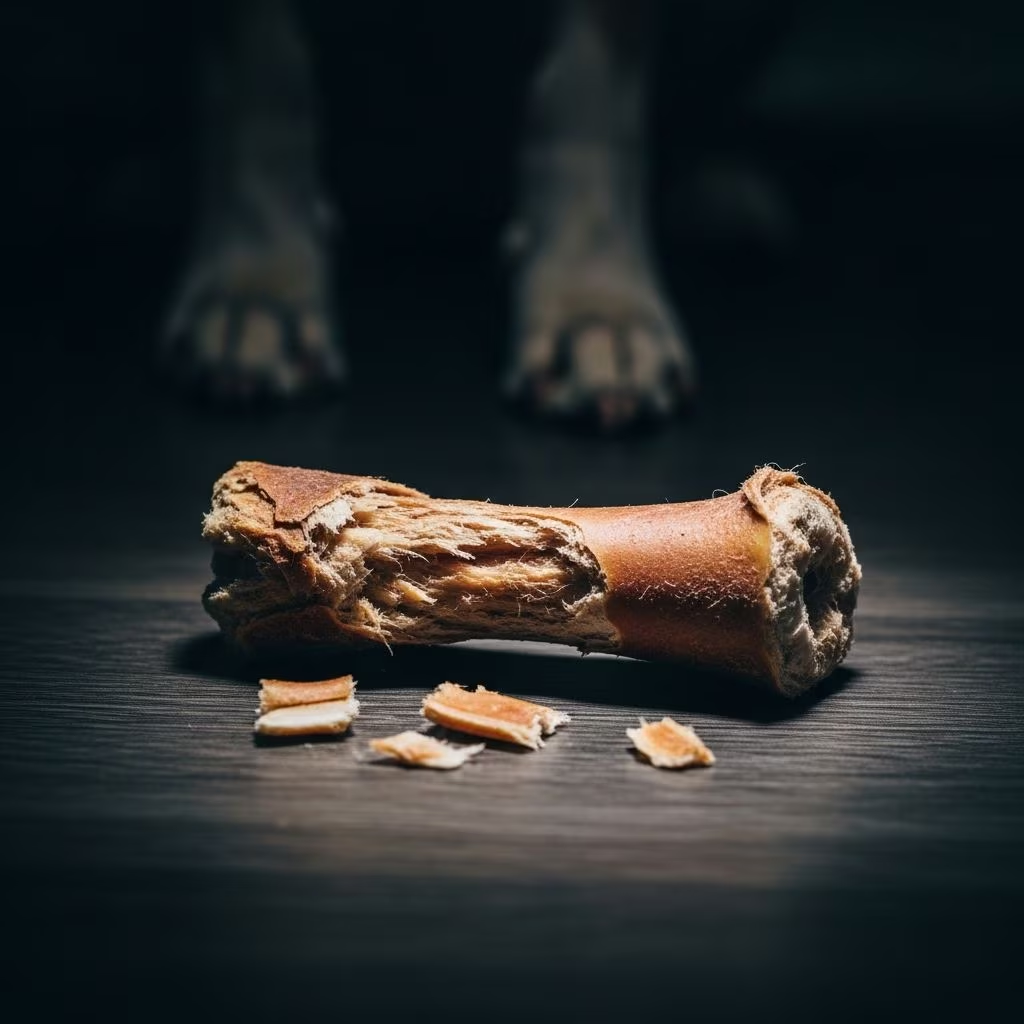
Many dog owners turn to rawhide chews as an affordable way to satisfy their pet’s natural chewing instincts. However, these popular treats come with significant health concerns that every responsible pet parent should understand. This comprehensive guide examines what rawhide is, its potential upsides and downsides, who should steer clear, and superior alternatives to keep your dog safe and satisfied.
Understanding Rawhide: Origins and Production
Rawhide begins as the inner layer of animal hides, typically from cows or horses, sourced as a byproduct of the leather industry. The process involves splitting the hide, cleaning it, and treating it with chemicals to preserve it and make it appealing. These treatments can include arsenic-based solutions for dehairing, along with bleaches, glues, dyes, and flavorings to create the final product shaped into bones, twists, or rolls.
While this manufacturing turns inedible waste into chews, the heavy chemical processing raises red flags. Residues may linger, potentially irritating a dog’s sensitive digestive system or worse. Production often occurs overseas, complicating quality oversight and increasing contamination risks from bacteria like Salmonella or E. coli.
Potential Advantages of Rawhide Chews
Despite the concerns, rawhide offers some benefits that explain its enduring popularity. Chewing is an innate behavior for dogs, providing mental stimulation, stress relief, and physical exercise for the jaw. Long-lasting rawhide can occupy puppies and bored adults alike, redirecting destructive tendencies away from furniture or shoes.
- Dental support: The abrasive action may scrape plaque from teeth, potentially reducing tartar buildup and freshening breath. Regular chewers often show healthier gums and less dental debris.
- Behavioral aid: Satisfies the urge to gnaw, curbing anxiety and promoting relaxation, especially beneficial for teething puppies.
- Cost-effective: Inexpensive compared to premium chews, making it accessible for budget-conscious owners.
These perks sound promising, but they must be weighed against serious hazards, as the risks often outweigh the rewards according to veterinary experts.
Major Health Risks Linked to Rawhide
Rawhide’s dangers stem from its physical properties and processing. Unlike digestible treats, it swells when wet, expands in the stomach, and resists breakdown, leading to multiple threats.
Choking and Obstruction Hazards
The most immediate danger is choking. Aggressive chewers can tear off large chunks that lodge in the throat, esophagus, or intestines. These pieces don’t dissolve; they rehydrate and balloon, potentially causing life-threatening blockages requiring surgical intervention.
Symptoms to monitor include gagging, excessive drooling, repeated swallowing attempts, retching, or abdominal pain. Straining during defecation or refusal to eat signals a possible obstruction—contact a vet immediately if observed.
Digestive Distress and Allergies
Even smaller swallowed fragments irritate the gut lining, causing vomiting, bloody diarrhea, or lethargy. Some dogs react allergically to beef proteins or additives, resulting in chronic issues like gas or loose stools. Rawhide’s low digestibility means it passes slowly, exacerbating discomfort.
Dental Injuries
Marketed for cleaning teeth, dense pressed rawhides can fracture molars, especially in strong-jawed breeds. Splintered pieces add to ingestion risks, turning a supposed benefit into harm.
Bacterial and Chemical Threats
Processing introduces pathogens like Salmonella, transmissible to humans via handling. Chemicals such as formaldehyde or heavy metals may leach out, posing toxicity risks, particularly to puppies or immunocompromised dogs.
| Risk Type | Description | Warning Signs |
|---|---|---|
| Choking/Blockage | Large pieces swell in gut | Gagging, vomiting, pain |
| Digestion Issues | Irritation from fragments | Diarrhea, lethargy |
| Dental Damage | Hard texture cracks teeth | Bleeding gums, fractures |
| Contamination | Bacteria/chemicals | Fever, human illness |
Which Dogs Face the Greatest Dangers?
Not all dogs tolerate rawhide equally. Puppies, with developing jaws and inquisitive natures, gulp pieces hastily. Seniors may struggle to chew properly, increasing splinter risks. Gluttonous or power-chewers like Labs or Pit Bulls exacerbate threats by demolishing chews rapidly.
- Avoid for: Puppies under 6 months, aggressive chewers, dogs with GI histories, or dental problems.
- Supervise always: Remove when down to thumbnail size to prevent gulping.
Breeds prone to bloat or obstructions warrant extra caution. Always tailor treats to your dog’s size, age, and habits.
Proven Safer Alternatives to Rawhide
Fortunately, innovative options mimic chewing satisfaction without the peril. Prioritize digestible, natural, or durable synthetics vetted by organizations like the ASPCA.
Natural Digestible Chews
- Bully sticks: Single-ingredient beef muscle, fully digestible, high-protein delight.
- Yak chews: Hard cheese-based, microwave-meltable for safety.
- Antlers or hooves: Long-lasting minerals, but supervise to avoid cracks.
Dental-Specific Treats
Enzyme-infused chews like Greenies promote tartar control without rawhide’s risks. Vet-approved formulas target plaque effectively.
Interactive Toys
- Kong toys: Stuff with peanut butter or kibble for mental engagement.
- Nylabones: Flavored nylon withstands power chewers.
| Alternative | Key Benefits | Best For |
|---|---|---|
| Bully Sticks | Digestible, odorous appeal | All sizes |
| Yak Cheese | Hard, natural, safe melt | Senior/moderate chewers |
| Kong Toy | Reusable, puzzle-solving | Bored/anxious dogs |
| Dental Chews | Enzymes clean teeth | Daily oral care |
Transition gradually, introducing one new chew at a time while monitoring reactions. Quality matters—opt for U.S.-made or transparently sourced products.
Veterinary Perspectives and Safety Protocols
Organizations like the Humane Society and AKC caution against routine rawhide use, urging alternatives amid rising emergency cases. Vets emphasize supervision: never leave dogs unattended with any chew. If offering rawhide sparingly, select American-made, additive-free varieties and discard small remnants.
Annual dental checkups remain irreplaceable; professional cleanings outperform any treat. For persistent chewers, behavior consults address root causes like separation anxiety.
Common Questions About Rawhide for Dogs
Is rawhide digestible for dogs?
No, rawhide does not break down easily in the stomach. It absorbs water and expands, heightening blockage risks.
Can rawhide clean my dog’s teeth?
It may reduce plaque mechanically, but harder textures risk fractures, and it’s no substitute for brushing or vet care.
Are there safe rawhide brands?
Fewer additives help, but inherent swelling dangers persist. Vets prefer non-rawhide options universally.
What if my dog swallowed rawhide?
Watch for distress 24-48 hours. Urgent vet care needed for vomiting, pain, or constipation.
How often can dogs have rawhide?
Minimally, if at all—once weekly max under supervision, but alternatives are superior.
Final Thoughts on Choosing Wisely
Rawhide’s allure fades against its proven pitfalls. By opting for digestible, safe chews and proactive monitoring, you nurture your dog’s health and happiness long-term. Consult your veterinarian for personalized guidance, ensuring every treat enhances rather than endangers your loyal companion.
References
- Rawhide Bones and Treats for Dogs: Risks and Benefits — WebMD. 2023. https://www.webmd.com/pets/dogs/rawhide-good-or-bad-for-your-dog
- Is Rawhide Safe for Dogs? Risks, Alternatives and Vet Advice — Vets Now. 2024. https://www.vets-now.com/pet-care-advice/rawhide-and-dogs/
- Is Rawhide Safe for Your Dog? Do’s and Don’ts and Safety Tips — Dogs Inc. 2023. https://dogsinc.org/blog/ask-the-vet/is-rawhide-safe-for-your-dog/
- Are Rawhide Chew Toys Safe For My Dog? — Orvis. 2022. https://www.orvis.com/are-rawhide-chew-toys-safe-for-my-dog.html
- Are Rawhide Chews Dangerous for Dogs? — American Kennel Club. 2024. https://www.akc.org/expert-advice/health/are-rawhide-chews-dangerous-for-dog/



