

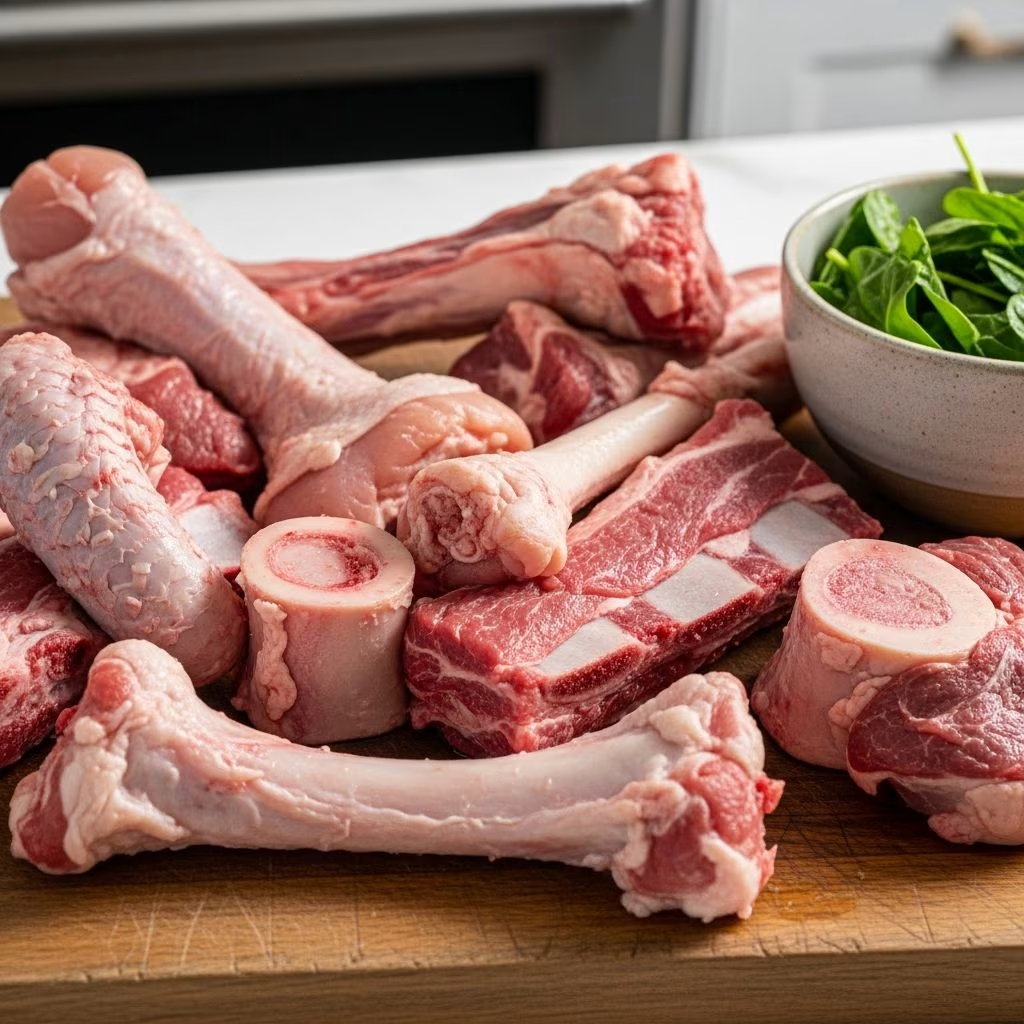
The practice of feeding raw meaty bones to dogs has gained considerable traction among pet owners seeking what they perceive as a more natural dietary approach. Advocates often highlight perceived benefits such as improved dental health and nutritional value, yet the scientific evidence surrounding this practice reveals a more nuanced and concerning reality. Understanding the multifaceted risks and limited benefits requires examining current research and expert recommendations.
The Rising Popularity of Bone-Based Raw Feeding
Raw meat-based diets, commonly referred to as BARF (Bones and Raw Food) diets, have experienced renewed popularity in recent years. Pet owners are drawn to the philosophy that raw feeding represents a species-appropriate alternative to commercially processed kibble. However, veterinary professionals and nutritional experts caution that the theoretical appeal of raw feeding does not necessarily align with documented health outcomes and safety data.
The shift toward raw feeding has coincided with an increase in cases of gastrointestinal complications related to bone ingestion in small animal veterinary clinics. Practitioners report observing foreign body surgeries and bone-related injuries with greater frequency than they did five years prior, though comprehensive epidemiological data on this trend remains limited.
Documented Risks Associated with Raw Meaty Bone Consumption
The list of potential health complications from feeding raw bones is extensive and well-documented in veterinary literature. These risks span multiple body systems and can range from acute emergencies to chronic health problems.
Gastrointestinal and Structural Complications
- Esophageal and intestinal obstructions: Bone fragments can lodge in the digestive tract, potentially requiring emergency surgical intervention
- Foreign body accumulation: Incompletely digested bone material may create blockages requiring intensive care
- Bowel perforations and peritonitis: Sharp bone fragments can puncture the intestinal wall, leading to life-threatening infections
- Constipation: Impacted bone material can cause severe constipation and reduced intestinal function
- Rectal injuries: Bone fragments passing through the digestive system may cause internal trauma
Oral and Dental Trauma
Despite widespread claims about dental benefits, raw bones pose significant risks to oral health. Fractured teeth represent one of the most common injuries associated with bone consumption. Hard bone fragments can crack or splinter teeth, leading to root exposure, infection, and requiring costly dental extraction or root canal procedures. Additionally, bone splinters can injure the mouth’s soft tissues, causing bleeding and pain.
Bacterial Contamination and Zoonotic Disease
Raw meat inherently carries pathogenic bacteria that can affect both canines and household members. Research conducted by the FDA Center for Veterinary Medicine found that approximately one-third of frozen raw meat diets for pets purchased online contained disease-causing pathogens including Salmonella, Listeria, or toxigenic E. coli. Additionally, raw meat diets have been associated with:
- Increased Salmonella shedding in dogs, which poses health risks to human family members
- Infection with Mycobacterium bovis, potentially leading to canine tuberculosis
- Transmission of avian influenza (H5N1, H5N6) when raw poultry is consumed
- Other bacterial infections that may compromise both pet and human health
The risk intensifies when bones are buried and subsequently unearthed for consumption, as this practice increases bacterial proliferation and contamination.
Metabolic and Inflammatory Complications
High-fat bone marrow consumption can trigger pancreatitis, a serious inflammatory condition of the pancreas. Additionally, digestive upset including diarrhea may result from marrow ingestion, particularly in dogs transitioning from kibble-based diets.
Nutritional Imbalances in Raw Bone-Based Diets
A critical concern with raw meaty bone diets is the frequent occurrence of nutritional imbalances. Research examining 200 raw diet recipes revealed that 95 percent contained at least one essential nutrient below recommended minimum levels, with many exhibiting multiple deficiencies.
Calcium and Phosphorus Ratio Problems
Raw meaty bones alone do not provide adequate nutritional balance, particularly regarding calcium-to-phosphorus ratios. When dogs consume only the meat portion of bones without consuming the mineral-rich skeletal structure in its entirety, they may receive insufficient bioavailable calcium. This becomes especially problematic for growing puppies, where improper calcium-phosphorus ratios can result in weakened bone development and long-term skeletal complications.
Protein and Fat Imbalances
Raw diets may contain excessive fat content exceeding 30 percent of dry matter, elevating the risk of pancreatitis. Conversely, diets relying exclusively on lean meat sources may provide inadequate protein content, creating nutritional gaps that compromise immune function and tissue maintenance.
The Limited Evidence for Dental Benefits
The most commonly cited advantage of raw bone feeding is improved dental health. However, scientific evidence supporting this claim is remarkably limited. A study involving eight Beagles fed raw beef bones demonstrated only approximately 10 percent reduction in calculus accumulation on teeth. The extremely small sample size and recognition that individual dogs possess different chewing styles—resulting in variable exposure to calculus-removing effects—make it impossible to draw reliable conclusions about dental benefits.
Furthermore, any theoretical dental benefits must be weighed against the documented risk of tooth fractures and oral trauma from bone consumption.
Professional Veterinary Recommendations
Major veterinary organizations have issued clear guidance regarding raw meat diets:
- The American Veterinary Medical Association advises against raw meat-based diets
- The American Animal Hospital Association recommends against this feeding practice
- The Canadian Veterinary Medical Association similarly opposes raw feeding
- The Delta Society’s Pet Partners Program excludes animals consuming raw meat-based diets from therapy animal participation
These organizations base their recommendations on documented risks to pets, other household animals, and human family members.
Potential Health Advantages: What Research Actually Shows
While risks predominate in the research literature, some studies have identified specific metabolic markers that may improve in dogs fed raw meat diets. Compared to dogs consuming extruded dry kibble, dogs fed raw beef demonstrated decreased expression of pro-inflammatory cytokine genes. Additionally, some research suggests potential benefits including:
- Fewer cases of atopic dermatitis in puppies as they mature
- Reduced risk of calcium oxalate uroliths in adult dogs
- More favorable metabolic profiles in dogs with existing atopic dermatitis
However, these potential benefits remain speculative and do not outweigh the well-documented risks, particularly given that alternative feeding approaches can address specific health conditions without requiring raw bone consumption.
Safer Alternatives and Best Practices
Pet owners concerned about nutritional quality and digestive health have several evidence-based alternatives to raw meaty bones:
- Consultation with veterinary nutritionists: If considering any home-prepared diet, professional guidance ensures nutritional balance and safety
- High-quality commercial diets: Reputable manufacturers formulate products meeting established nutritional standards without the risks of raw feeding
- Cooked bones: If bone supplementation is desired, cooking reduces pathogenic contamination risk, though it increases the risk of fracturing and splintering
- Appropriate dental care: Regular brushing and professional veterinary cleanings address dental health more effectively than raw bones
- Supervised enrichment: Long-lasting, food-safe chews provide enrichment benefits without the dangers of bone ingestion
Transitioning Dogs: Considerations and Complications
Dogs accustomed to kibble-based diets may experience nausea or diarrhea when first exposed to raw meaty bones, as their digestive systems require adaptation to process raw meat. This adjustment period creates an additional layer of risk during the transition phase, and veterinary monitoring is essential.
Frequently Asked Questions
Are raw meaty bones truly natural for dogs?
While wolves and wild canines consume raw meat and bones, domestic dogs differ significantly in their digestive systems and immune tolerance. Additionally, wild canines suffer injuries and health complications from bone consumption; the absence of veterinary intervention in wild populations does not indicate safety for domesticated pets.
How do I minimize risks if I choose to feed raw bones?
If proceeding despite professional recommendations, source bones from trusted suppliers, feed under supervision, remove uneaten portions promptly, and maintain strict hygiene protocols. However, no risk-mitigation strategy eliminates the documented dangers.
Can nutritional deficiencies be corrected with supplementation?
Formulating nutritionally adequate raw diets with proper supplementation is highly complex and requires consultation with board-certified veterinary nutritionists. Most pet owners lack the expertise to achieve nutritional balance independently.
What should I do if my dog consumes a bone fragment?
Contact your veterinarian immediately. Symptoms including vomiting, lethargy, loss of appetite, abdominal pain, or constipation may indicate obstruction or perforation requiring emergency intervention.
The Verdict: Evidence-Based Feeding Decisions
The scientific evidence overwhelmingly demonstrates that the risks associated with raw meaty bone feeding substantially outweigh the limited and unproven benefits. While the philosophy of natural feeding appeals to many pet owners, documented complications including gastrointestinal obstructions, bacterial contamination, nutritional imbalances, and oral trauma represent serious health threats. Professional veterinary organizations consistently advise against this practice, and emergency veterinary clinics report increased frequency of bone-related injuries.
Pet owners prioritizing their dog’s health and safety should explore evidence-based nutritional approaches that provide optimal nutrition without the hazards inherent to raw bone consumption. Consultation with veterinary professionals and board-certified nutritionists ensures that dietary choices support long-term canine health and wellbeing.
References
- No bones about it: risks vs benefits of meaty bones — Nutrition RVN. 2021-03-11. https://nutritionrvn.com/2021/03/11/no-bones-about-it-risks-vs-benefits-of-meaty-bones/
- Raw Diet Poses Health Risks — Jones Veterinary Clinic. https://jonesvetclinic.com/raw-diet/
- Advantages, drawbacks and risks of raw feeding — Royal Canin Academy. https://academy.royalcanin.com/en/veterinary/issue-24-3-article-c
- The Risks and Benefits of Raw Meat Diets for Dogs — PetMD. 2014-03. https://www.petmd.com/blogs/nutritionnuggets/dr-coates/2014/march/risks-and-benefits-raw-meat-diets-dogs-31455
- Current Evidence on Raw Meat Diets in Pets: A Natural Symbol, but Not Always a Safe Practice — National Center for Biotechnology Information (PubMed Central). 2024. https://pmc.ncbi.nlm.nih.gov/articles/PMC11816250/
- Raw foods for dogs: Evidence-based advice from the Riney Canine Health Center — Cornell University College of Veterinary Medicine. https://www.vet.cornell.edu/departments-centers-and-institutes/riney-canine-health-center/canine-health-topics/raw-foods-dogs-evidence-based-advice-riney-canine-health-center
- Raw Pet Food Diets can be Dangerous to You and Your Pet — U.S. Food and Drug Administration (FDA). https://www.fda.gov/animal-veterinary/animal-health-literacy/get-facts-raw-pet-food-diets-can-be-dangerous-you-and-your-pet



