

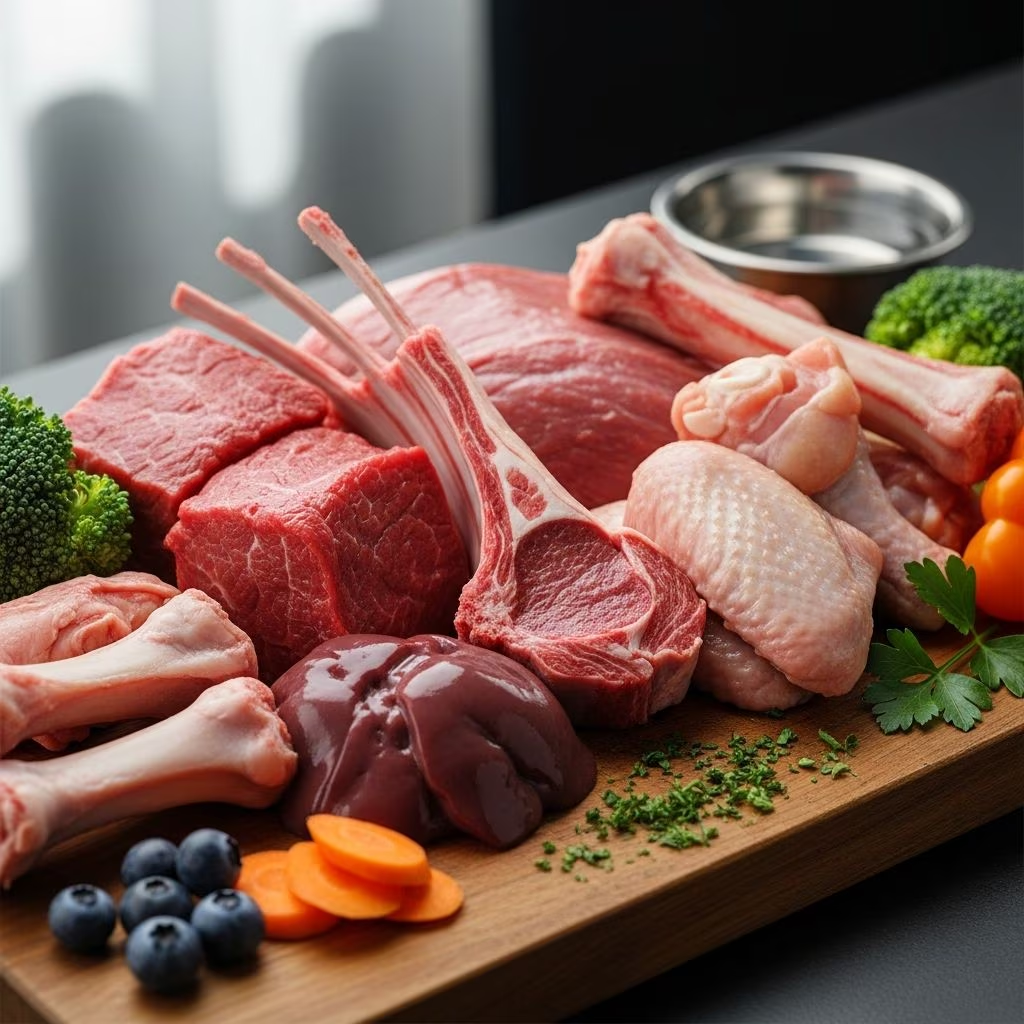
The question of whether dogs can safely consume raw meat has sparked considerable debate among pet owners and veterinary professionals. While some advocates promote raw meat diets as a return to canine ancestral eating patterns, the scientific evidence and professional guidance present a more cautious perspective. Understanding the factual risks and unsubstantiated claims is essential for making informed decisions about your dog’s nutrition.
The Growing Popularity of Uncooked Protein Feeding
Raw meat-based feeding has gained traction among certain segments of the dog-owning community over recent years. Proponents argue that this approach mimics what wild canines would consume and offers various health improvements. However, the foundation for these claims often rests on anecdotal observation rather than rigorous scientific investigation. The reality is that modern domesticated dogs have evolved significantly from their wild ancestors, and their digestive systems have adapted to processed foods over thousands of years.
The popularity of raw diets reflects a broader trend toward “natural” pet nutrition, driven by owner desires to provide premium care. Despite this appeal, the actual evidence supporting specific health claims remains limited. A comprehensive review published in a major veterinary journal noted that while proponents and opponents of raw diets hold strong opinions, scientific data supporting either position is surprisingly scarce.
Claimed Advantages Versus Scientific Evidence
Those who advocate for raw meat diets typically cite several purported benefits. These include improved food appeal to the dog, dental hygiene through natural chewing action, enhanced coat appearance, and stronger immunity. Some also suggest that raw feeding reduces body odor and fecal output while promoting better digestive health.
Additionally, raw diet supporters argue that their approach avoids the potential downsides of commercial pet food production, including exposure to processing by-products, artificial additives, and chemical preservatives. They point to historical pet food recalls—such as the 2007 melamine contamination incident—as evidence that commercial options carry their own risks. Some claim that raw diets support more natural gut health compared to cooked alternatives.
The challenge is that most of these assertions lack robust scientific validation. Claims about improved immunity, behavioral changes, or energy levels have not been conclusively demonstrated through controlled research studies. The dental health argument, while intuitively appealing, has not been rigorously proven to outweigh the documented safety risks.
Bacterial and Pathogenic Contamination Risks
The most significant concern veterinarians raise involves pathogenic contamination in raw meat. Raw animal protein can harbor numerous disease-causing organisms, including bacteria, viruses, and parasites. Unlike cooked meat, where heat destroys most pathogens, raw meat presents an ongoing contamination risk that is difficult or impossible to detect without laboratory testing.
The primary bacterial threats include Salmonella and E. coli, both of which can cause serious illness in dogs and humans alike. Research comparing different pet food types found that raw pet food products were significantly more likely to test positive for disease-causing bacteria than other food categories. The problem is further complicated by the fact that not all contaminated raw meat shows visible signs of spoilage or decomposition.
Beyond bacteria, raw meat can contain parasitic organisms such as Neospora caninum and other pathogens. Freezing meat before feeding may reduce some parasitic risks, but it does not eliminate bacterial contamination. The difficulty in determining whether raw meat has been contaminated makes it nearly impossible for pet owners to ensure complete safety through inspection alone.
Health Risks Extending Beyond Your Pet
When a dog consumes contaminated raw meat, the health consequences extend throughout the household. Pathogenic organisms can be transmitted to humans through multiple routes: contact with the dog’s feces, saliva, or contaminated surfaces and utensils used in food preparation. Even affectionate behaviors such as facial licking can transfer harmful bacteria from the dog to family members.
Certain individuals face elevated risk from these transmission routes. Immunocompromised family members, pregnant women, elderly individuals, and young children are all more vulnerable to severe illness from foodborne pathogens. In extreme cases, pathogenic infections can become life-threatening. Healthy adults typically cope better with accidental exposure, but the risk remains present for all household members.
Additionally, the spread of resistant bacteria within the home environment represents a public health concern. Regular cleaning and disinfection of surfaces becomes critical when handling raw meat, adding significant burden to household sanitation practices. The American Veterinary Medical Association and other professional organizations cite these human health risks as a primary reason for discouraging raw feeding practices.
Nutritional Balance and Formulation Challenges
Beyond food safety, nutritional adequacy presents another serious concern with raw meat diets. Raw meat alone does not provide complete and balanced nutrition that dogs require for optimal health. Dogs need precise ratios of essential nutrients including proteins, fats, vitamins, minerals, and other compounds that support bodily functions.
A detailed analysis of homemade raw diet recipes revealed that the vast majority contained nutritional imbalances. Of two hundred recipes examined, ninety-five percent fell short of minimum recommended levels for at least one essential nutrient. Many recipes had multiple deficiencies or excesses, creating the potential for both acute and chronic health problems. These imbalances can lead to conditions such as bone disease, organ dysfunction, and developmental problems, particularly in growing puppies.
Commercial pet food companies employ veterinary nutritionists to formulate products meeting established nutritional standards. Regulatory bodies and veterinary organizations have developed guidelines ensuring that commercially available diets provide appropriate nutrient profiles. Homemade raw diets, by contrast, rarely achieve this level of nutritional precision without expert guidance and careful planning.
Bone-Related Complications
Raw feeding advocates often promote including raw bones as part of the diet, claiming they provide nutritional value and support dental health. However, bones present distinct hazards not present in boneless meat. Fractured or splintered bones can lacerate the mouth, throat, or digestive tract. Bone fragments may also create intestinal blockages or cause perforations—life-threatening conditions requiring emergency surgical intervention.
Additionally, dogs can experience choking incidents when consuming bones, particularly larger pieces that become lodged in the throat. These complications occur with sufficient frequency that veterinarians consistently recommend against including whole bones in raw diets.
Comparative Analysis: Raw Versus Cooked Protein
| Factor | Raw Meat | Cooked Meat |
|---|---|---|
| Bacterial Safety | High contamination risk | Most pathogens destroyed by heat |
| Digestibility | Variable; potentially harder to digest | Enhanced digestibility |
| Nutritional Completeness | Difficult to balance | Controlled formulation possible |
| Human Health Risk | Significant transmission potential | Minimal when handled safely |
| Choking/Obstruction Risk | Higher with bones included | Lower with proper preparation |
| Evolutionary Adaptation | Misaligned with modern dog physiology | Compatible with domesticated digestion |
Cooking meat through boiling or baking at appropriate temperatures eliminates most harmful bacteria and parasites while making nutrients more bioavailable for canine digestion. The cooking process does not reduce nutritional value significantly when done without added seasonings, onions, or garlic—all of which should be avoided as they can be toxic to dogs.
Professional Veterinary Recommendations
Major veterinary organizations have issued clear guidance on raw meat feeding. The American Veterinary Medical Association, American Animal Hospital Association, and Canadian Veterinary Medical Association all discourage raw or undercooked animal protein diets for dogs. These positions reflect the cumulative evidence regarding food safety risks and nutritional concerns.
The Delta Society’s Pet Partners Program, which certifies therapy animals, explicitly excludes animals fed raw meat diets from participation. This restriction acknowledges the elevated disease transmission risk to vulnerable populations that therapy animals may encounter.
Safe Alternatives for Meeting Canine Nutritional Needs
Dogs can thrive on properly formulated commercial diets that meet established nutritional standards. These products undergo testing and quality control to ensure safety and nutritional adequacy. For owners seeking premium options, many companies now offer high-quality, nutrient-dense formulations using quality protein sources.
If owners wish to incorporate fresh protein into their dog’s diet, cooking meat through boiling or baking provides safety benefits while maintaining most nutritional value. Cooked meat can be added to balanced commercial diets under veterinary guidance, ensuring that nutritional ratios remain appropriate.
For dogs with specific health conditions or dietary sensitivities, prescription veterinary diets formulated by specialists offer tailored nutrition addressing individual medical needs. Working with a veterinary nutritionist allows owners seeking customized feeding approaches to develop plans that prioritize both safety and nutritional completeness.
Making an Informed Decision for Your Dog
The decision about how to feed your dog should be based on current scientific evidence rather than marketing claims or anecdotal reports. While raw meat diets continue to attract interest, the documented risks—particularly bacterial contamination, nutritional imbalances, and human health hazards—outweigh unproven claimed benefits.
If you are considering any non-standard feeding approach, consultation with your veterinarian or a board-certified veterinary nutritionist is essential. These professionals can evaluate your individual dog’s health status, assess risk factors within your household, and recommend the safest approach supporting long-term wellbeing.
Your dog’s optimal health depends on consistent access to nutritionally complete, pathogen-free food. For most pet owners, this goal is best achieved through quality commercial diets or veterinarian-supervised homemade diets incorporating cooked protein and expert nutritional formulation.
Frequently Asked Questions
Can dogs digest raw meat better than cooked meat?
No. Modern dogs have evolved physiologically to digest cooked food, and cooking actually enhances the bioavailability of nutrients. Raw meat does not offer digestive advantages and may be more challenging for some dogs to process efficiently.
What types of raw meat are safest if I choose to feed them?
If you decide to feed raw meat despite veterinary recommendations, avoid raw pork and wild game due to higher parasite risks. Leaner meats like beef, chicken, and turkey present lower (though not eliminated) contamination risk. Meat should be fresh, high-quality, and frozen beforehand to reduce parasitic organisms.
Will my dog get better teeth from chewing raw meat?
While the mechanical action of chewing may provide minor dental stimulation, this benefit comes with significant food safety risks. Dental health can be maintained through appropriate chew toys, regular tooth brushing, and professional veterinary cleaning without raw meat exposure.
How do I know if raw meat is contaminated?
Contamination with pathogenic bacteria or parasites is not visually apparent. You cannot determine contamination status through appearance, smell, or touch. This fundamental challenge makes raw feeding inherently risky.
Are there any dogs that benefit specifically from raw diets?
Dogs with certain health conditions may benefit from specialized diets, but these should be developed with veterinary nutritionist guidance. Raw feeding is not indicated as treatment for any specific canine health condition based on current scientific evidence.
References
- The Risks and Benefits of Raw Meat Diets for Dogs — PetMD/Dr. Coates. 2014. https://www.petmd.com/blogs/nutritionnuggets/dr-coates/2014/march/risks-and-benefits-raw-meat-diets-dogs-31455
- Raw Pet Food Diets can be Dangerous to You and Your Pet — U.S. Food and Drug Administration. https://www.fda.gov/animal-veterinary/animal-health-literacy/get-facts-raw-pet-food-diets-can-be-dangerous-you-and-your-pet
- Raw or Undercooked Animal Source Protein in Cat and Dog Diets — American Veterinary Medical Association (AVMA). https://www.avma.org/resources-tools/avma-policies/raw-or-undercooked-animal-source-protein-cat-and-dog-diets
- Can Dogs Eat Raw Meat? Yes, but With Caution — GoodRx Pet Health. https://www.goodrx.com/pet-health/dog/can-dogs-eat-raw-meat
- What Happens When Dogs Eat Raw Meat? Exploring GI Physiology Lessons — University of Minnesota Open Textbooks. https://open.lib.umn.edu/giphysiolessons/chapter/what-happens-if-we-feed-dogs-raw-meat/
- Raw Diets for Dogs: Benefits, Risks, and What Every Pet Owner Should Know — Revival Animal Health. https://www.revivalanimal.com/learning-center/raw-diets-for-dogs
- Dogs and Raw Food Diets — VCA Animal Hospitals. https://vcahospitals.com/know-your-pet/dogs-and-raw-food-diets



