

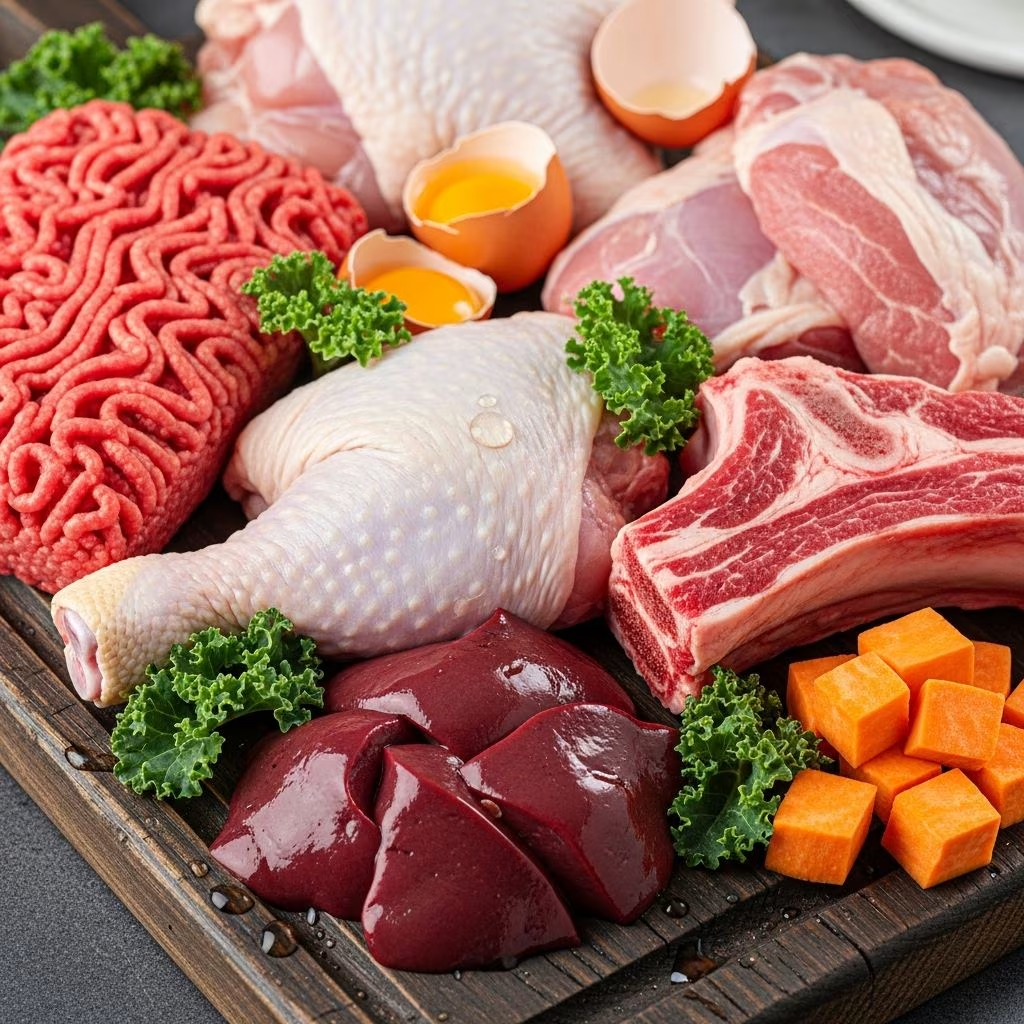
The question of whether dogs should eat raw meat has become increasingly popular among pet owners seeking what they believe to be a more natural feeding approach. However, this topic remains highly controversial within veterinary medicine, with strong opinions on both sides despite limited scientific evidence supporting many of the claims made by raw diet advocates. Understanding the complexities of raw feeding requires examining both the purported advantages and the documented health risks that veterinarians consistently warn about.
Understanding the Appeal of Raw Feeding for Dogs
Many dog owners are drawn to raw meat diets based on the belief that they mirror what wild canines consume in nature. Proponents argue that processed commercial dog foods contain harmful additives, preservatives, and by-products that may contribute to various health issues. This philosophy has gained traction among those seeking to provide what they perceive as a superior nutritional foundation for their pets.
The appeal extends beyond philosophy to perceived practical benefits. Advocates claim that raw diets can improve overall canine wellness through several mechanisms, including better digestion of whole food ingredients, enhanced nutrient absorption, and reduction of artificial compounds found in traditional kibble.
Claimed Health Benefits of Raw Meat Consumption
Supporters of raw feeding point to multiple potential advantages that they believe this dietary approach offers:
- Improved digestive function: Raw food proponents argue that whole, unprocessed ingredients are easier for a dog’s digestive system to process, potentially leading to fewer allergic reactions and better nutrient absorption
- Enhanced coat and skin quality: The nutrients preserved in raw meat—including vitamin E, essential amino acids, and omega fatty acids—may support healthier skin and a shinier coat
- Increased energy levels: Raw diets typically contain high protein and low carbohydrates, which some owners report results in their dogs displaying increased vitality and playfulness
- Dental health improvements: Raw bones, when appropriately sized and supervised, may help reduce tartar buildup by naturally scrubbing tooth surfaces during chewing
- Reduced odor: Some advocates report decreased body odor and less pungent feces when dogs consume raw meat diets
- Behavioral improvements: Certain owners claim their dogs exhibit better behavior and improved mood on raw feeding protocols
The Critical Issue of Bacterial Contamination
The most significant concern veterinarians raise regarding raw meat diets involves pathogenic contamination. Raw meat can harbor dangerous bacteria including Salmonella, E. coli, and Listeria—organisms that pose serious risks to both the dog consuming the food and the humans living in the household.
A major epidemiologic study published in 2017 demonstrated that raw meat consumption was a significant risk factor for Salmonella shedding in dogs. This means that when a dog consumes contaminated raw meat, the bacteria can be shed through the animal’s feces and saliva, creating potential exposure pathways for household members. Certain populations face heightened vulnerability to these pathogens, including immunocompromised individuals, pregnant women, and developing fetuses.
The problem is compounded by the fact that it is nearly impossible to visually determine whether raw meat has been contaminated with pathogens. While cooking meat to proper temperatures effectively eliminates these harmful organisms, raw feeding eliminates this safety mechanism entirely.
Nutritional Imbalance Concerns
One of the most overlooked risks associated with raw meat diets is the challenge of achieving nutritional balance. Dogs require precise ratios of protein, fat, vitamins, and minerals to maintain optimal health. Creating a consistently balanced raw diet without professional oversight is considerably more difficult than many dog owners realize.
Research findings reveal the scope of this problem: when 200 recipes for healthy dogs were evaluated, 95 percent contained at least one essential nutrient below the recommended minimum amount, with many having multiple imbalances. This suggests that home-prepared raw diets—even those created with good intentions—frequently fall short of meeting a dog’s complete nutritional requirements.
Dogs may appear healthy despite nutritional deficiencies in their diet, as the effects can develop slowly over time. Vitamin and mineral imbalances can lead to serious health consequences including bone density problems, immune dysfunction, and other systemic issues that may not become apparent until significant damage has occurred.
Bone-Related Physical Hazards
Raw diets often incorporate whole bones, which many advocates believe are beneficial for dental health and natural nutrient provision. However, bones present several documented physical risks:
- Dental fractures: While raw bones are softer than cooked bones, they can still crack or break teeth, particularly in dogs with pre-existing dental weakness or older dogs with compromised tooth structure
- Choking hazards: Large bone fragments can lodge in the throat, creating emergency situations requiring veterinary intervention
- Digestive tract penetration: Bone fragments can perforate the esophagus, stomach, or intestines, potentially causing life-threatening internal bleeding
- Gastrointestinal obstruction: Bone fragments or the bone itself may create blockages that prevent normal digestive passage, potentially requiring surgical removal
Special Populations at Higher Risk
Certain dogs face considerably higher risks from raw meat diets than healthy adult dogs in their prime years. Puppies lack fully developed immune systems and may be overwhelmed by pathogens that an adult dog’s stomach acid could manage. Senior dogs often have compromised digestive function and weakened immune responses. Dogs with pre-existing health conditions including cancer, immune disorders, digestive diseases, or kidney problems should never consume raw meat diets without explicit veterinary approval.
These vulnerable populations cannot mount the same immune defense against bacterial contamination, making raw feeding particularly dangerous for them. Additionally, dogs with chronic digestive issues may struggle even more with raw food, despite claims that raw diets improve digestion.
Professional Veterinary Recommendations
Major veterinary organizations have issued clear guidance on this topic. The American Veterinary Medical Association, American Animal Hospital Association, and Canadian Veterinary Medical Association all discourage or recommend against feeding raw meat-based diets to dogs. These organizations base their positions on documented health risks to pets, other animals, and human household members.
The Delta Society’s Pet Partners Program explicitly excludes animals consuming raw meat diets from their therapy animal programs, reflecting concerns about pathogen transmission risk in clinical and care settings.
Scientific Evidence and the Knowledge Gap
A review published in the Journal of the American Veterinary Medical Association noted a significant gap in scientific support for raw feeding claims. While advocates cite numerous benefits, the article highlighted that strong opinions exist on both sides of the debate despite limited scientific data supporting either position. This means that many of the claimed advantages of raw feeding—while plausible—have not been rigorously proven through controlled scientific studies.
What is scientifically established, however, is that dogs possess highly acidic stomach acid designed to digest raw animal material and kill bacteria more effectively than human digestive systems. While this adaptation may provide dogs with some protection against pathogens, it does not eliminate all risks, particularly regarding pathogen transmission to humans through the dog’s feces and environment.
Safer Alternatives to Raw Feeding
Pet owners who desire the perceived benefits of raw feeding have alternatives that reduce associated health risks. High-quality commercial dog foods formulated by veterinary nutritionists provide complete and balanced nutrition without the contamination risks of raw meat. These foods often feature natural, whole ingredients without excessive processing or artificial additives.
For owners committed to home-prepared diets, working with a veterinary nutritionist is essential to ensure nutritional completeness and safety. Cooked meat provides many of the nutritional benefits without the bacterial contamination risk. Additionally, appropriate dental care practices including regular brushing and professional cleanings can achieve the dental benefits that raw bones purportedly provide.
Making an Informed Decision
The decision to feed raw meat requires careful consideration of both the claimed benefits and documented risks. While some of the perceived advantages—such as improved coat condition and increased energy—may occur, they can often be achieved through other, safer dietary approaches. The documented health risks, particularly bacterial contamination and nutritional imbalance, present serious concerns that should not be minimized.
Any dog owner considering a raw meat diet should consult with their veterinarian before implementing such a dietary change. This consultation becomes even more critical for puppies, senior dogs, and dogs with existing health conditions. If a veterinarian approves raw feeding for a specific dog, they should be involved in meal planning to ensure nutritional adequacy.
Frequently Asked Questions
Can dogs safely digest raw meat?
Dogs have higher stomach acid than humans, which helps them digest raw animal material and kill some bacteria. However, this does not guarantee complete safety from all pathogens, and bacterial contamination risk remains significant.
What bacteria are found in raw dog food?
Common bacteria in raw meat include Salmonella, E. coli, and Listeria. These organisms can affect the dog and create transmission risk to household humans.
Is raw meat nutritionally complete for dogs?
Most home-prepared raw diets are nutritionally incomplete without professional formulation. Studies show 95 percent of homemade raw recipes have at least one nutrient deficiency.
Are raw bones safe for dogs to eat?
Raw bones present risks including tooth fractures, choking, digestive obstruction, and internal perforation, though they are softer than cooked bones.
Can senior dogs eat raw meat safely?
Senior dogs face higher risks due to compromised immune systems and weakened digestive function, making raw diets particularly hazardous for this population.
References
- The Risks and Benefits of Raw Meat Diets for Dogs — Dr. Coates, PetMD. 2014. https://www.petmd.com/blogs/nutritionnuggets/dr-coates/2014/march/risks-and-benefits-raw-meat-diets-dogs-31455
- Pros and Cons of a Raw Food Diet for Dogs — MetLife Pet Insurance. https://www.metlifepetinsurance.com/blog/pet-care/raw-food-diet-for-dogs/
- What Happens When Dogs Eat Raw Meat: Exploring GI Physiology — University of Minnesota Open Textbook Library. https://open.lib.umn.edu/giphysiolessons/chapter/what-happens-if-we-feed-dogs-raw-meat/
- Can Dogs Eat Raw Meat? — Bottletree Animal Hospital. https://bottletreeanimalhospital.com/blog/can-dogs-eat-raw-meat/
- Can Dogs Eat Raw Meat? A Guide to Raw Diets for Dogs — CareCredit. https://www.carecredit.com/well-u/pet-care/raw-food-diets-dogs/
- Raw foods for dogs: Evidence-based advice from the Riney Canine Health Center — Cornell University College of Veterinary Medicine. https://www.vet.cornell.edu/departments-centers-and-institutes/riney-canine-health-center/canine-health-topics/raw-foods-dogs-evidence-based-advice-riney-canine-health-center
- Raw or Undercooked Animal Source Protein in Cat and Dog Diets — American Veterinary Medical Association. https://www.avma.org/resources-tools/avma-policies/raw-or-undercooked-animal-source-protein-cat-and-dog-diets



