

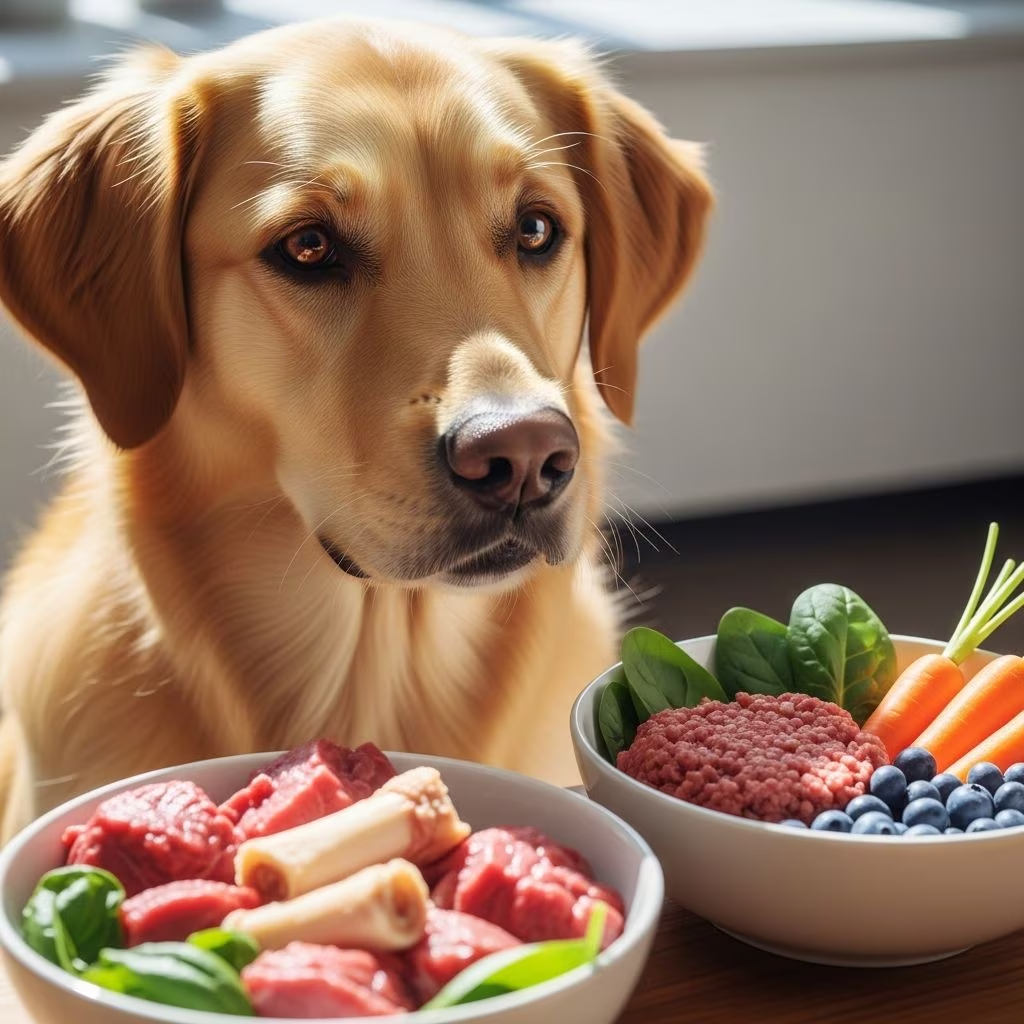
Raw Food Diet for Dogs: Benefits, Risks & Complete Feeding Guide
The raw food diet for dogs has gained significant popularity among pet owners seeking more natural feeding options for their companions. Also known as BARF (Biologically Appropriate Raw Food), this feeding approach involves giving dogs uncooked meat, organs, bones, and sometimes vegetables. While many advocates praise the potential health benefits, veterinarians and regulatory agencies emphasize important safety considerations. Understanding both the advantages and disadvantages of raw feeding is essential before making this dietary change for your dog.
Understanding Raw Food Diets for Dogs
A raw food diet for dogs typically consists of uncooked muscle meat, organ meat, and whole or ground bones, sometimes supplemented with vegetables, fruits, and supplements. This feeding philosophy is based on the belief that dogs are carnivores whose ancestors hunted and consumed raw prey, and therefore, they thrive on diets mimicking this natural feeding pattern.
Raw diets can be either commercially prepared products or homemade formulations created by pet owners. Commercial raw diets are often sold frozen or freeze-dried and may include pre-portioned meals or bulk ingredients. Homemade raw diets require careful planning to ensure nutritional completeness and balance.
Potential Benefits of Raw Food Diets
Improved Digestion and Nutrient Absorption
Many advocates of raw feeding report that dogs experience improved digestion when transitioning from processed kibble to raw foods. Since raw diets contain no artificial additives, fillers, or grains often found in commercial pet foods, dogs can more easily process and absorb the nutrients they consume. This improved digestibility may result in less bloating, reduced gas production, and overall better gastrointestinal health.
Enhanced Coat Quality and Skin Health
Supporters of raw diets frequently observe improvements in their dogs’ coat appearance and skin condition. The higher fat content present in raw meat, particularly from quality sources, provides essential fatty acids that promote a shinier, healthier coat. Additionally, dogs on raw diets may experience improved skin texture and reduced itching or irritation, particularly those with food sensitivities.
Increased Energy Levels and Vitality
Raw diets rich in high-quality protein and healthy fats provide sustained energy throughout the day. Unlike highly processed kibble, which can cause blood sugar fluctuations, raw feeding offers consistent energy levels. This benefit is particularly valuable for working dogs, highly active breeds, and senior dogs requiring additional nutritional support for maintaining muscle mass.
Smaller and Less Odorous Stools
Because raw food contains fewer fillers and additives, dogs absorb more nutrients and produce less waste. Pet owners often notice that their dogs have smaller, firmer, and significantly less odorous stools when fed raw diets. This reduction in stool volume and odor is a direct result of improved digestibility and nutrient absorption.
Potential Reduction in Food Allergies
Commercial dog foods, especially lower-quality options, frequently contain additives and ingredients that may trigger food sensitivities or allergies in susceptible dogs. Since raw diets consist of whole, unprocessed ingredients without synthetic additives or preservatives, they may help reduce allergic reactions and food sensitivities in some dogs.
Better Weight Management
Raw diets typically contain higher protein levels and lower carbohydrate content compared to traditional kibble. This nutritional profile can help dogs maintain a healthy weight while supporting lean muscle development and strength. The protein-rich nature of raw feeding supports metabolic functions and satiety, potentially preventing overeating and weight gain.
Enhanced Immune Function
Raw feeding advocates suggest that this dietary approach may strengthen the immune system by promoting a healthy gut microbiome. The combination of meats, organs, and bones supplies essential nutrients that support the body’s natural defenses. Dogs fed raw diets may potentially experience fewer illnesses, faster recovery from illness, and improved overall joint health.
Improved Dental Health
Feeding raw meaty bones can contribute to better dental hygiene. The mechanical action of chewing and consuming raw bones naturally cleans teeth, reduces plaque buildup, and may improve breath odor. This natural teeth-cleaning benefit is one reason many pet owners are attracted to raw feeding.
Significant Risks and Concerns
Bacterial Contamination and Food Safety Hazards
One of the most serious concerns with raw meat diets is the potential for bacterial contamination. Raw and undercooked meats may harbor harmful pathogens including Salmonella, E. coli, Listeria, and Campylobacter. While dogs have more acidic stomachs than humans, they are not immune to these infections. This risk affects not only the dog but also family members handling the raw food, particularly immunocompromised, elderly, or young individuals. The Centers for Disease Control and Prevention and the American Veterinary Medical Association have both raised concerns about these food safety risks.
Nutritional Imbalances and Deficiencies
Ensuring a raw diet is complete and balanced presents significant nutritional challenges. Studies have found that many raw diets—both homemade and commercially available—contain nutritional deficiencies or excesses that could cause serious health problems over time. Specific vitamins and minerals crucial for canine health may be absent from raw ingredients, leading to deficiencies. Conversely, excessive amounts of protein, fat, or other nutrients can cause issues including anemia, low bone density, and liver failure. Many pet owners require assistance from animal nutrition experts or must add commercial supplements to ensure their dog receives all necessary nutrients.
Choking and Bone-Related Injuries
Feeding raw bones carries inherent risks. Whole or large bone fragments can pose choking hazards, break or chip teeth, or cause internal punctures and gastrointestinal obstructions. Even ground bones can occasionally cause problems. Pet owners must carefully select appropriate bone sizes and types for their dogs and maintain close supervision during feeding.
Digestive Upset During Transition
Transitioning too rapidly from traditional food to a raw diet can cause digestive issues including vomiting, diarrhea, and gas. Dogs accustomed to kibble for years may require a gradual transition period to allow their digestive systems to adapt. Some dogs may be particularly sensitive and require extended adjustment periods.
Higher Costs and Storage Requirements
Raw diets are typically significantly more expensive than commercial kibble, depending on ingredient quality and sourcing. High-quality raw meat, organs, and bones cost substantially more than processed dog food. Additionally, raw feeding demands adequate freezer space, increased energy costs for storage, and considerable time for food preparation and handling.
Pathogen Shedding and Household Risk
Dogs consuming raw diets with pathogenic bacteria may shed these organisms in their stool, creating transmission risks to human family members[10]. Households with immunocompromised individuals, young children, or elderly family members face heightened risk from this exposure.
Dogs That Should Not Eat Raw Food
Certain dogs are not appropriate candidates for raw feeding. Dogs with late-stage kidney disease or severe liver failure should avoid raw diets due to their high protein content. Dogs with pancreatitis or other digestive issues should start with cooked homemade diets and resolve their problems before considering raw feeding. Dogs with cancer, those undergoing chemotherapy, or dogs with immunosuppressive diseases should not consume raw food. Additionally, puppies are not suitable candidates for raw diets.
Raw Food Diet Comparison Table
| Factor | Raw Food Diet | Traditional Kibble |
|---|---|---|
| Digestibility | High (minimal fillers) | Moderate to Low |
| Cost | High | Low to Moderate |
| Bacterial Risk | Significant | Minimal |
| Nutritional Balance | Requires expertise | Formulated by experts |
| Preparation Time | High | Minimal |
| Storage Requirements | Extensive freezer space | Standard storage |
Guidelines for Safe Raw Feeding
If you decide to feed your dog a raw diet, following certain guidelines can help minimize risks. Work with a veterinary nutritionist to formulate a complete and balanced diet tailored to your dog’s specific needs, age, and health status. Source high-quality, human-grade meat from reputable suppliers. Practice rigorous food safety and hygiene measures, including separate preparation areas, utensils, and storage. Maintain proper freezer and refrigeration temperatures. Introduce raw food gradually over 7-10 days to allow digestive adjustment. Monitor your dog closely for any signs of digestive upset, allergic reactions, or other health changes. Schedule regular veterinary check-ups and consider nutritional blood work to ensure your dog is receiving adequate nutrition.
Frequently Asked Questions
Q: Is raw dog food nutritionally complete?
A: Many raw diets lack nutritional completeness and balance. Studies have found that both homemade and some commercially available raw diets contain deficiencies or excesses that could cause health problems. Working with a veterinary nutritionist is essential to ensure complete nutrition.
Q: Can raw food cause bacterial infections in dogs?
A: Yes, raw meat can contain harmful bacteria including Salmonella, E. coli, and Listeria. While dogs have acidic stomachs, they are not immune to these pathogens and can become infected or shed bacteria in their stool.
Q: How should I transition my dog to a raw food diet?
A: Transition gradually over 7-10 days, mixing increasing amounts of raw food with the current diet. Rapid transitions can cause digestive upset including vomiting and diarrhea.
Q: Are raw bones safe for dogs?
A: Raw bones carry risks including choking, broken teeth, and internal punctures. Select appropriate bone sizes and types for your dog, and always supervise feeding. Avoid cooked bones, which are more prone to splintering.
Q: Which dogs should not eat raw food?
A: Dogs with kidney disease, liver failure, pancreatitis, cancer, immunosuppressive conditions, or puppies should not eat raw food. Consult with your veterinarian about your dog’s suitability for raw feeding.
Q: How do I ensure my raw dog food diet is balanced?
A: Work with a veterinary nutritionist to formulate a complete diet, include variety in proteins and organs, consider supplements if necessary, and have regular blood work performed to monitor nutritional status.
References
- Raw Diet for Dogs | Benefits, Risks & Feeding Guide — Noble Vet Clinic. 2024. https://noblevetclinic.com/blog/raw-diet-for-dogs
- The Risks and Benefits of Raw Meat Diets for Dogs — PetMD, Dr. Jennifer Coates. 2014-03. https://www.petmd.com/blogs/nutritionnuggets/dr-coates/2014/march/risks-and-benefits-raw-meat-diets-dogs-31455
- Raw Dog Food: Dietary Concerns, Benefits, and Risks — WebMD Pets. 2024. https://www.webmd.com/pets/dogs/features/raw-dog-food-dietary-concerns-benefits-and-risks
- Benefits and Risks of a Raw Dog Food Diet — Wellness Pet Food. 2024. https://www.wellnesspetfood.com/blog/benefits-and-risks-of-a-raw-dog-food-diet/
- Pros and Cons of a Raw Food Diet for Dogs — MetLife Pet Insurance. 2024. https://www.metlifepetinsurance.com/blog/pet-care/raw-food-diet-for-dogs/
- Raw diets for dogs and cats: a review, with particular emphasis on zoonotic and toxicological concerns — Davies RH, et al. PubMed Central. 2019. https://pmc.ncbi.nlm.nih.gov/articles/PMC6849757/
- The Dangers of Homecooked and Raw Diets for Pets — AMCNY (Animal Medical Center New York). 2023-10-25. https://www.amcny.org/blog/2023/10/25/the-dangers-of-homecooked-and-raw-diets-for-pets/



