

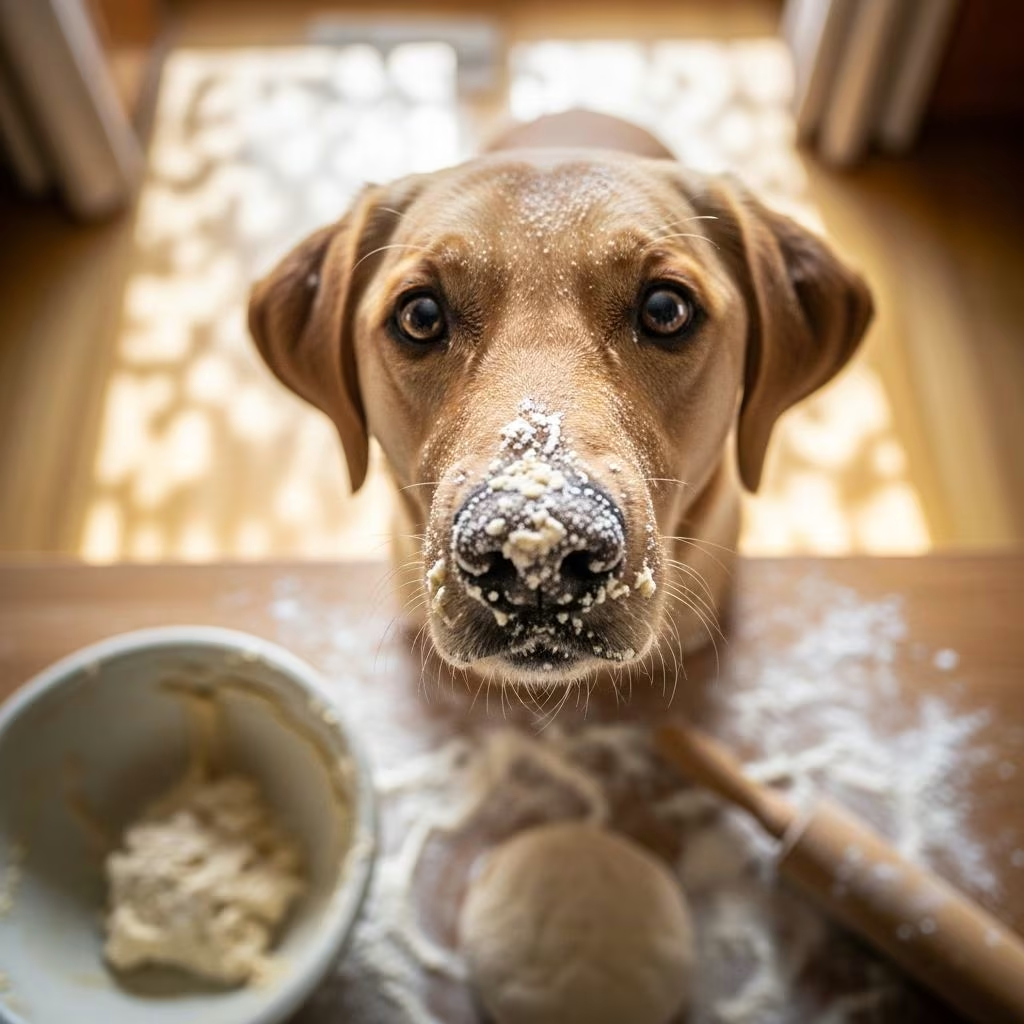
Uncooked bread dough, a staple in many kitchens, harbors hidden perils for household animals, particularly dogs known for their curious appetites. When pets consume this raw mixture containing active yeast, it triggers a cascade of biological reactions inside their digestive system, potentially leading to life-threatening conditions. This article delves into the mechanisms behind this toxicity, recognizable symptoms, diagnostic approaches, effective interventions, and practical steps to safeguard animals from such incidents.
The Hidden Fermentation Process
At the core of raw dough toxicity lies the natural activity of yeast, a microorganism that thrives in warm, moist conditions. In a pet’s stomach, which mimics an ideal incubator with its body temperature around 101-102°F (38-39°C), yeast rapidly metabolizes sugars from the flour. This fermentation produces two critical byproducts: carbon dioxide gas and ethanol (alcohol).
The carbon dioxide causes the dough to expand dramatically, sometimes filling the entire stomach and pressing against vital organs. This distension can impair blood flow to the stomach wall, heighten breathing difficulties by compressing the diaphragm, and in worst scenarios, precipitate a twisted stomach known as gastric dilatation-volvulus (GDV), a surgical crisis more common in large breeds like Great Danes or German Shepherds.
Simultaneously, ethanol absorbs quickly into the bloodstream, leading to intoxication effects akin to those in humans but far more hazardous due to pets’ smaller size and metabolic differences. Unlike baked bread, which renders yeast inactive through heat, raw dough remains a live fermenting mass.
Recognizing the Warning Signs
Symptoms emerge swiftly, often within an hour of ingestion, though delays up to several hours occur if dough ferments slowly. Initial indicators focus on the gut: pets may exhibit a swollen belly, repeated but fruitless vomiting attempts, restlessness, and unproductive retching signaling distress.
As ethanol levels rise, neurological effects dominate: staggering gait (ataxia), confusion, excessive vocalizing, and drunken-like behavior. Advanced stages bring severe lethargy, weakness, low body temperature, low blood sugar (hypoglycemia), acidic blood (metabolic acidosis), slowed breathing, heart irregularities, seizures, coma, or collapse. Fatalities stem primarily from ethanol overload rather than bloating alone, though combined risks amplify danger.
- Early gut signs: Bloating, retching, restlessness
- Alcohol effects: Ataxia, disorientation, vocalization
- Severe progression: Hypothermia, coma, respiratory failure
Who Faces the Greatest Risk?
Dogs top the list of victims due to their scavenging nature, with any size or breed susceptible, though deep-chested giants face elevated GDV odds. Cats rarely partake, often shunning the taste or texture. Other animals like livestock or wildlife might encounter dough but veterinary data spotlights companion pets.
Quantity matters: even modest amounts prove hazardous relative to body weight. No precise toxic threshold exists, but moderate-to-severe effects classify this hazard, urging immediate action post-exposure.
| Animal Type | Susceptibility | Key Risks |
|---|---|---|
| Dogs | High | GDV, ethanol poisoning |
| Cats | Low | Rare ingestion |
| Large Breeds | Very High | Stomach torsion |
Confirming the Condition
Veterinarians rely on history—recent dough access paired with symptoms—for presumptive diagnosis. Physical exams reveal abdominal enlargement; blood tests confirm elevated ethanol, though not always immediately accessible. Acid-base imbalances, low glucose, and imaging like X-rays showing a gas-filled mass aid confirmation.
Differentials include GDV, foreign bodies, antifreeze poisoning (ethylene glycol mimicking drunkenness), or sedative overdoses. Blood ethanol quantification, when available, provides definitive proof.
Immediate Response Strategies
Time-critical decisions define outcomes. For asymptomatic pets within 30 minutes of ingestion, induce vomiting using hydrogen peroxide (under vet guidance) to expel dough. Avoid if symptoms appear, as manipulation risks aspiration or worsens distension.
Hospital care escalates with gastric lavage using chilled water or saline to halt fermentation—cold slows yeast activity. IV fluids combat dehydration, acidosis, and low sugar; monitoring tracks heart, lungs, and ethanol clearance. Activated charcoal skips utility here, failing to bind dough.
Surgical removal becomes necessary for persistent masses causing obstruction or GDV. Supportive measures like warming hypothermia or anti-seizure drugs address complications. Prognosis shines excellent with prompt intervention; delays invite peril.
Preventive Measures for Pet Owners
Proactivity trumps reaction. Secure dough in elevated, locked spots during rising. Bake promptly or refrigerate to curb appeal. Educate family on risks, especially holidays when baking surges.
- Never leave dough unattended on counters
- Use baby gates to block kitchen access
- Opt for yeast-free recipes if pets roam freely
- Contact poison hotlines immediately on suspicion
Insights from Veterinary Experts
Organizations like ASPCA Animal Poison Control stress dough’s dual threat: mechanical obstruction plus biochemical assault. Studies, including case reports from Wiley journals, document recoveries post-aggressive care, reinforcing early vet visits.
VETgirl resources highlight cold lavage efficacy, while Pet Poison Helpline notes rising holiday cases, urging awareness.
Frequently Asked Questions
Is baked bread safe for pets?
Yes, baking kills yeast, eliminating fermentation risks. Small amounts pose no issue beyond calories.
What if my pet ate a tiny bit?
Monitor closely; call vet or hotline (e.g., ASPCA at 888-426-4435) for weight-based advice. Better safe than sorry.
Can cats get this poisoning?
Rarely, as they avoid it, but possible if tempted. Symptoms mirror dogs.
How long do effects last?
Hours to days with treatment; ethanol clears via liver, dough digests slowly.
Prevent GDV in at-risk breeds?
Prophylactic gastropexy surgery for predisposed dogs, plus avoiding triggers like dough.
Long-Term Health Considerations
Survivors typically rebound fully, but repeated exposures or delayed care might scar stomachs or impair livers. Annual checkups for scavenging-prone pets prove wise. Owners of deep-chested breeds should discuss GDV prevention.
Rising home baking trends amplify encounters; statistics from poison centers show seasonal spikes. Awareness campaigns by vet associations aim to curb incidents through education.
References
- Bread Dough Poisoning in Pets — Pet Poison Helpline. 2023. https://www.petpoisonhelpline.com/veterinarian-blog/bread-dough-poisoning-in-pets/
- The Dangers of Homemade Bread to Your Pet — HSVC.org. 2022. https://www.hsvc.org/the_dangers_of_homemade_bread_to_your_pet
- Bread Dough Toxicity in a Dog | VETgirl Veterinary CE Videos — VETgirl. 2015-03-03. https://www.youtube.com/watch?v=Ov3HA5Ezyx0
- Bread Dough Toxicosis in Animals — Merck Veterinary Manual. 2023. https://www.merckvetmanual.com/toxicology/food-hazards/bread-dough-toxicosis-in-animals
- Holiday Baking Advisory Concerning Your Pets: The Dangers of Dough — ASPCA. 2023. https://www.aspca.org/news/holiday-baking-advisory-concerning-your-pets-dangers-dough
- Bread dough toxicosis in dogs — Wiley Online Library. 2003. https://onlinelibrary.wiley.com/doi/abs/10.1046/j.1435-6935.2003.00068.x



