

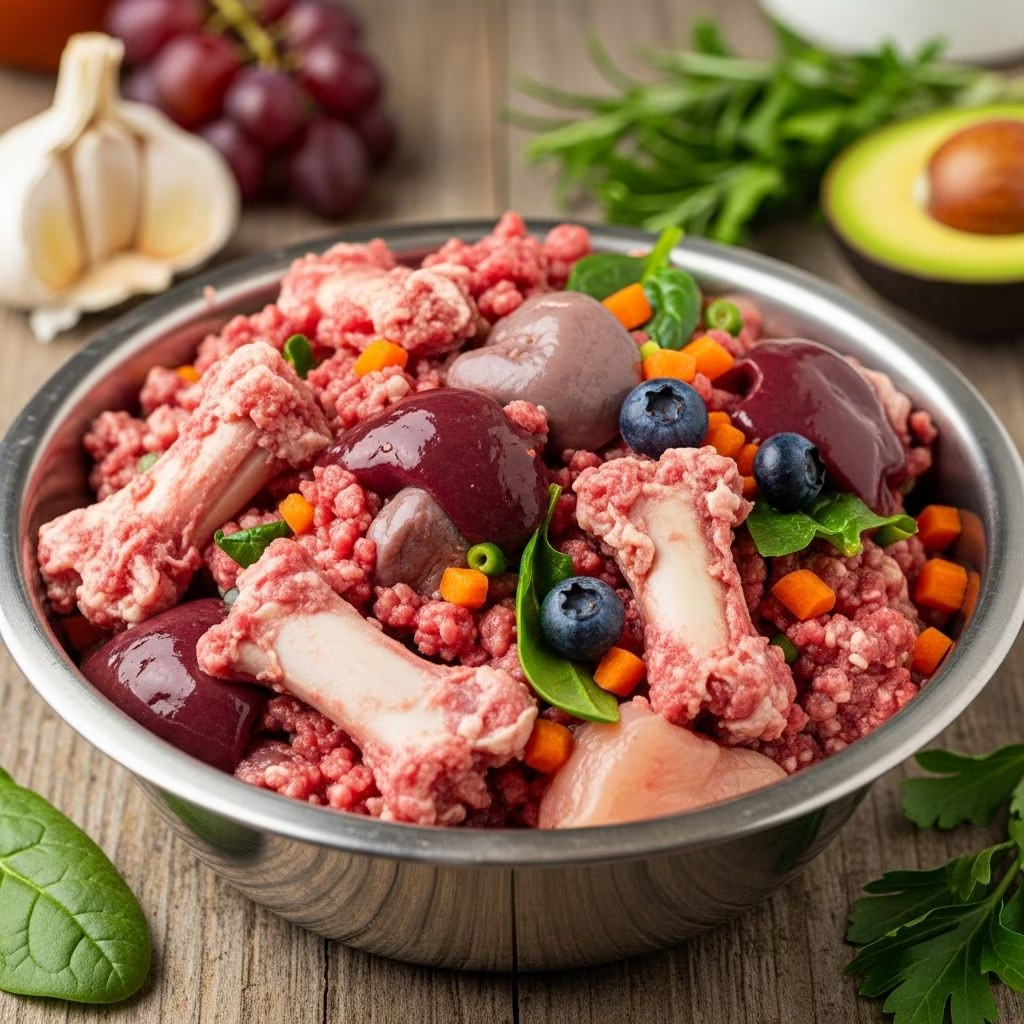
The decision to feed your dog a raw food diet represents one of the most significant nutritional choices a pet owner can make. Over the past decade, raw feeding has gained substantial traction among dog enthusiasts who believe that uncooked, whole foods more closely mirror what canines would consume in their natural state. However, this alternative feeding approach comes with considerable debate regarding safety, particularly concerning bacterial contamination and proper nutritional balance. Understanding both the potential benefits and legitimate health risks is essential before transitioning your dog to a raw food regimen.
Understanding the Raw Food Movement in Canine Nutrition
Raw dog food diets typically consist of uncooked muscle meat, organs, bones, and sometimes vegetables or supplements. Proponents argue that this feeding method aligns with evolutionary canine dietary patterns and preserves nutritional integrity that conventional cooking processes may compromise. The movement has gained momentum as pet owners seek alternatives to commercially processed kibble and canned foods, which often contain preservatives, artificial additives, and fillers.
The fundamental premise underlying raw feeding philosophy centers on the belief that cooking denatures essential nutrients, destroys beneficial enzymes, and introduces potentially harmful compounds through heat processing. Advocates contend that by offering meals closer to nature’s intended design, dogs receive superior nutritional support that manifests in observable health improvements.
Documented Health Advantages Associated with Raw Feeding
Research and anecdotal evidence from raw-feeding communities have documented numerous potential benefits that appeal to conscientious dog owners seeking optimal health outcomes for their pets.
Enhanced Digestive Function and Reduced Waste Production
One of the most frequently cited advantages of raw feeding involves improved digestive efficiency. Raw meat and bone require less processing by the canine digestive system compared to kibble, resulting in smaller, firmer stools with significantly reduced odor. This occurs because raw food provides superior bioavailability of nutrients and contains minimal indigestible fillers that contribute to excessive waste production. For apartment dwellers and urban dog owners, the reduction in stool volume and odor represents a tangible quality-of-life improvement.
Coat Quality and Skin Health Improvements
Raw diets naturally contain elevated levels of essential fatty acids, particularly omega-3 and omega-6 compounds, which support dermal health and coat quality. These fatty acids help maintain skin moisture, reduce inflammatory responses, and may decrease the incidence of allergic skin conditions. Many dog owners report that their pets develop noticeably softer, shinier coats within weeks of transitioning to raw feeding, along with reduced scratching and improved overall skin condition.
Dental Health and Breath Improvement
Raw bones and meat provide natural abrasive action that mechanically removes plaque and tartar buildup from teeth surfaces. Unlike processed foods that can promote plaque accumulation, the act of chewing and consuming raw bone material essentially creates a self-cleaning mechanism. This natural teeth cleaning contributes to fresher breath, healthier gums, and reduced bacterial growth in the oral cavity, potentially extending tooth longevity and reducing the need for professional dental procedures.
Immune System Support and Disease Resistance
Raw food contains concentrated levels of vitamins, minerals, and antioxidants that support robust immune function. The elimination of synthetic additives and processed ingredients reduces immune system burden, allowing canine bodies to allocate energy toward fighting genuine pathogens. Additionally, the nutrient-dense nature of raw food means dogs feel satisfied with smaller portions, potentially reducing overfeeding and its associated metabolic stress.
Joint and Bone Health Enhancement
The balanced calcium-to-phosphorus ratio naturally present in raw diets supports skeletal integrity and joint mobility, particularly beneficial for aging dogs or breeds prone to orthopedic issues. Raw bones provide glucosamine, chondroitin, collagen, and marrow—compounds essential for cartilage health and connective tissue maintenance. The physical act of chewing raw bones also engages muscles and joints, promoting functional strength and flexibility.
Bacterial Contamination: The Primary Safety Concern
Despite documented benefits, raw feeding introduces legitimate health risks that cannot be dismissed or minimized. The most significant concern involves pathogenic bacterial contamination in uncooked meat and bone products.
Pathogenic Bacteria and Cross-Contamination Risks
Raw meat naturally harbors bacteria including Salmonella and E. coli, which can cause serious illness in both dogs and their human handlers. The U.S. Food and Drug Administration explicitly warns that raw pet food products carry substantially higher bacterial contamination risk compared to heat-processed alternatives. When dogs consume contaminated raw food, they may develop gastrointestinal infections characterized by vomiting, diarrhea, abdominal pain, and systemic illness. Moreover, infected dogs shed pathogenic bacteria through their feces and saliva, creating transmission risks for household members, particularly children, elderly individuals, and immunocompromised persons.
Cross-contamination in the home environment represents an underestimated hazard. Surfaces contacting raw meat—including food bowls, preparation areas, and surrounding floors—become vectors for bacterial transmission if not meticulously sanitized. The 30-minute consumption window required to prevent spoilage further complicates safe handling protocols.
Individual Susceptibility Factors
Certain populations face elevated risk from pathogenic exposure. Puppies with developing immune systems, senior dogs with declining immune competence, and dogs with pre-existing health conditions or immunosuppressive medications face disproportionately severe consequences from bacterial infections. Similarly, households containing infants, elderly relatives, or immunocompromised individuals must consider whether raw feeding introduces unacceptable infection transmission risk.
Nutritional Imbalance and Deficiency Risks
Beyond bacterial concerns, poorly formulated raw diets frequently result in nutritional inadequacies that accumulate over extended feeding periods.
Mineral and Vitamin Deficiencies
Developing appropriate mineral balance requires precise knowledge of canine nutritional requirements. Diets heavily weighted toward muscle meat without proper organ and bone inclusion can result in insufficient calcium, phosphorus, and micronutrient intake, particularly problematic for growing puppies. Vitamin deficiencies may develop insidiously over months or years before clinical signs become apparent, potentially resulting in permanent developmental damage in young dogs.
Vitamin A Toxicity from Organ Overconsumption
Conversely, raw diets emphasizing organ meats—particularly liver—may provide excessive vitamin A that accumulates to toxic levels over time. Chronic vitamin A toxicity causes bone deformities, joint pain, fragile bones prone to fractures, and potentially irreversible skeletal damage. The margin between therapeutic and toxic vitamin A levels is relatively narrow, making organ inclusion without careful quantification potentially dangerous.
Calcium-to-Phosphorus Ratio Complications
The appropriate calcium-to-phosphorus ratio in canine diets is critical, particularly for growing dogs. Incorrect proportions can interfere with mineral absorption, disrupt endocrine function, and result in skeletal deformities or metabolic bone disease. Many home-prepared raw diets inadvertently create imbalanced ratios, especially when owners rely on intuition rather than precise nutritional calculations.
Anatomical and Digestive Complications
Beyond pathogenic and nutritional concerns, the physical structure of raw food components introduces specific injury risks.
Bone-Related Injuries and Obstructions
While proponents advocate raw bones as natural and beneficial, whole uncooked bones present genuine hazards. Bone fragments can splinter, causing mouth lacerations, broken teeth, or esophageal damage during swallowing. Fragments may lodge in the digestive tract, creating intestinal blockages requiring surgical intervention. Additionally, sharp bone edges can perforate intestinal walls, causing peritonitis and life-threatening sepsis. Ground bone presents lower injury risk but requires careful sourcing and handling to ensure appropriate particle size and safety.
Choking Hazards
Improperly sized or structured bone pieces pose choking risk, particularly for enthusiastic eaters who consume rapidly without thorough mastication. Some dog breeds with anatomical predispositions toward rapid consumption face elevated risk from larger bone pieces.
Financial and Practical Considerations
Beyond health concerns, raw feeding presents practical challenges that affect sustainability and long-term adherence.
Cost Implications
Raw feeding typically costs substantially more than commercial kibble, potentially two to three times higher for premium ingredients. For households with multiple dogs or limited budgets, these increased expenses may prove prohibitive, particularly if combined with supplementation required to address nutritional gaps.
Storage and Preparation Demands
Raw food requires dedicated freezer space, careful thawing protocols, and meticulous sanitation procedures. The preparation time commitment and hygiene requirements represent significant lifestyle adjustments that some owners find impractical, particularly those with busy schedules or multiple household responsibilities.
Transitioning Safely: Practical Recommendations
If raw feeding aligns with your philosophy and circumstances, several practices minimize associated risks:
- Veterinary Consultation: Before transitioning, consult with your veterinarian, particularly if your dog has health conditions, receives medications, or lives with vulnerable household members.
- Gradual Transition: Introduce raw food slowly over 7-14 days, gradually replacing commercial food to allow digestive adaptation and monitor for adverse reactions.
- Nutritional Formulation: Work with veterinary nutritionists to develop balanced recipes including appropriate ratios of muscle meat, organ meat, and bone, supplemented with necessary vitamins and minerals.
- Source Verification: Source raw ingredients from reputable suppliers with food safety practices, avoiding ingredients from unknown origins or questionable sanitation standards.
- Sanitation Protocols: Establish strict hygiene practices including dedicated food preparation surfaces, regular sanitization, separate handling from human food preparation, and appropriate handwashing procedures.
- Consumption Timing: Feed raw meals within 30 minutes of removal from storage, discarding unconsumed portions to prevent pathogenic growth.
Frequently Asked Questions About Raw Dog Food Safety
Can dogs become carriers of bacteria without showing illness?
Yes. Dogs may harbor and shed pathogens like Salmonella without displaying clinical symptoms themselves, creating household transmission risks despite the dog appearing completely healthy. This asymptomatic shedding complicates infection control efforts.
Is frozen raw food safer than fresh?
Freezing slows bacterial multiplication but does not eliminate existing pathogens. Upon thawing, bacterial growth resumes rapidly. While freezing provides some safety margin compared to fresh raw food, it does not eliminate contamination risk entirely.
What makes commercial raw pet foods safer than home-prepared options?
Commercially produced raw foods undergo food safety testing and quality control procedures, though the FDA notes that even commercially produced raw pet foods carry higher contamination risk than processed alternatives. Home-prepared raw diets lack standardized safety protocols and independent testing.
Can properly formulated raw diets meet all canine nutritional requirements?
Yes, when formulated by veterinary nutritionists with precise calculations and appropriate supplementation, raw diets can provide complete nutrition. However, this requires expertise beyond typical dog owner knowledge and careful ongoing monitoring.
Conclusion: Weighing Individual Circumstances
Raw dog feeding represents a complex decision requiring honest assessment of potential benefits against legitimate safety concerns. While documented health advantages including improved coat quality, enhanced digestion, and better dental health appeal to many owners, bacterial contamination risks and nutritional complexity cannot be overlooked. The appropriate feeding strategy depends on individual circumstances including household composition, dog health status, owner knowledge and commitment to proper protocols, and veterinary guidance. Responsible pet ownership demands that emotion and trend not override scientific evidence regarding food safety, particularly when vulnerable household members may face infection transmission risk.
References
- The Benefits and Risks of the Raw Food Diet — Springtime Inc. Accessed March 2026. https://www.springtimeinc.com/product/benefits-risks-raw-food-diet/blog
- Does A Raw Dog Food Diet Have Any Benefits? The Pros And Cons of Going Raw — Hero Pet Health. Accessed March 2026. https://heropethealth.com.au/blog/does-a-raw-dog-food-diet-have-any-benefits-the-pros-and-cons-of-going-raw
- Health Benefits of Raw Food – Why Raw Food is Best for Dogs — Leading Raw. Accessed March 2026. https://www.leadingraw.com/education-centre/health-benefits-of-raw-food/
- Learn the Benefits and Risks of a Raw Diet for Dogs — UK Pets. Accessed March 2026. https://www.ukpets.com/blog/benefits-and-risks-of-raw-diet-for-dogs/



