
Raw Diets for Dogs: Benefits vs Risks
Explore the potential advantages and serious health concerns of feeding dogs raw food diets, backed by expert insights.
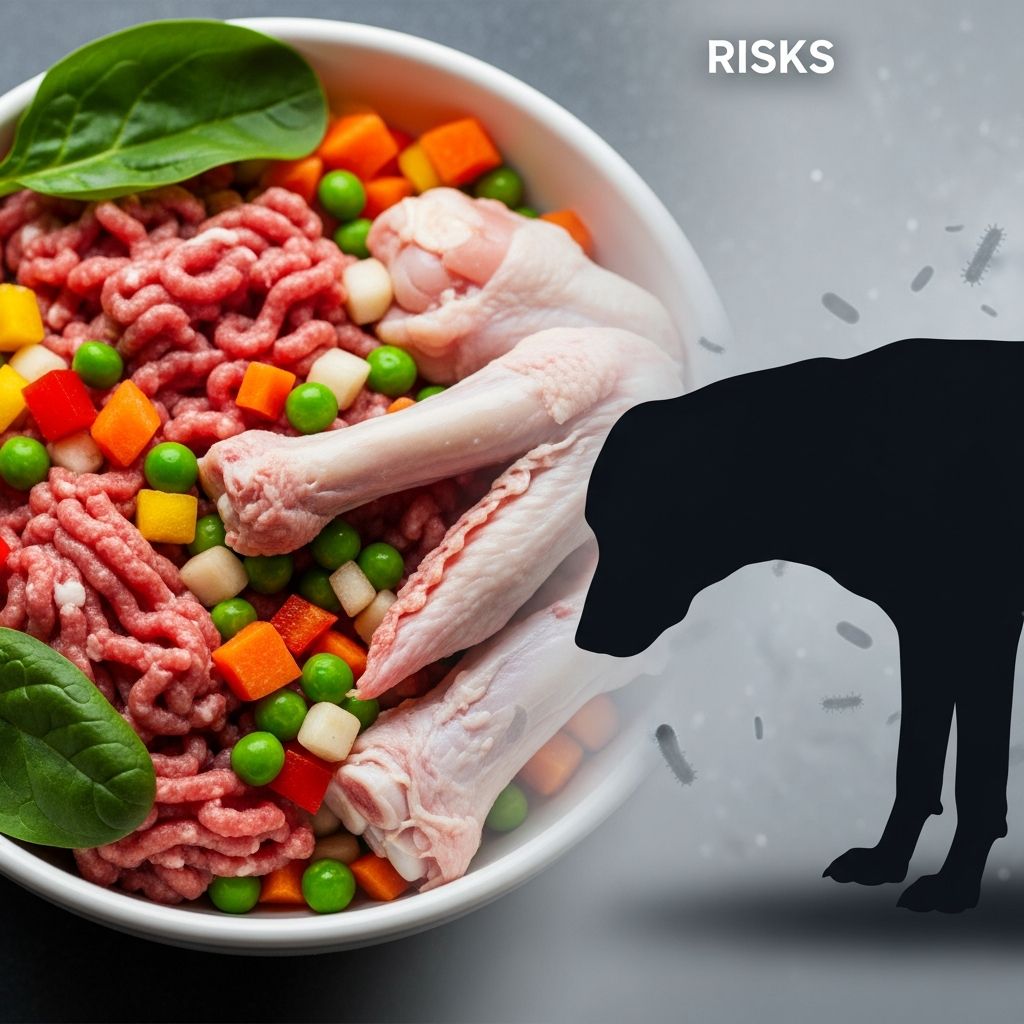
Raw diets for dogs, often called BARF (Biologically Appropriate Raw Food) or prey model diets, involve feeding uncooked meat, bones, organs, and sometimes vegetables. Proponents claim these mimic a dog’s ancestral eating habits, potentially leading to better health outcomes. However, veterinary authorities highlight substantial risks, including bacterial contamination and nutritional shortfalls that could harm both pets and owners.
Understanding Raw Feeding Approaches
Raw diets typically consist of 70-80% muscle meat, 10-15% edible bones, 5-10% organs like liver and kidney, and small amounts of vegetables or fruits for fiber. Commercial raw foods are frozen or freeze-dried patties, while homemade versions allow customization but demand precise balancing.
These diets aim to replicate wild canid meals, avoiding processed kibble’s grains and preservatives. Yet, achieving nutritional equilibrium requires knowledge of canine requirements for proteins, fats, vitamins, and minerals like calcium and phosphorus.
Potential Health Advantages
Many raw feeders report observable improvements in their dogs’ vitality. Common anecdotal benefits include:
- Glossy coats and vibrant skin: Higher moisture and natural oils may reduce dryness and itching.
- Increased energy: Dogs often appear more playful with sustained stamina throughout the day.
- Cleaner teeth: Chewing raw bones and meat can scrape plaque, potentially decreasing tartar buildup.
- Firmer, smaller stools: Better digestibility leads to less waste volume.
- Enhanced muscle tone: Quality proteins support lean body mass.
Some studies note shifts in gut microbiomes, possibly improving stool consistency, though robust clinical trials confirming these effects remain limited.
Major Safety Concerns
Despite enthusiasm, raw diets carry documented hazards. The U.S. Food and Drug Administration (FDA) warns of elevated pathogen presence in raw pet foods compared to processed varieties. Key risks encompass:
- Bacterial threats: Pathogens like Salmonella, Listeria monocytogenes, and E. coli thrive in uncooked meat, risking infections in dogs and cross-contamination to humans, especially vulnerable groups like children or immunocompromised individuals.
- Bone-related injuries: Raw bones, while softer than cooked, can still splinter, causing choking, tooth fractures, or intestinal blockages and punctures.
- Nutritional imbalances: Analyses of both homemade and commercial raw recipes reveal excesses or deficiencies in calcium, phosphorus, vitamins, and fats, potentially causing bone weakness, anemia, or organ strain over time.
A Cornell University veterinary nutritionist observes clinical signs like dull coats from fat shortages or anemia from protein-fat mismatches in unbalanced raw plans. An FDA study found one-third of online-purchased frozen raw diets contaminated with harmful bacteria.
Who Should Avoid Raw Diets?
Not all dogs suit raw feeding. Contraindications include:
| Condition | Risk with Raw Diet |
|---|---|
| Advanced kidney or liver disease | High protein overloads compromised organs |
| Pancreatitis or GI disorders | Rich fats exacerbate inflammation |
| Cancer or immunosuppression | Bacteria heighten infection vulnerability |
| Puppies under 6 months | Developing systems sensitive to pathogens and imbalances |
| Pregnant or nursing females | Nutrient demands amplify deficiency risks |
Veterinarians recommend cooked homemade trials first for dogs with digestive issues before considering raw transitions.
Formulating a Balanced Raw Plan
Success hinges on precision. Guidelines suggest:
- Consult a veterinary nutritionist for tailored recipes meeting AAFCO standards.
- Test diets via labs for nutrient profiles, adjusting as needed.
- Incorporate supplements for gaps, like omega-3s or vitamin E.
- Source meat from reputable suppliers tested for contaminants.
Even commercial products often fall short; a review of five raw diets showed all had long-term health-impacting flaws. Peer-reviewed research stresses expert oversight to prevent malnutrition.
Hygiene Protocols to Minimize Dangers
Strict sanitation is non-negotiable. FDA protocols include:
- Wash hands 20+ seconds with soap post-handling.
- Disinfect bowls, counters, and utensils immediately.
- Freeze raw food to reduce bacterial loads; thaw in fridge.
- Separate raw handling from human food prep areas.
- Discard uneaten portions within 30 minutes.
Studies confirm raw-fed dogs shed Salmonella at rates equal to or exceeding contaminated kibble ingestion, often asymptomatically.
Commercial vs Homemade: A Comparison
| Aspect | Commercial Raw | Homemade Raw |
|---|---|---|
| Convenience | High (pre-portioned) | Low (daily prep) |
| Cost | Premium ($5-10/lb) | Variable (bulk buys cheaper) |
| Balance Assurance | Label claims; often deficient | Customizable but error-prone |
| Pathogen Risk | Present; regulated variably | Depends on sourcing |
| Customization | Limited | Full control for allergies |
Both demand vigilance; neither guarantees safety without verification.
Transitioning Your Dog Safely
Abrupt switches upset digestion. Gradual method:
- Weeks 1-2: 25% raw, 75% current food.
- Weeks 3-4: 50/50 mix.
- Weeks 5-6: 75% raw, 25% old.
- Full raw by week 7, monitoring stool and energy.
Watch for vomiting, diarrhea, or lethargy; revert if issues arise.
Expert Veterinary Perspectives
Mainstream vets, including those at Cornell’s Riney Canine Health Center, advise caution due to pathogen prevalence and balance challenges. While some support raw for healthy adults under supervision, consensus prioritizes evidence-based kibble or vet-formulated fresh foods.
A 2019 review in PMC underscores infection and malnutrition as primary raw feeding pitfalls, lacking mechanisms for many touted benefits.
Frequently Asked Questions
Is raw food safer than kibble?
No; raw poses higher bacterial risks per FDA and veterinary studies.
Can raw diets cure allergies?
Possibly by eliminating triggers, but consult vets; imbalances can worsen health.
How often should I feed raw bones?
1-2 times weekly, supervised; choose appropriate sizes to avoid hazards.
What’s the cost of raw feeding?
2-3x kibble; $4-8 daily for medium dogs, varying by sourcing.
Are freeze-dried raw foods safer?
Processing reduces but doesn’t eliminate pathogens; still test for balance.
Final Thoughts on Decision-Making
Weigh personal observations against scientific warnings. For optimal canine wellness, prioritize vet consultations, pathogen testing, and balanced nutrition over trends. Healthier alternatives like gently cooked fresh diets offer similar perks with fewer risks.
References
- Raw Dog Food: Dietary Concerns, Benefits, and Risks — WebMD. 2023. https://www.webmd.com/pets/dogs/features/raw-dog-food-dietary-concerns-benefits-and-risks
- The pros and cons of raw dog food — Petplan. 2023. https://www.petplan.co.uk/dog-insurance/dog-care-and-advice/raw-dog-food.html
- Benefits and Risks of a Raw Dog Food Diet — Wellness Pet Food. 2023. https://www.wellnesspetfood.com/blog/benefits-and-risks-of-a-raw-dog-food-diet/
- Pros and Cons of a Raw Food Diet for Dogs — MetLife Pet Insurance. 2023. https://www.metlifepetinsurance.com/blog/pet-care/raw-food-diet-for-dogs/
- Get the Facts! Raw Pet Food Diets can be Dangerous to You and Your Pet — FDA.gov. 2023-01-15. https://www.fda.gov/animal-veterinary/animal-health-literacy/get-facts-raw-pet-food-diets-can-be-dangerous-you-and-your-pet
- Raw diets for dogs and cats: a review — PMC (NCBI). 2019-10-01. https://pmc.ncbi.nlm.nih.gov/articles/PMC6849757/
- Raw foods for dogs: Evidence-based advice — Cornell University Vet. 2023. https://www.vet.cornell.edu/departments-centers-and-institutes/riney-canine-health-center/canine-health-topics/raw-foods-dogs-evidence-based-advice-riney-canine-health-center
Similar Articles








Read full bio of Sneha Tete




