

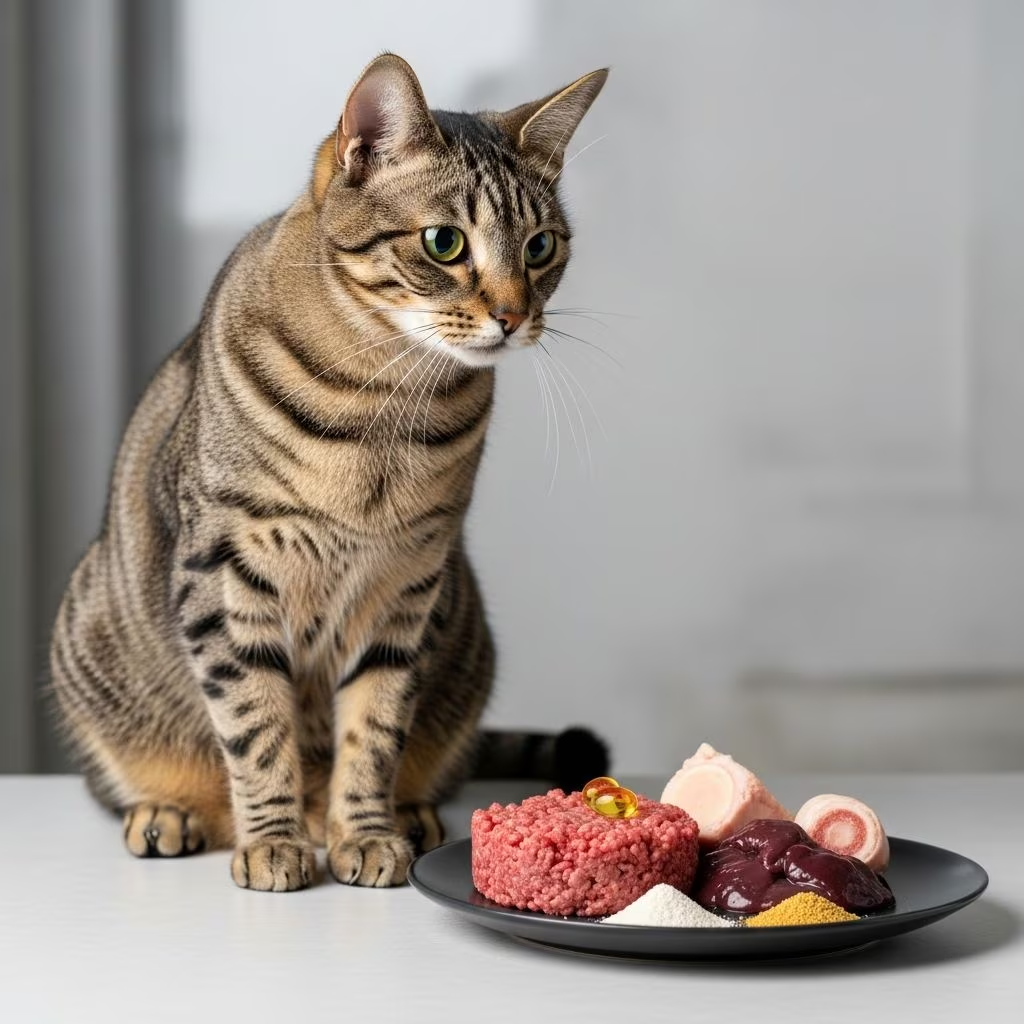
Cats, as obligate carnivores, have specific nutritional needs that raw food diets aim to meet by mimicking their ancestral prey-based eating habits. However, while some owners report visible improvements in their pets’ vitality, authoritative bodies like the FDA, CDC, and AVMA strongly caution against these diets due to contamination risks and nutritional inconsistencies.
Understanding Feline Nutritional Requirements
Cats require high levels of animal-derived proteins, essential amino acids like taurine, fatty acids, vitamins, and minerals to thrive. Unlike dogs, they cannot efficiently convert plant-based nutrients, making meat-centric diets essential. Raw feeding proponents argue that uncooked meats preserve these elements better than processed kibble or cans.
Essential nutrients include:
- Taurine: Critical for heart and eye health; deficiencies can lead to dilated cardiomyopathy even if present in food if not bioavailable.
- Arachidonic acid: Supports skin and coat integrity.
- Vitamin A: Vital for vision and immune function, primarily from liver.
- Calcium and phosphorus: Balanced ratios prevent bone issues.
Commercial complete-and-balanced foods undergo AAFCO testing to ensure these are met, but raw diets often lack such validation unless specifically formulated by veterinary nutritionists.
Potential Advantages of Raw Feeding
Advocates highlight several perks based on anecdotal evidence and preliminary observations. Cats on raw diets may exhibit:
- Increased energy and lean muscle mass from high-protein content.
- Improved hydration due to natural moisture in meats, potentially aiding urinary health.
- Healthier skin and shinier coats from unprocessed fats.
- Better dental hygiene from chewing raw meaty bones, reducing tartar.
Some studies note raw diets can manage specific conditions like gastrointestinal issues or obesity by avoiding fillers and grains. Owners often perceive fewer allergies and normalized stools. Freeze-dried raw options offer convenience with rehydration, minimizing some handling risks while retaining nutrients.
| Raw Diet Type | Pros | Cons |
|---|---|---|
| Fresh Raw | High moisture; natural enzymes | Perishable; high bacteria risk |
| Freeze-Dried | Shelf-stable; lightweight | Needs rehydration; costlier |
Despite these, no large-scale studies confirm superior digestibility or nutrient retention over cooked commercial foods. Cooking can enhance bioavailability of some nutrients.
Major Health Hazards Associated with Raw Diets
The primary concerns stem from biological and physical dangers, substantiated by multiple studies and veterinary consensus.
Bacterial and Parasitic Contamination
Raw meats frequently harbor pathogens like Salmonella, E. coli, Listeria, and Campylobacter. A Cornell study found live bacteria in 42% of raw cat foods versus none in cooked ones, plus DNA from antibiotic-resistant strains and parasites. FDA testing revealed raw pet foods far more contaminated than dry or semi-moist varieties.
Cats may show subclinical infections, shedding bacteria into the environment, endangering immunocompromised humans, children, elderly, or other pets. Symptoms include vomiting, diarrhea, and potentially fatal sepsis.
Nutritional Imbalances and Deficiencies
Homemade raw diets often fail to balance nutrients. Even lab-analyzed whole-rabbit diets caused taurine deficiency and heart disease because bioavailability varied. Commercial raw products must carry nutritional adequacy statements and undergo feeding trials per WSAVA guidelines.
Physical Dangers from Bones
Ungrinded bones risk intestinal blockages, perforations, or constipation. These foreign bodies require surgical intervention.
Veterinary groups including AVMA, CVMA, and CDC unanimously advise against raw feeding due to these public and pet health threats.
Types of Raw Diets Available
Raw options vary in preparation and risk level:
- Homemade: Custom recipes using meats, organs, bones. High imbalance risk without expert formulation.
- Commercial Prey Model: Mimics whole prey ratios (80% muscle, 10% bone, 10% organs). Needs vet nutritionist oversight.
- Commercial Complete: Formulated blends; safer if trialed and labeled complete.
- Frozen or Freeze-Dried: Reduces but doesn’t eliminate bacteria; convenient storage.
Handling requires strict hygiene: thaw in fridge, use separate surfaces, freeze for 3 weeks to kill some parasites.
Expert Recommendations and Safer Alternatives
Veterinary nutritionists and organizations like AVMA do not endorse raw diets absent rigorous safety measures. If pursuing, select products with:
- Veterinary nutritionist formulation.
- AAFCO/WSAVA compliance and feeding trials.
- Pathogen testing.
Safer options include high-quality cooked commercial foods, which match or exceed raw nutrition without risks. Gently cooked fresh foods balance benefits and safety.
Transition gradually over 7-10 days to avoid digestive upset, monitoring for issues like lethargy or abnormal stools.
Frequently Asked Questions (FAQs)
Can raw diets cure my cat’s allergies?
No verified evidence; consult a vet for allergy testing and hypoallergenic foods.
Is raw food better for kittens?
Kittens need precise nutrition for growth; raw risks amplify deficiencies. Stick to AAFCO-approved kitten formulas.
How do I know if a commercial raw diet is safe?
Check for nutritional statements, trials, and vet endorsements. Avoid untested brands.
What if my cat loves raw meat scraps?
Occasional treats are low-risk, but regular feeding heightens dangers. Opt for cooked alternatives.
Are there raw diets for senior cats?
Seniors may have compromised immunity; raw poses higher risks. Prioritize balanced senior formulas.
Practical Tips for Cat Owners Considering Raw Feeding
If undeterred by warnings:
- Consult a veterinary nutritionist for diet plans.
- Source human-grade meats from reputable suppliers.
- Implement rigorous sanitation: bleach solutions, dedicated utensils.
- Regular vet checkups with fecal tests for pathogens.
- Supplement as advised for gaps like taurine.
Monitor weight, coat, energy, and stools closely. Discontinue at first sign of illness.
Ultimately, while raw diets appeal to natural instincts, evidence prioritizes safety. Most experts favor complete commercial foods proven safe and effective.
References
- What You Should Know About Raw Food Diets for Cats — Purina. 2023. https://www.purina.com/articles/cat/health/nutrition/raw-food-diet-for-cats
- Avoiding Raw Food in Cats — VCA Animal Hospitals. 2024. https://vcahospitals.com/know-your-pet/avoiding-raw-food-in-cats
- The Good Bad and the Ugly About Raw Feeding for Your Cat — Bark If You’re Dirty Pet. 2024. https://barkifyouredirty.pet/the-good-bad-and-the-ugly-about-raw-feeding-for-your-cat/
- FOOD FOR THOUGHT: Raw Diets — Cats Only Veterinary Hospital. 2019-08-20. https://catsonlyvethosp.com/blog/2019/08/20/food-for-thought-raw-diets/
- Get the Facts about Raw Pet Food Diets can be Dangerous to You and Your Pet — U.S. Food and Drug Administration (FDA). 2024. https://www.fda.gov/animal-veterinary/animal-health-literacy/get-facts-raw-pet-food-diets-can-be-dangerous-you-and-your-pet
- Raw Pet Food Risks: A Research Update — Tufts University Cummings School of Veterinary Medicine. 2025-10-27. https://sites.tufts.edu/petfoodology/2025/10/27/raw-pet-food-research-update/
- Raw or Undercooked Animal-Source Protein Cat and Dog Diets — American Veterinary Medical Association (AVMA). 2024. https://www.avma.org/resources-tools/avma-policies/raw-or-undercooked-animal-source-protein-cat-and-dog-diets



