

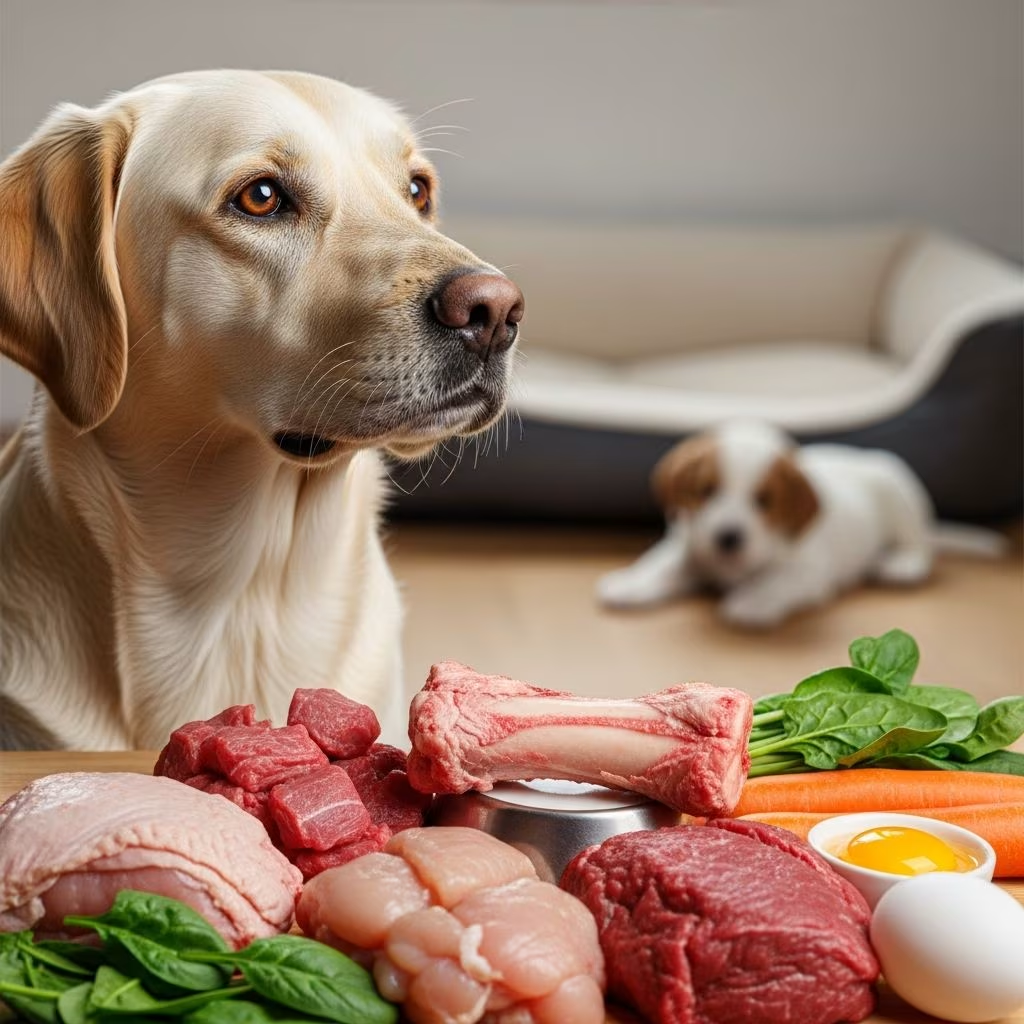
Some dog breeders have adopted exclusive raw food diets for their breeding dogs and litters, believing this approach mirrors ancestral eating habits and promotes superior health outcomes. This practice, often called BARF (Biologically Appropriate Raw Food), involves feeding uncooked meats, bones, organs, and vegetables. While enthusiasts report vibrant coats, robust energy, and cleaner teeth, scientific scrutiny reveals substantial risks, including bacterial contamination and nutritional shortfalls that could harm dogs and humans alike.
Why Breeders Turn to Raw Feeding
Breeders choosing raw diets often cite the desire to produce healthier puppies from the start. They argue that raw feeding aligns with a dog’s evolutionary biology, providing nutrient-dense meals without processing that might strip essential elements. Puppies raised on raw food reportedly exhibit stronger immune systems, better muscle tone, and fewer allergies, setting a strong foundation for future owners.
In breeding programs, raw diets are tailored to support reproduction. High-quality proteins from raw meats fuel lactation in dams, while bones supply natural calcium for skeletal development in whelps. Some breeders note smaller, firmer stools, indicating efficient digestion, and heightened vitality during play, which they link to the diet’s freshness.
- Reproductive advantages: Enhanced fertility and litter sizes attributed to nutrient-rich raw components.
- Puppy growth: Faster weaning with solid starts on raw meals, reducing digestive upsets.
- Coat and skin health: Shinier fur and fewer irritations, per breeder observations.
Reported Health Improvements from Raw Diets
Anecdotal evidence from raw-feeding breeders paints an optimistic picture. Dogs on these diets often display glossy coats, thanks to optimal fat balances, and maintain cleaner teeth from chewing raw bones. Energy levels surge, with breeders describing more playful, alert animals that recover quickly from exertions.
Stool quality improves markedly, becoming compact and less odorous, which breeders interpret as proof of complete nutrient absorption. For breeding females, raw diets are praised for sustaining milk production without supplements, potentially leading to larger, healthier litters. These observations fuel the trend, as breeders share success stories in communities, encouraging others to switch.
| Observed Benefit | Description | Breeder Rationale |
|---|---|---|
| Shinier Coat | Improved fur luster and reduced shedding | Balanced omega fats from raw sources |
| Higher Energy | Increased stamina and playfulness | Bioavailable proteins and minimal fillers |
| Cleaner Teeth | Less tartar buildup | Natural abrasion from bones |
| Smaller Stools | Firmer, reduced volume waste | Higher digestibility |
Nutritional Challenges in Raw Diet Formulation
Creating a balanced raw diet demands precision, yet many homemade recipes fall short. Evaluations of raw diets reveal deficiencies in calcium, phosphorus, and vitamins, risking bone deformities or anemia in growing puppies. Excesses, like vitamin A from too much liver, can lead to toxicity over time.
Breeders must calculate ratios meticulously—typically 80% muscle meat, 10% bone, 10% organs—to meet canine needs. Without veterinary nutritionist input, imbalances occur, as seen in studies where all tested raw diets had excesses or shortfalls causing long-term issues like weak bones or poor coats. Commercial raw products fare similarly, often lacking completeness labels.
Bacterial Hazards and Public Health Concerns
Raw meat harbors pathogens like Salmonella, E. coli, and Listeria, posing risks to dogs and handlers. FDA studies confirm raw pet foods are far more contaminated than processed varieties, with one in three samples risky. Dogs may shed these bacteria asymptomatically, contaminating homes via feces.
Household transmission endangers children, elderly, and immunocompromised people. A PMC review documents consistent Salmonella in raw diets, plus antimicrobial-resistant strains heightening infection severity. UK studies link raw feeding to resistant E. coli in dog stools, amplifying zoonotic threats.
- Pathogen prevalence: High Salmonella and Enterobacteriaceae levels exceeding safety thresholds.
- Shedding duration: Dogs excrete bacteria for days post-exposure without illness.
- Human risk: Handling raw food or pet waste spreads contamination.
Safety Risks from Raw Bones and Handling
Raw bones, staples in these diets, can splinter, causing choking, tooth fractures, or gut punctures. Weight-bearing bones are particularly hazardous for aggressive chewers. Breeders mitigate by supervising, but accidents persist.
Handling requires rigorous hygiene: wash hands 20 seconds post-contact, disinfect surfaces, and isolate raw food prep from human meals. FDA urges these steps, yet compliance varies, sustaining outbreak risks.
Veterinary Perspectives on Raw Feeding for Breeders
Vets like Joseph Wakshlag from Cornell highlight raw diet pitfalls, noting bone issues and nutrient gaps. Raw is unsuitable for puppies, kidney-compromised dogs, or those with pancreatitis. Even supportive vets advise cooked transitions for at-risk animals.
For breeders, consistency challenges arise during shows or travel, where raw sourcing falters. Vets recommend bloodwork monitoring for imbalances, emphasizing formulated kibble or vet-approved raw as safer.
Practical Tips for Breeders Considering Raw Diets
Start gradually: mix raw with current food over weeks to avoid tummy woes. Source human-grade meats, freeze 3 weeks to kill parasites. Use bone grinders for safety.
- Consult a veterinary nutritionist for recipes.
- Test stool quarterly for pathogens.
- Supplement if analyses show gaps.
- Maintain hygiene protocols strictly.
Monitor litters closely; switch if health flags appear.
Alternatives to Exclusive Raw Feeding
Balanced kibble or canned foods offer convenience and safety, backed by AAFCO standards. Gently cooked fresh diets blend raw benefits minus bacteria. Hybrid approaches—raw topper on quality base—satisfy enthusiasts safely.
| Diet Type | Pros | Cons | Suitability for Breeding |
|---|---|---|---|
| Exclusive Raw | Potential vitality boost | High risk, labor-intensive | Risky without expertise |
| Commercial Kibble | Balanced, convenient | Processed perception | Reliable for all stages |
| Cooked Homemade | Customizable, safer | Time-consuming | Good transitional option |
| Raw Toppers | Flavor enhancer | Partial benefits | Balanced compromise |
Scientific Evidence: What Studies Reveal
Limited robust trials exist; most benefits are anecdotal. A 2019 PMC review finds no strong proof for broad claims, confirming malnutrition and infection risks. FDA’s 2012 study underscores contamination. Raw-fed dogs shed Salmonella more, per 2017 epidemiology.
European surveys show bacterial overloads in commercial raw, urging caution.
FAQs on Raw Diets for Breeding Dogs
Q: Is raw feeding safe for pregnant dams?
A: Potentially, if balanced, but risks outweigh benefits per vets; monitor closely.
Q: Can puppies handle raw from weaning?
A: No, experts advise against due to immature immunity and bone risks.
Q: How to prevent bacterial spread?
A: Freeze meat, sanitize everything, wash hands rigorously.
Q: Are commercial raw diets safer?
A: Still contaminated often; choose tested brands.
Q: What if my dog thrives on raw?
A: Great, but regular vet checks essential for long-term health.
Conclusion: Informed Choices for Optimal Breeding
Raw diets allure breeders with natural appeal, but evidence tilts toward caution. Prioritize safety, balance, and professional advice to nurture thriving generations without undue risks. Hybrid or commercial options often provide comparable results with fewer hazards.
References
- Raw Dog Food: Dietary Concerns, Benefits, and Risks — WebMD. 2023. https://www.webmd.com/pets/dogs/features/raw-dog-food-dietary-concerns-benefits-and-risks
- The pros and cons of raw dog food — Petplan. 2023. https://www.petplan.co.uk/dog-insurance/dog-care-and-advice/raw-dog-food.html
- Benefits and Risks of a Raw Dog Food Diet — Wellness Pet Food. 2023. https://www.wellnesspetfood.com/blog/benefits-and-risks-of-a-raw-dog-food-diet/
- Raw diets for dogs and cats: a review — PMC (Davies RH et al.). 2019-10-25. https://pmc.ncbi.nlm.nih.gov/articles/PMC6849757/
- Get the Facts! Raw Pet Food Diets can be Dangerous — FDA. 2023. https://www.fda.gov/animal-veterinary/animal-health-literacy/get-facts-raw-pet-food-diets-can-be-dangerous-you-and-your-pet
- Raw foods for dogs: Evidence-based advice — Cornell Vet. 2023. https://www.vet.cornell.edu/departments-centers-and-institutes/riney-canine-health-center/canine-health-topics/raw-foods-dogs-evidence-based-advice-riney-canine-health-center



