

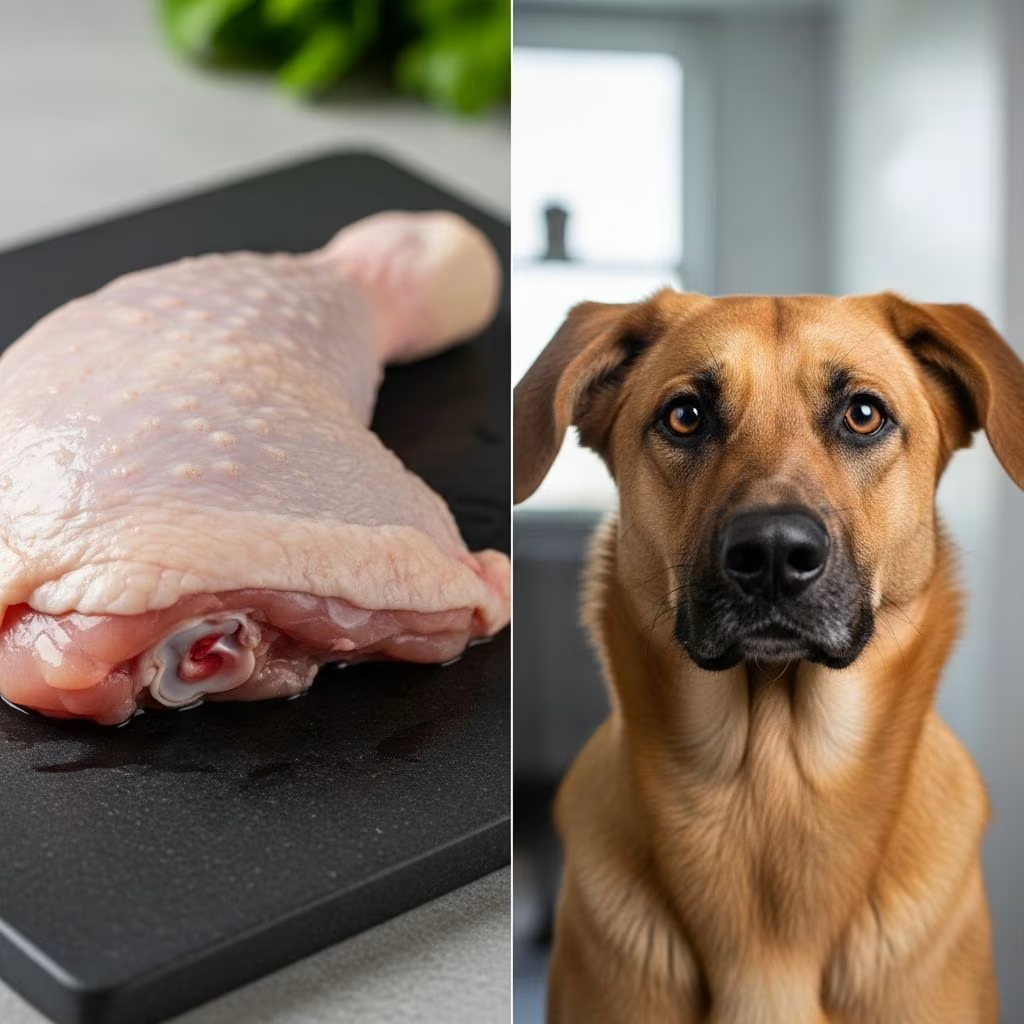
Feeding dogs raw chicken sparks debate among pet owners, with some praising its natural appeal and others warning of hidden dangers. While dogs descend from wolves adapted to raw prey, modern commercial chicken carries contamination risks that can harm pets and households. This article examines the evidence, digestive differences, vulnerable groups, and safer options to help you decide responsibly.
Understanding the Appeal of Raw Diets for Canines
Proponents of raw feeding argue it mirrors ancestral nutrition, providing enzymes, nutrients, and proteins in their natural state. Chicken, a lean protein, offers essential amino acids vital for muscle maintenance and energy. Raw versions might retain more moisture and flavor, appealing to picky eaters. However, these benefits hinge on sourcing and handling, as unprocessed meat introduces variables absent in wild scenarios.
Modern dogs have evolved alongside humans, with digestive systems shaped by cooked foods over generations. Their shorter intestines and acidic stomachs (pH around 1-2) process raw proteins efficiently compared to humans, potentially neutralizing some pathogens. Yet, this adaptation does not eliminate all threats from commercially raised poultry.
Major Health Hazards Linked to Raw Chicken
Raw chicken often harbors bacteria like Salmonella, Campylobacter, E. coli, Listeria, and Clostridium, posing immediate and long-term threats. Studies link raw chicken necks to polyradiculoneuritis (APN), a nerve disorder akin to human Guillain-Barré syndrome, triggered by Campylobacter. Symptoms include weakness, paralysis, and pain, with higher incidence in frequent feeders of non-fresh or improperly stored chicken.
- Bacterial Infections: Salmonella causes vomiting, diarrhea, fever, and dehydration. Even healthy dogs face risks, but outcomes worsen with bacterial toxins that freezing fails to destroy.
- Household Zoonotic Spread: Dogs shed bacteria in feces, contaminating surfaces. Vulnerable humans—children, elderly, immunocompromised—face food poisoning from mishandled raw meat.
- Gut Disruptions: Sudden raw intake irritates sensitive stomachs, leading to chronic issues or microbiome imbalances.
FDA warnings highlight raw diets’ dangers, noting higher Salmonella/Listeria rates in feeding households. PetMD echoes this, citing food poisoning from raw meat/fish.
Digestion: Raw Versus Cooked Poultry Breakdown
Dogs digest raw chicken differently due to heat’s impact. Cooking kills 99% of pathogens, enhancing protein bioavailability—denatured proteins break down easier. Raw meat’s enzymes may aid digestion theoretically, but bacterial loads overwhelm benefits.
| Aspect | Raw Chicken | Cooked Chicken |
|---|---|---|
| Pathogen Risk | High (Salmonella, etc.) | Low (heat-killed) |
| Protein Absorption | Moderate, bacteria interfere | High, more bioavailable |
| Digestion Time | Faster initially, upset risk | Slower, gentler |
| Bone Safety | Raw: safer if sized right | Cooked: splinters, hazardous |
AKC advises against raw due to infection risks, favoring cooked boneless chicken. GoodRx notes caution with raw meat overall.
Who Faces the Greatest Dangers?
Not all dogs tolerate raw equally. Puppies, seniors, and those with cancer, on immunosuppressants (e.g., Apoquel), succumb easier to infections. Allergy-prone dogs risk intensified reactions: itching, swelling, breathing issues from raw chicken proteins.
- Sensitive breeds or individuals with prior GI issues.
- Dogs on raw abruptly without transition.
- Households with high-risk humans.
University of Melbourne research confirms APN risks from raw chicken, urging avoidance.
Nutritional Pros and Cons Examined
Raw chicken supplies bioavailable calcium/phosphorus from bones (if raw and appropriately sized), aiding dental health and minerals. Eggs add biotin, vitamins, but whites’ avidin hinders absorption in excess. Drawbacks include mineral imbalances if chicken-dominant—lower iron/zinc versus beef. Allergies are common due to processed food exposure.
Balanced commercial raw (e.g., HPP-treated) mitigates pathogens via high-pressure without cooking. Still, most vets prioritize safety over marginal gains.
Alternatives to Raw Chicken for Optimal Nutrition
Opt for cooked, boneless chicken: nutritious, safe, versatile in recipes. Bland diets for upset stomachs now use cooked poultry over raw.
- Commercial Kibble/Wet Foods: Balanced, pathogen-free with chicken meal.
- Other Raw Proteins: Beef, lamb (vet-approved, fresh-frozen).
- Freeze-Dried/Toppers: Rehydrated raw mimics without full risks.
- Veggie/Grain Mixes: For complete nutrition.
Rotate proteins to prevent sensitivities. Consult vets for tailored plans, especially for health-compromised dogs.
Best Practices if Insisting on Raw Feeding
Minimize risks with vigilance:
- Source humanely raised, fresh chicken; deep-freeze promptly.
- Use HPP products for pathogen reduction.
- Handle hygienically: separate boards, immediate cleanup, handwashing.
- Transition gradually over weeks.
- Monitor stool, energy; stop at illness signs.
- Avoid necks/bones if APN concerns.
Supervise eating; raw bones suit strong jaws, not all sizes.
Expert Consensus and Regulatory Stance
Vets largely discourage raw chicken. FDA deems raw diets dangerous; AKC, PetMD align. Pro-raw sites acknowledge biology but stress protocols. Weigh personal context with professional input.
Frequently Asked Questions
Can healthy dogs handle Salmonella in raw chicken?
Dogs’ acidic stomachs reduce risks, but infections occur. Vulnerable pets face severe outcomes.
Are raw chicken bones okay?
Sized raw bones provide minerals/dental benefits; cooked splinter dangerously.
How to spot chicken allergies?
Watch for itching, GI upset, ear infections. Test via elimination diets.
Is raw better nutritionally?
Potentially enzyme-rich, but cooking boosts safety/absorption. Balance trumps source.
What if my dog loves raw chicken?
Prioritize health; switch to cooked or alternatives gradually.
Final Thoughts on Canine Poultry Choices
While raw chicken tempts with natural allure, evidence tilts toward risks outweighing rewards for most dogs. Cooked options deliver nutrition sans Salmonella, APN threats. Partner with vets for evidence-based feeding fostering long, vibrant lives. (Word count: 1678)
References
- Is Raw Chicken Safe for Dogs to Eat? — The Honest Kitchen. 2023. https://www.thehonestkitchen.com/blogs/pet-food-ingredients/can-dogs-eat-raw-chicken
- Can Dogs Eat Raw Chicken? Get the Facts — We Feed Raw. 2024. https://wefeedraw.com/blog/can-dogs-eat-raw-chicken-yes
- The Risks of Feeding your Dog Raw Chicken — Peninsula Vet. 2023. https://peninsulavet.com.au/pet-advice/the-risks-of-feeding-your-dog-raw-chicken/
- Can Dogs Eat Raw Chicken and Is it Good for Them? — Grass Roots. 2024. https://grassrootscoop.com/blogs/impact/can-dogs-eat-raw-chicken
- Can Dogs Eat Chicken? — American Kennel Club. 2025-02-10. https://www.akc.org/expert-advice/nutrition/can-dogs-eat-chicken/
- Raw Pet Food Diets can be Dangerous to You and Your Pet — U.S. Food and Drug Administration. 2022-10-19. https://www.fda.gov/animal-veterinary/animal-health-literacy/get-facts-raw-pet-food-diets-can-be-dangerous-you-and-your-pet



