

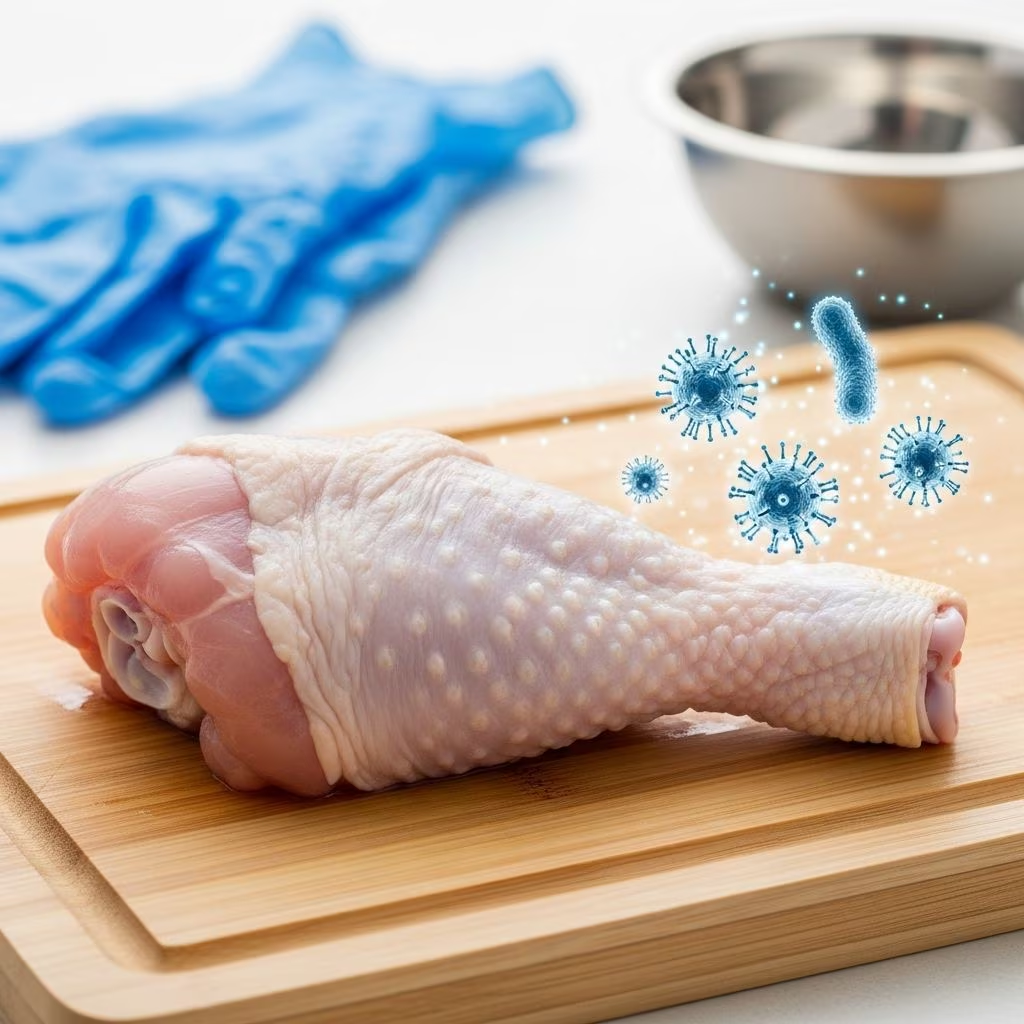
When it comes to feeding our canine companions, pet owners often face numerous dietary choices and recommendations. Raw food diets have gained popularity among dog owners who believe they align with a dog’s natural evolutionary diet. However, raw chicken presents significant health concerns that warrant careful consideration. Understanding these risks can help you make informed decisions about your dog’s nutrition and know how to respond if your pet accidentally consumes raw poultry.
Understanding Bacterial Contamination in Raw Poultry
The primary concern with raw chicken is microbial contamination. Raw poultry can harbor several dangerous pathogens that affect both animals and humans. Research from the University of Georgia indicates that up to 20% of chicken may test positive for salmonella, making this a widespread concern in raw poultry products. Beyond salmonella, raw chicken may contain other harmful bacteria including campylobacter, clostridium perfringens, listeria, and staphylococcus, each capable of causing serious illness.
While dogs possess more acidic stomach environments than humans and have evolved as carnivores with adaptations for consuming raw meat, these biological advantages do not provide complete protection against pathogenic bacteria. The stomach acid that helps dogs process certain microorganisms cannot neutralize salmonella effectively. This means that even a dog’s natural digestive capabilities cannot eliminate the risk posed by raw poultry consumption.
The bacterial risk extends beyond the dog itself. When dogs consume raw chicken, they can shed dangerous pathogens through their saliva and stool, creating a household contamination risk. This is particularly concerning for vulnerable populations in your home, including young children, elderly individuals, and people with compromised immune systems.
Toxin Production and Systemic Health Threats
Some bacteria found in raw chicken produce harmful toxins as they multiply in the digestive system. These endotoxins and exotoxins can cause more severe illness than simple bacterial contamination. When present, these toxins may trigger fever, severe dehydration, and systemic infections in affected dogs.
A particularly concerning discovery from recent research at the University of Melbourne has identified a link between raw chicken consumption and polyradiculoneuritis (APN), a disease similar to Guillain-Barré Syndrome in humans. This condition is often triggered by campylobacter bacteria, which can be present in raw or undercooked poultry. The risk of developing APN increases with factors such as daily raw chicken feeding, non-fresh chicken sources, and improper storage methods.
Importantly, these toxins are not neutralized by freezing, meaning that chicken stored in your freezer can still contain harmful toxins even when properly preserved. This represents a critical distinction between food safety measures that work for some pathogens but fail to address toxin contamination.
Immediate Digestive Complications
One of the most common consequences of raw chicken consumption is gastrointestinal upset. Dogs that ingest raw poultry frequently experience vomiting, diarrhea, and abdominal discomfort. These symptoms can occur suddenly and cause significant distress to both the animal and its owner.
The severity of gastrointestinal symptoms depends on several factors, including the amount consumed relative to the dog’s size, the dog’s prior exposure to raw meat, and their individual digestive sensitivity. A dog unaccustomed to raw meat diets faces higher risk of adverse reactions. Some dogs may experience severe discomfort even from a single raw chicken meal, while others may develop chronic digestive issues such as persistent diarrhea or long-term disruption to their gut microbiome.
Beyond immediate symptoms, raw chicken consumption can lead to dehydration, which compounds the health risks. The loss of fluids from vomiting and diarrhea requires careful monitoring and potential veterinary intervention.
Physical Hazards From Bones and Fat Content
Beyond bacterial and toxin concerns, the physical composition of raw chicken presents mechanical risks. The amount of chicken consumed matters significantly—consuming a few drops of raw juice poses different dangers than ingesting an entire carcass with bones and excess fat.
Raw chicken bones, while softer than cooked bones, can still cause injury. Dogs may experience choking hazards, intestinal blockages from consuming large bone pieces, or internal injuries from bone splinters. Small dogs are particularly vulnerable to mechanical trauma from bone consumption, which could result in complete bowel obstruction requiring surgical intervention.
The high fat content in whole raw chicken also presents metabolic concerns. Consuming large quantities of fatty tissue can trigger pancreatitis, a painful and potentially life-threatening inflammation of the pancreas. This risk increases when raw chicken represents a significant portion of what the dog consumes in a single sitting.
Vulnerability in Specific Dog Populations
Not all dogs face equal risk from raw chicken consumption. Certain populations are significantly more vulnerable to severe complications:
- Puppies: Young dogs have developing immune systems that cannot effectively combat pathogenic bacteria
- Senior dogs: Aging reduces immune function and makes older dogs more susceptible to severe infection
- Dogs with cancer: Compromised immune systems from disease increase infection risk
- Dogs on immunosuppressive medications: Medications like Atopica or Apoquel reduce the immune system’s ability to fight infections
- Dogs with pre-existing allergies: These animals face increased risk of severe allergic reactions if they consume raw chicken
For dogs falling into these categories, raw chicken consumption presents unacceptable health risks and should be avoided entirely.
Allergic Reaction Concerns
Some dogs have chicken allergies that can be exacerbated by raw consumption. Symptoms of chicken allergy include itching, hives, swelling, digestive disturbances, and in severe cases, difficulty breathing. When an allergic dog consumes raw chicken, symptoms may intensify to include severe itching, hair loss, or facial and throat swelling. Such reactions constitute medical emergencies requiring immediate veterinary attention.
What to Do if Your Dog Eats Raw Chicken
If your dog accidentally consumes raw chicken, immediate action and careful monitoring are essential. The first step is to contact your veterinarian, providing information about the amount consumed, whether bones were included, your dog’s size, and their overall health status. This information helps the veterinarian assess risk level and recommend appropriate monitoring or treatment.
Monitor your dog closely for symptoms in the hours and days following consumption. Watch for vomiting, diarrhea, lethargy, abdominal pain, fever, loss of appetite, or difficulty defecating. Keep your dog’s eating area clean and practice good hygiene to prevent bacterial spread to household members. Isolate soiled areas and wash your hands thoroughly after any contact with your dog’s elimination areas.
Most dogs recover without complications from accidental raw chicken consumption, but some may require veterinary intervention or, in rare cases, long-term hospitalization for bacterial infections. Your veterinarian may recommend supportive care such as intravenous fluids, antibiotics, or other treatments depending on your dog’s symptoms and test results.
Safe Alternatives to Raw Chicken
If you want to incorporate chicken into your dog’s diet, cooked boneless chicken represents a safer option. Cooking eliminates most pathogens that pose risks in raw poultry. Avoid cooked bones, which splinter dangerously, but cooked chicken meat provides nutritional benefits without the bacterial contamination risks associated with raw preparations.
Alternative raw protein sources include raw beef and raw lamb, which present lower bacterial contamination risks than chicken. If you’re committed to raw feeding, consult with your veterinarian about species-appropriate options and proper handling procedures that minimize contamination risks. A limited-ingredient holistic food formulated by nutritional experts offers another alternative for dogs whose owners seek high-quality nutrition without raw feeding risks.
The Zoonotic Risk Factor
Beyond your dog’s health, raw chicken feeding creates household contamination risks. Zoonotic bacteria, including salmonella and E. coli, transfer easily from raw poultry to human handlers through contaminated surfaces, utensils, and hands. These pathogens can cause serious gastrointestinal illness in humans, potentially requiring hospitalization.
When your dog eats raw chicken and subsequently spreads pathogens through their saliva and stool, household members—particularly children, elderly people, and immunocompromised individuals—face infection risk. Proper sanitation protocols become essential, including separate food preparation areas, dedicated utensils, frequent hand washing, and thorough disinfection of surfaces where raw chicken was handled.
Frequently Asked Questions
Can a dog’s stomach acid destroy salmonella in raw chicken?
While dogs possess more acidic stomachs than humans, their stomach acid cannot effectively neutralize salmonella. Despite evolutionary adaptations for consuming raw meat, this particular bacterium poses significant risk even in carnivorous animals.
Is a small amount of raw chicken safe for dogs?
Even minimal exposure carries risk. A few licks of raw chicken juice can transmit harmful bacteria, making it difficult to establish a truly “safe” quantity for raw poultry consumption.
How long do symptoms appear after eating raw chicken?
Symptoms can develop quickly in some dogs while others may show no immediate signs. The timeline depends on bacterial load, toxin production, and individual immune response. Monitor your dog for at least several days after accidental raw chicken consumption.
Should I worry if my dog ate raw chicken weeks ago?
If your dog consumed raw chicken and remained healthy without symptoms, the risk of delayed serious infection is low. However, some chronic digestive issues may develop over time. If your dog develops new digestive problems, inform your veterinarian about past raw chicken consumption.
Can frozen raw chicken reduce bacterial risk?
Freezing does not eliminate toxins produced by bacteria in raw chicken, making frozen raw poultry just as risky as fresh raw chicken despite common misconceptions about freezing as a food safety measure.
Making Informed Dietary Decisions
The evidence regarding raw chicken for dogs is compelling and concerning. While some advocates argue that raw feeding aligns with canine evolutionary history, the documented health risks cannot be ignored. The presence of pathogenic bacteria, toxin production, physical hazards from bones, and zoonotic transmission risks combine to make raw chicken a problematic food choice for most dogs.
If you’re considering a raw diet for your dog, consult with your veterinarian about safer protein alternatives and proper handling protocols. If your dog has already consumed raw chicken, monitor carefully for symptoms and maintain good hygiene practices. Ultimately, protecting your dog’s health and your family’s well-being should guide dietary choices.
References
- Is Raw Chicken Safe for Dogs to Eat? — The Honest Kitchen. Accessed February 2026. https://www.thehonestkitchen.com/blogs/pet-food-ingredients/can-dogs-eat-raw-chicken
- My Dog Ate Raw Chicken: What Should I Do? — Hill’s Pet Nutrition. Accessed February 2026. https://www.hillspet.com/dog-care/nutrition-feeding/dog-ate-raw-chicken
- What To Do If Your Dog Ate Raw Chicken — JustFoodforDogs Blog. Accessed February 2026. https://blog.justfoodfordogs.com/dog-ate-raw-chicken.html
- The Risks of Feeding your Dog Raw Chicken — Peninsula Vet. Accessed February 2026. https://peninsulavet.com.au/pet-advice/the-risks-of-feeding-your-dog-raw-chicken/
- Raw Pet Food Diets can be Dangerous to You and Your Pet — U.S. Food and Drug Administration. Accessed February 2026. https://www.fda.gov/animal-veterinary/animal-health-literacy/get-facts-raw-pet-food-diets-can-be-dangerous-you-and-your-pet



