

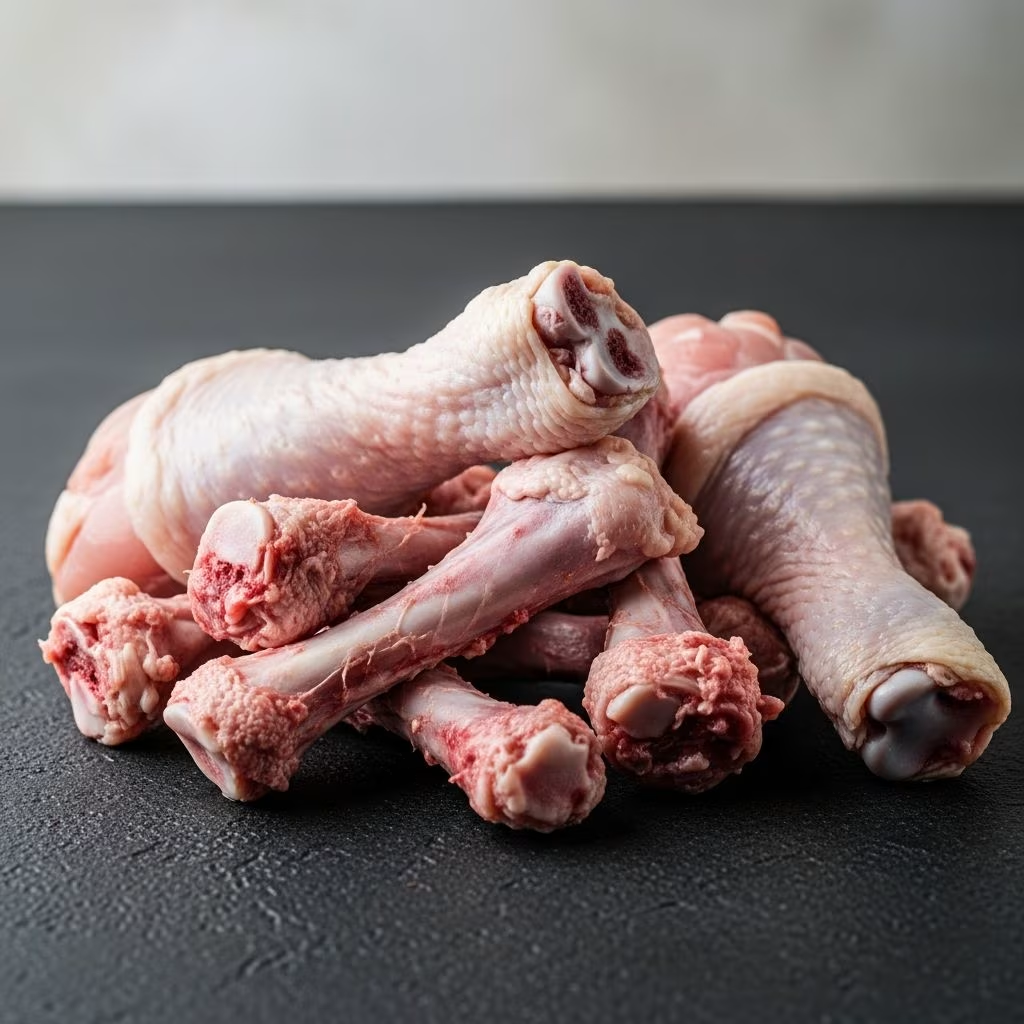
Feeding dogs raw chicken bones remains a debated topic among pet owners and veterinarians. While some advocate for their use in raw diets due to nutritional value, evidence highlights significant health risks including choking, fractures, blockages, and bacterial contamination. This article examines these concerns, compares raw versus cooked bones, and offers practical guidance for dog owners.
Understanding the Appeal of Raw Bones in Canine Diets
Dogs have evolved as carnivores with strong jaws designed for crunching bones, which historically provided calcium, phosphorus, and marrow for energy. Proponents of raw feeding claim raw chicken bones support dental hygiene by scraping plaque and satisfy natural chewing instincts. A study in the Journal of Veterinary Medicine reported that fewer than 10% of dogs ingesting raw chicken bones needed veterinary care, suggesting lower complication rates compared to processed treats. However, these benefits must be weighed against potential dangers.
Key Health Risks Associated with Raw Chicken Bones
Raw bones may seem pliable, but they pose multiple threats to canine health. Here’s a breakdown of primary concerns:
- Choking Hazards: Dogs, especially gulpers, can swallow large pieces, leading to airway obstruction. Surveys indicate choking occurs in under 5% of cases but remains a critical risk.
- Dental Injuries: Hard chewing may fracture teeth or lacerate gums, particularly in smaller breeds or seniors with weaker enamel.
- Gastrointestinal Blockages: Undigested fragments can lodge in the intestines, causing pain, vomiting, and potentially fatal obstructions. Puppies face heightened risks due to narrower digestive tracts.
- Bacterial Contamination: Raw chicken often harbors Salmonella and Campylobacter, transmissible to dogs and humans via feces. The CDC emphasizes hygiene to mitigate spread.
These risks underscore why many veterinarians, including those from the American Veterinary Medical Association, caution against routine bone feeding.
Raw vs. Cooked Chicken Bones: A Comparative Analysis
Cooked bones become brittle from heat, splintering into sharp shards that puncture tissues, whereas raw ones are softer and more digestible. The table below summarizes differences:
| Bone Type | Risk Level | Main Hazards | Key Considerations |
|---|---|---|---|
| Raw Chicken Bones | Moderate | Choking, bacteria, blockages | Less splintering; supervise size matching |
| Cooked Chicken Bones | High | Splintering, internal punctures | Never feed; immediate vet if ingested |
Even with lower splinter risk, raw bones aren’t risk-free, as hollow chicken structures break unevenly.
Signs Your Dog May Have Consumed a Problematic Bone
Monitor for symptoms post-ingestion, which may emerge immediately or days later:
- Vomiting or retching
- Diarrhea or bloody stools
- Lethargy or abdominal tenderness
- Loss of appetite or excessive drooling
- Difficulty defecating or straining
Case examples illustrate outcomes: A Labrador required surgery for an intestinal shard from cooked bones, while a terrier recovered from raw bone choking after prompt intervention. Bacterial cases often resolve with antibiotics but highlight zoonotic threats.
Veterinary Perspectives on Bone Feeding
Organizations like the AVMA prioritize safety, noting cooked bones’ superior danger but advising against raw ones without supervision. Vets recommend consulting professionals before dietary changes, especially for puppies, seniors, or those with health issues. Raw feeding enthusiasts stress fresh sourcing and size-appropriate bones—e.g., wings for large dogs, necks for medium—but acknowledge no bone is entirely safe.
Safer Alternatives for Chewing and Nutrition
Opt for vet-approved options mimicking bone benefits without perils:
- Rawhide-Free Chews: Collagen sticks or bully sticks for dental scraping.
- Filled Bones: Hollow bones stuffed with safe pastes.
- Dental Treats: Enzymatic formulas reducing tartar.
- Synthetic Toys: Durable nylon chews flavored naturally.
These provide satisfaction and nutrition—e.g., glucosamine for joints—minus bacterial or splinter risks. Transition gradually to avoid digestive upset.
Best Practices if Introducing Raw Bones
If proceeding despite risks:
- Select fresh, appropriately sized bones from reputable suppliers.
- Supervise all chewing sessions.
- Limit to 10% of diet; balance with muscle meat and organs.
- Practice strict hygiene: Freeze bones first to kill parasites, discard after 24 hours.
- Source humanely raised chicken to minimize contaminants.
Always prioritize your dog’s size, age, and chew style.
Frequently Asked Questions
Are raw chicken bones ever completely safe for dogs?
No bone is risk-free, but raw ones pose fewer splinter issues than cooked. Veterinary consensus advises caution and supervision.
What should I do if my dog eats a raw chicken bone accidentally?
Don’t induce vomiting. Monitor for distress and contact your vet promptly, especially if symptoms appear.
Can puppies eat raw chicken bones?
Puppies’ immature systems heighten blockage and fracture risks; avoid until adulthood.
How do I prevent bacterial spread from raw bones?
Handle with gloves, clean surfaces, wash hands, and isolate the dog during digestion per CDC guidelines.
What nutritional supplements replace bone benefits?
Calcium powders, fish oil, and green tripe offer minerals without physical hazards.
Conclusion: Prioritize Safety in Your Dog’s Diet
While raw chicken bones offer allure, risks often outweigh rewards. Consult veterinarians for tailored advice and embrace safer chews for a healthier, happier pup. Proactive care prevents emergencies, ensuring your dog thrives.
References
- Can Dogs Eat Chicken Bones? | Veterinary Emergency — Veg.com. 2024. https://www.veg.com/post/can-dogs-eat-chicken-bones
- What To Do if Your Dog Ate a Chicken Bone — PetMD. 2024. https://www.petmd.com/dog/nutrition/what-to-do-if-your-dog-ate-a-chicken-bone
- Can dogs eat raw chicken bones — Raw Feeding 101. 2024. https://rawfeeding101.com/blogs/dog-nutrition/can-dogs-eat-raw-chicken-bones/
- Can Dogs Eat Chicken Bones? The Dangers and Safer Treat Options — Redbarn. 2024. https://www.redbarn.com/blogs/blog-1/can-dogs-eat-chicken-bones-the-dangers-and-safer-treat-options
- Chicken bones are dangerous to dogs — Heart and Paw. 2024. https://heartandpaw.com/pet-parent-resources/dog-ate-chicken-bones



