

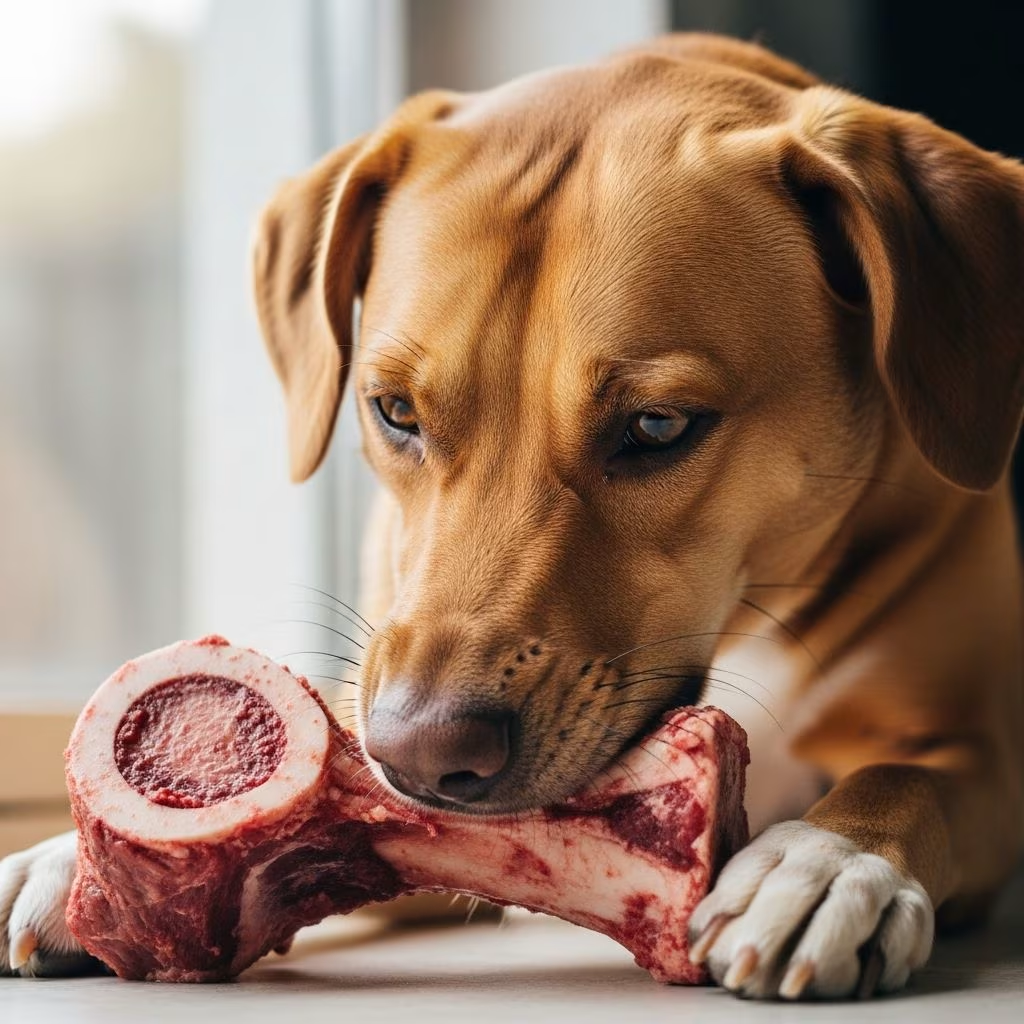
Feeding raw bones to dogs can enhance their diet with essential minerals and promote natural chewing behaviors, but it requires careful selection and supervision to minimize health risks.
Why Raw Bones Matter in Canine Nutrition
Raw bones serve as a foundational element in many natural dog diets, delivering key nutrients that support skeletal development and overall vitality. Unlike processed foods, these bones provide bioavailable calcium and phosphorus in a ratio that aligns with a dog’s physiological needs, aiding bone strength and muscle function.
For growing puppies, maintaining this mineral balance is critical to prevent developmental issues like weakened limbs or fractures, as imbalances can lead to long-term skeletal problems. Adult dogs benefit similarly, with bones contributing to joint health through collagen and supporting metabolic processes.
Key Health Advantages of Including Raw Bones
Integrating raw bones offers multiple benefits that extend beyond basic nutrition.
- Dental Maintenance: The mechanical action of chewing scrapes plaque and tartar, reducing gum inflammation and the need for professional cleanings.
- Mental Enrichment: Gnawing satisfies instinctive urges, curbing boredom-related behaviors like excessive barking or furniture destruction.
- Gut Health Support: Bone components like cartilage foster beneficial gut bacteria, improving digestion and stool quality.
- Nutrient Density: Natural sources of minerals and marrow boost energy levels and coat condition without synthetic additives.
Owners often observe fresher breath and shinier fur after consistent inclusion, reflecting these holistic improvements.
Potential Hazards and How to Mitigate Them
While advantageous, raw bones carry risks if mishandled, including dental injuries, digestive obstructions, and bacterial exposure.
| Risk | Description | Prevention Strategy |
|---|---|---|
| Tooth Fractures | Hard bones can crack molars, especially in aggressive chewers. | Select softer, non-weight-bearing options like necks; test with thumbnail for pliability. |
| Choking or Blockages | Large fragments may lodge in the throat or intestines. | Match size to dog’s jaw; supervise all sessions. |
| Constipation | Excess bone leads to hard stools from mineral overload. | Limit to 10-15% of diet; balance with muscle meat. |
| Bacterial Concerns | Raw meat may carry pathogens like Salmonella. | Source from reputable suppliers; handle hygienically. |
Studies note increased veterinary cases of bone-related issues with rising raw diet popularity, emphasizing the need for education. Puppies face heightened vulnerability due to developing jaws and digestive systems.
Choosing the Best Bones for Your Dog
Selection is paramount for safety and efficacy. Opt for fresh, raw meaty bones from trusted sources to ensure quality and minimize contamination.
- For Small Dogs: Chicken necks or wings—soft and digestible.
- For Medium/Large Dogs: Turkey necks, lamb ribs, or beef ribs.
- Recreational Chews: Large knuckle bones for gnawing without full consumption.
- Avoid Always: Weight-bearing bones (e.g., femurs), cooked bones, or small fragile types like fish bones.
Freshness matters; aged bones harden and splinter more readily. Ground bone in balanced formulas offers a low-risk alternative for novices.
Feeding Guidelines by Life Stage
Puppies
Start with 15-20% bone in the diet to support rapid growth, using softer options to avoid jaw strain. Introduce gradually over weeks, monitoring for digestive tolerance. Imbalances here can cause irreversible damage, as seen in malnourished litters.
Adults
Aim for 10% bone content, adjusting based on activity and stool firmness. Weekly recreational bones provide enrichment without over-supplementation.
Seniors
Softer, smaller bones preserve dental health while easing chewing; consult vets for arthritis considerations.
Always supervise, limit sessions to 15-30 minutes, and remove uneaten portions to prevent bacterial growth.
Balancing Bones in a Complete Raw Diet
Bones should complement, not dominate, a diet typically comprising 70-80% muscle meat, 10-15% bone, and 10% organs/veggies. Over-reliance risks constipation or hypercalcemia, while deficiency weakens structure.
Formulas from veterinary nutritionists ensure precision, avoiding common pitfalls like excess fat triggering pancreatitis. Supplements can replace bones entirely if risks outweigh benefits.
Debunking Common Myths
- Myth: All Raw Bones Break Teeth. Raw ones are pliable; stress matches everyday toys.
- Myth: Raw Bones Cause Indigestion. Dogs’ acidic stomachs handle them; cooked ones splinter dangerously.
- Myth: Bones Are Nutritionally Complete. They provide minerals but need pairing with proteins and organs.
Frequently Asked Questions (FAQs)
Can all dogs eat raw bones?
Most can with proper selection, but brachycephalic breeds or those with dental issues may need alternatives. Vet approval is advised.
How often should I feed raw bones?
2-3 times weekly as treats; daily in balanced diets at controlled ratios.
What if my dog swallows a large piece?
Monitor for vomiting or lethargy; seek immediate vet care if symptoms appear.
Are frozen bones safe?
Thaw fully before offering to prevent tooth damage from hardness.
Do raw bones replace dental chews?
They often outperform commercial products for natural cleaning.
Real-World Success Stories
Many owners report transformations: reduced vet visits for dental work, calmer demeanors, and robust physiques after adopting raw bones thoughtfully. One case highlighted puppies thriving on balanced raw plans, avoiding the fractures seen in unbalanced regimes.
Transition slowly, tracking weight, stool, and energy to fine-tune.
Expert Tips for Long-Term Success
- Hygiene: Clean surfaces post-handling; wash hands thoroughly.
- Storage: Freeze bones individually; use within 3-6 months.
- Monitoring: Annual bloodwork checks mineral levels.
- Alternatives: Bone meal powders for risk-averse owners.
With diligence, raw bones enrich canine life, blending ancestral nutrition with modern safety.
References
- The Role of Bones in a Raw Diet: Benefits and Risks — The Hungry Puppy. 2023. https://www.thehungrypuppy.com/blogs/posts-from-the-pup/the-role-of-bones-in-a-raw-diet-benefits-and-risks
- Advantages, drawbacks and risks of raw feeding — Royal Canin Academy. 2022. https://academy.royalcanin.com/en/veterinary/issue-24-3-article-c
- Raw Bones for Dogs: Food Safety, Health Benefits, and Myths — AllProvide. 2024. https://allprovide.com/a/blog/raw-bones-for-dogs-food-safety-health-benefits-and-myths
- Raw Feeding 101 – Risks, Rewards and Recommendations — Veterinary Wellness Centre. 2023. https://veterinarywellnesscentre.com/raw-feeding-101-risks-rewards-and-recommendations/
- The Truth About Animal Bones: Safe vs. Dangerous Options — Canada Raw. 2024. https://canadaraw.com/blogs/news/the-truth-about-animal-bones-safe-vs-dangerous-options-for-dogs-on-a-raw-diet
- Raw Diets: are they healthy? — Central Pet Vet. 2024-03-24. https://centralpetvet.com/2024/03/24/raw-diets-are-they-healthy/
- Raw Diet Poses Health Risks — Jones Veterinary Clinic. 2023. https://jonesvetclinic.com/raw-diet/
- Raw diets for dogs and cats: a review — PMC (PubMed Central). 2019-10-15. https://pmc.ncbi.nlm.nih.gov/articles/PMC6849757/



