

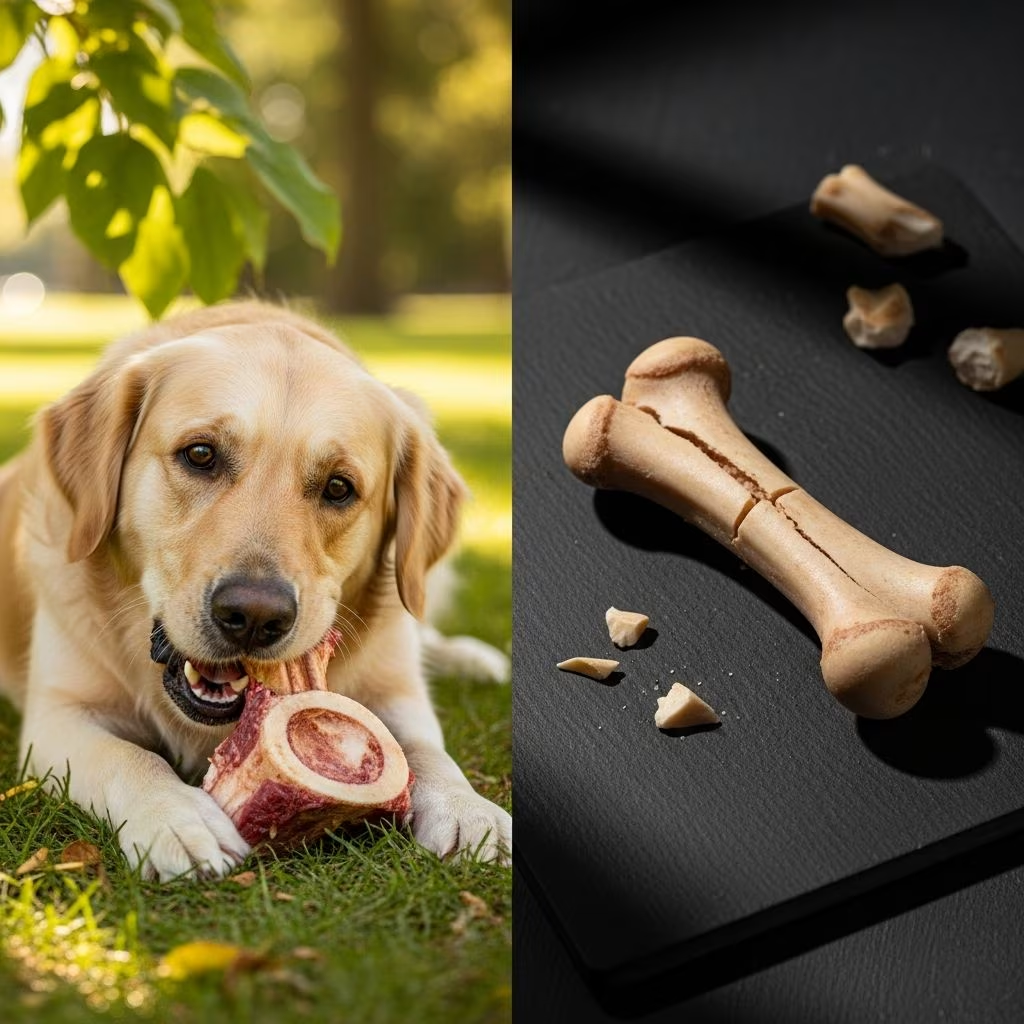
Raw bones offer dogs a natural way to satisfy chewing instincts while delivering key nutrients, but they come with notable health and safety concerns that require careful management.
Why Dogs Are Drawn to Bones
Dogs descend from wolves, whose diets included bones as a source of sustenance. This ancestral behavior drives modern dogs to chew bones, providing mental stimulation and physical exercise for their jaws. Chewing releases endorphins, reducing anxiety and destructive behaviors at home.
Nutritional Advantages of Raw Bones
Raw bones serve as a powerhouse of essential minerals and compounds. They contain high levels of calcium and phosphorus, critical for strong bones and muscle function. Collagen in bones supports skin elasticity, joint mobility, and connective tissue repair, while glucosamine and chondroitin help combat inflammation.
- Calcium and Phosphorus: Vital for skeletal health and preventing deficiencies that affect coat shine and energy.
- Trace Minerals: Zinc, iron, and magnesium bolster immunity and metabolic processes.
- Vitamins: Sources of B12 and D aid immune response and overall vitality.
In raw feeding diets, bones typically comprise 10-15% of adult dogs’ intake and up to 20% for puppies, ensuring balance without excess.
Dental Health Improvements from Chewing
The act of gnawing raw bones mechanically removes plaque and tartar, mimicking a natural toothbrush. This action stimulates gums, increases saliva flow, and creates an alkaline oral environment that discourages bacterial growth. A small study on beagles noted about 10% less calculus buildup after chewing raw beef bones, though larger research is needed for broader conclusions.
| Benefit | How It Works | Evidence Level |
|---|---|---|
| Plaque Reduction | Abrasive scraping during chew | Moderate (small studies) |
| Gum Stimulation | Increased blood flow | Observational |
| Saliva Boost | Natural enzymes combat bacteria | Strong (physiological) |
Digestive and Behavioral Perks
Raw bones contribute to gut health by promoting a balanced microbiome through their fibrous texture, which firms stools and regulates digestion. They provide a constructive outlet for chewing urges, curbing boredom and stress-related habits like excessive barking or furniture destruction.
Critical Safety Concerns with Raw Bones
Despite benefits, raw bones pose risks including bacterial contamination from pathogens like Salmonella and E. coli, which threaten both dogs and humans in the household. The CDC and FDA highlight these in raw pet foods, noting vulnerabilities for children, elderly, and immunocompromised individuals.
- Bacterial Risks: Contamination on surfaces; handle with hygiene protocols.
- Choking and Obstruction: Swallowed fragments can block intestines.
- Tooth Damage: Hard bones fracture teeth, leading to costly repairs.
High-Fat Marrow Dangers
Marrow bones are calorie-dense and fatty, potentially triggering pancreatitis—a painful inflammation with symptoms like vomiting and lethargy. Dogs unaccustomed to fats struggle to digest them, risking severe outcomes. Limit marrow access and monitor portions.
Raw vs. Cooked: A Clear Distinction
Cooked bones brittle-ize and splinter, causing punctures or blockages, whereas raw ones remain pliable and digestible when appropriately sized. Never offer cooked remnants from meals.
Choosing the Right Bones for Your Dog
Select based on size: bones should be larger than the dog’s muzzle to prevent swallowing. Opt for meaty, non-weight-bearing options like chicken necks or wings for small breeds, and beef ribs for larger ones. Avoid pork, ribs, or antlers due to splintering or hardness.
| Dog Size | Recommended Bones | Avoid |
|---|---|---|
| Small (<20 lbs) | Chicken necks, soft ribs | Weight-bearing beef, pork |
| Medium (20-50 lbs) | Chicken wings, lamb ribs | Femurs, knuckles |
| Large (>50 lbs) | Beef ribs, turkey necks | Cooked, antlers |
Source from reputable suppliers with meaty coverage and fresh sourcing. Ground bone in commercial raw diets offers safety for novices.
Safe Feeding Practices
Introduce gradually over days to monitor tolerance. Supervise all sessions to intervene if aggressive chewing occurs. Offer 1-2 times weekly, not daily, comprising no more than 10% of calories. Freeze-thawing reduces bacteria but increases hardness—thaw fully before use.
- Consult your vet first, especially for puppies, seniors, or health-compromised dogs.
- Wash hands, surfaces, and bowls post-handling.
- Discard small or sharp remnants.
- Provide fresh water and observe stools for firmness.
Signs of Trouble and What to Do
Watch for vomiting, diarrhea, constipation, lethargy, or jaw pain. If suspected pancreatitis or obstruction, seek immediate vet care—x-rays may detect blockages. Bacterial illness shows as fever or bloody stools.
Alternatives to Whole Raw Bones
For risk-averse owners, consider dental chews, synthetic bones, or vet-approved rawhide alternatives. Commercial raw patties with ground bone deliver nutrients sans hazards. Veggie chews or frozen carrots satisfy urges safely.
Expert Guidelines from Veterinary Sources
The American Kennel Club advises vet consultation before raw bones, emphasizing size matching and pathogen awareness. VCA Hospitals stress pathogen risks in raw products. Balance enthusiast claims with evidence-based caution.
FAQs
Can all dogs eat raw bones?
No—avoid for aggressive chewers, dental issues, or GI sensitivities. Puppies need softer options; seniors may require ground forms.
How often should I give raw bones?
1-2 times per week max, as treats, not meals. Adjust per diet.
Are raw marrow bones safe?
They risk pancreatitis from fat; limit licking and choose leaner types.
What if my dog swallows a chunk?
Monitor for distress; vet if no bowel movement in 48 hours.
Do raw bones clean teeth better than brushes?
They help but aren’t substitutes—combine with brushing for best results.
References
- Myth vs. Fact: Are Raw Bones Dangerous for Dogs? — The Farmer’s Dog UK. 2023. https://thefarmersdog.uk/blogs/guides-and-advice/myth-vs-fact-are-raw-bones-dangerous-for-dogs
- Raw Bones for Dogs: Food Safety, Health Benefits, and Myths — AllProvide. 2023. https://allprovide.com/a/blog/raw-bones-for-dogs-food-safety-health-benefits-and-myths
- Are Raw Marrow Bones Good For Dogs? — WellPets Animal Dental Care. 2023. https://www.wellpets.com/blog/156-are-raw-marrow-bones-good-for-dogs/
- Raw Dog Food: Dietary Concerns, Benefits, and Risks — WebMD. 2023. https://www.webmd.com/pets/dogs/features/raw-dog-food-dietary-concerns-benefits-and-risks
- The Truth About Raw Bones: Safe Or Risky For Your Pet? — 108 Ave Animal Hospital. 2023. https://108aveanimalhospital.com/the-truth-about-raw-bones-safe-or-risky-for-your-pet/
- No bones about it: risks vs benefits of meaty bones — NutritionRVN. 2021-03-11. https://nutritionrvn.com/2021/03/11/no-bones-about-it-risks-vs-benefits-of-meaty-bones/
- Can Dogs Eat Bones? — American Kennel Club (AKC). 2023. https://www.akc.org/expert-advice/nutrition/can-dogs-eat-bones/
- Why Bones Are Not Safe for Dogs — VCA Animal Hospitals. 2023. https://vcahospitals.com/know-your-pet/why-bones-are-not-safe-for-dogs



