

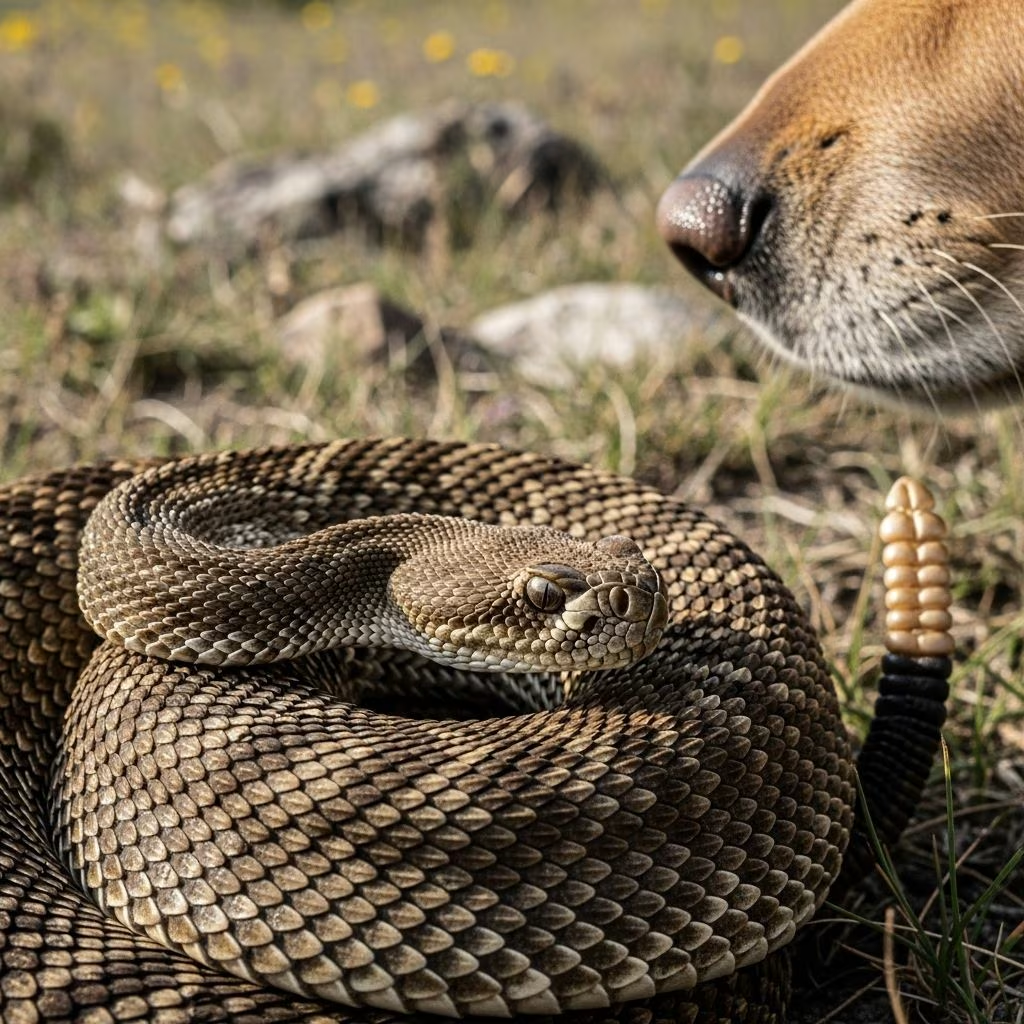
Venomous snake bites pose a serious threat to dogs, especially in regions like the southwestern United States where rattlesnakes are common. The rattlesnake vaccine, known scientifically as Crotalus atrox toxoid, aims to bolster a dog’s defenses against Western Diamondback rattlesnake venom by prompting the immune system to generate protective antibodies. While proponents highlight potential reductions in symptom severity, scientific scrutiny reveals a more nuanced picture with limited conclusive evidence. This article delves into the vaccine’s development, mechanics, administration, effectiveness, risks, and practical advice for pet owners navigating snake country.
Understanding the Danger of Rattlesnake Bites in Dogs
Rattlesnakes deliver venom that causes intense pain, rapid swelling, tissue damage, and potentially fatal systemic effects like blood clotting disorders or organ failure. Dogs, driven by curiosity, often investigate these reptiles nose-first, leading to facial bites in about 74% of cases. Smaller dogs face higher risks due to greater relative venom exposure per body weight, while even large breeds can suffer severe outcomes without prompt intervention.
Annual statistics from veterinary reports indicate thousands of dogs bitten yearly, with mortality rates varying from 5-20% depending on bite location, venom dose, and treatment speed. Antivenin remains the gold standard treatment, but its high cost—often exceeding $1,000 per vial—and potential side effects like allergic reactions make prevention strategies appealing.
How the Rattlesnake Vaccine Functions
Unlike antivenin, which provides immediate neutralization via pre-formed antibodies, the vaccine uses inactivated (toxoid) venom from the Western Diamondback rattlesnake. Injected into the dog, it mimics a mild exposure, training the immune system to produce its own antibodies. Upon a real bite, these antibodies may bind venom toxins, potentially delaying onset of symptoms and lessening their intensity.
The process unfolds over weeks: initial doses stimulate antibody production, peaking 3-4 weeks post-vaccination. This could buy critical hours—up to 4-24 more—for veterinary care, where antivenin is most effective. Proponents note anecdotal reports of vaccinated dogs showing milder swelling, less pain, and faster recovery, sometimes requiring fewer antivenin vials.
Vaccination Schedule and Recommendations
Manufacturers recommend two initial subcutaneous doses, 30 days apart, followed by annual boosters before peak snake season (typically spring through fall). Dogs under 25 pounds or over 100 pounds may need extra doses for optimal response, as smaller animals metabolize venom faster and larger ones mount weaker initial titers.
- Primary Series: Dose 1 at vet visit; Dose 2 four weeks later.
- Boosters: Yearly, ideally 30 days before rattlesnake activity surges.
- Ideal Candidates: Hunting dogs, hikers’ companions, or pets in arid Southwest states like Arizona, Texas, and California.
- Not Recommended For: Dogs never exposed to snake habitats or those with allergy histories.
Veterinarians tailor protocols based on lifestyle; indoor urban dogs rarely justify the expense, around $30-60 per dose plus office fees.
Scientific Evidence: Does It Really Work?
Debate persists due to sparse high-quality data. Anecdotal evidence from clinics suggests benefits: vaccinated dogs often exhibit slower symptom progression and higher survival odds. However, peer-reviewed studies paint a less rosy picture.
A 2006-2012 multicenter retrospective analysis of 82 dogs with moderate-to-severe envenomation found no statistically significant difference in morbidity or mortality between vaccinated (17%) and unvaccinated groups. Lower body weight and higher bite severity scores predicted worse outcomes, independent of vaccination.
The American Animal Hospital Association (AAHA) notes zero published data confirming efficacy in dogs, citing an experimental mouse study with questionable relevance—using massive toxoid doses and venom challenges unlike natural bites. Another review of 272 cases echoed this, finding no morbidity reduction and cautioning against routine use.
| Study/Source | Sample Size | Key Finding | Date |
|---|---|---|---|
| Retrospective Multicenter | 82 dogs | No significant protection in severe cases | 2020 |
| AAHA Guidelines | N/A (Review) | No efficacy data in dogs | 2022 |
| Case Series Review | 272 cases | No measurable benefit | 2023 |
| Anecdotal/Clinical | Various | Reduced symptoms reported | Recent |
Limited sample sizes in vaccinated cohorts hinder statistical power, but consensus leans cautious: the vaccine aids mildly but not a panacea.
Potential Benefits in Real-World Scenarios
Despite study limitations, field reports highlight upsides. Vaccinated dogs bitten on trails may walk out under their own power longer, avoiding rapid collapse. Reduced antivenin needs cut treatment costs and side effect risks, like serum sickness. Cross-protection against other pit vipers (e.g., Mojave, Timber) is claimed but unproven, varying by venom composition.
For active outdoor dogs, it complements avoidance: leashing, snake-aware training, and trail vigilance. In northern regions with short seasons (6-9 months), two-dose immunity suffices.
Risks and Side Effects to Consider
No vaccine is risk-free. Common reactions include injection-site swelling, lethargy, or mild fever, resolving quickly. Rare anaphylaxis occurs, especially in sensitized dogs. Alarmingly, prior vaccinations might prime severe allergic responses to natural venom, complicating bites.
Large breeds (>100 lbs) often require three initial doses for titers, per experimental data not on labels. Over-reliance breeds complacency; all bitten dogs need emergency care regardless.
Antivenin vs. Vaccine: Key Differences
| Aspect | Antivenin | Vaccine |
|---|---|---|
| Purpose | Immediate neutralization post-bite | Preemptive antibody stimulation |
| Administration | IV in clinic, 1-5 vials | SC injections, series + boosters |
| Cost | $500-$5000+ per treatment | $60-$200 initial series |
| Onset | Hours | Weeks |
| Duration | One-time use | 6-12 months |
Antivenin halts progression if given within 4 hours; vaccine extends that window but doesn’t replace it.
When Should You Vaccinate Your Dog?
Assess risk: high for rural Southwest pets, low for city dwellers. Consult vets familiar with local snake populations. Pre-vaccination titer tests are emerging but not standard. Combine with education: teach “leave it” cues and use snake gaiters for hikes.
Puppies start at 4 months; adults anytime pre-season. Monitor post-vaccination for 24-48 hours.
Frequently Asked Questions (FAQs)
Is the rattlesnake vaccine 100% effective?
No, it reduces severity but doesn’t prevent bites or guarantee survival. Always seek immediate vet care.
How much does it cost?
Typically $25-60 per dose; full series $100-300 including boosters.
Does it protect against all rattlesnakes?
Primarily Western Diamondback; partial cross-protection possible but variable.
Can cats get the vaccine?
No, it’s dog-specific; cats face different risks.
What if my dog is bitten despite vaccination?
Treat as emergency: symptoms may be milder, but antivenin often still needed.
Alternatives and Prevention Strategies
Beyond vaccination, prioritize prevention:
- Stick to trails, avoid dawn/dusk hikes.
- Use snake-proof fencing in yards.
- Train with aversion therapy (rattlesnake scent/sound).
- Carry a snake bite kit (though not a substitute for antivenin).
Pet insurance covering accidents offsets bite costs, including antivenin.
Future Directions in Canine Snake Protection
Ongoing research seeks better toxoids, broader-spectrum vaccines, and field trials. Titer monitoring could personalize boosters. Until then, vigilance trumps all.
In summary, the rattlesnake vaccine offers a layer of preparedness for at-risk dogs, backed by promising anecdotes yet tempered by study shortcomings. Weigh local prevalence, your dog’s lifestyle, and vet input before deciding.
References
- Ask A Vet Ep. 12: Should I Give My Dog the Rattlesnake Vaccine? — Pheasants Forever. Accessed 2026. https://www.pheasantsforever.org/BlogLanding/Blogs/Pheasants-Forever/Ask-A-Vet-Ep-12-Should-I-Give-My-Dog-the-Rattlesnake-Vaccine.aspx
- Rattlesnake Vaccine — Magley Animal Hospital. Accessed 2026. https://magleyanimalhospital.com/rattlesnake-vaccine/
- Effects of the canine rattlesnake vaccine in moderate to severe crotalid envenomation — National Institutes of Health (PMC). 2020-07-10. https://pmc.ncbi.nlm.nih.gov/articles/PMC7337165/
- Rattlesnake Vaccine for Dogs — MetLife Pet Insurance. Accessed 2026. https://www.metlifepetinsurance.com/blog/pet-health/rattlesnake-vaccine-for-dogs/
- Key Vaccination: Rattlesnake Toxoid — American Animal Hospital Association (AAHA). 2022. https://www.aaha.org/resources/2022-aaha-canine-vaccination-guidelines/rattlesnake-toxoid/
- Veterinary Experts Do Not Recommend the Rattlesnake Vaccine — Snakebite Foundation. 2023-06-13. https://www.snakebitefoundation.org/blog/2023/6/13/veterinary-experts-do-not-recommend-the-rattlesnake-vaccine
- Vet Watch: What’s going on with the rattlesnake vaccine — dvm360. Accessed 2026. https://www.dvm360.com/view/vet-watch-what-s-going-on-with-the-rattlesnake-vaccine-crotalus-atrox-toxoid-and-the-usda-



