

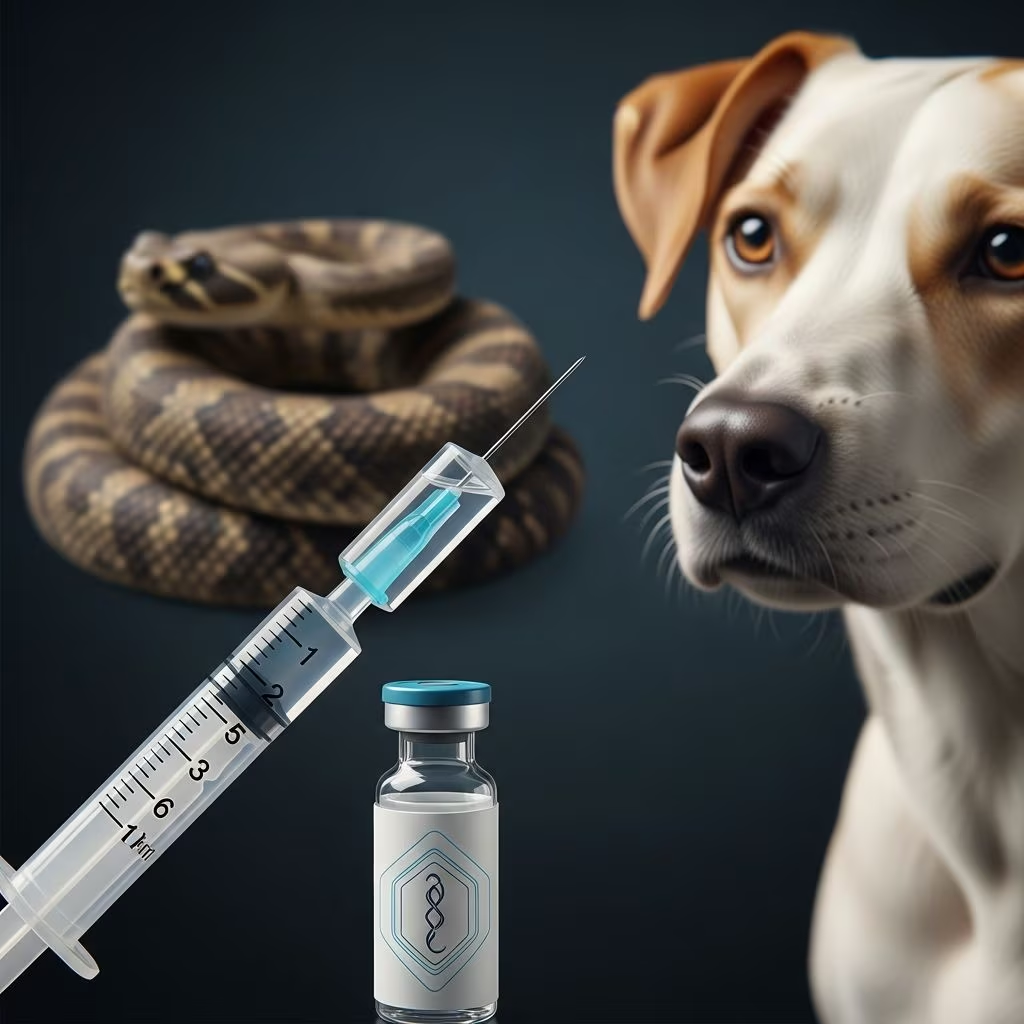
Rattlesnake bites pose a serious threat to dogs, particularly those in rural or outdoor environments. The rattlesnake vaccine, known scientifically as Crotalus atrox toxoid, aims to bolster a dog’s immune response against Western Diamondback rattlesnake venom. While not a complete shield, it may mitigate bite severity for dogs frequently exposed to snakes.
Understanding the Threat of Rattlesnake Bites in Canines
Rattlesnakes are prevalent in regions like the southwestern United States, where outdoor activities such as hiking or hunting increase encounter risks. A bite injects hemotoxic venom that causes tissue damage, swelling, pain, and potentially fatal systemic effects. Dogs under 25 pounds or over 100 pounds face heightened vulnerability due to body mass influencing venom distribution. Statistics from veterinary reports indicate that untreated bites lead to high morbidity, with symptoms including puncture wounds, lethargy, vomiting, and coagulopathies.
Annual snakebite incidents in dogs number in the thousands in endemic areas, often requiring emergency antivenin treatment costing thousands of dollars per case. Prevention through avoidance training is ideal, but for high-risk dogs, vaccination emerges as a supplementary strategy.
How the Rattlesnake Vaccine Stimulates Immunity
The vaccine contains inactivated venom from the Western Diamondback rattlesnake (Crotalus atrox), prompting the dog’s immune system to produce neutralizing antibodies. Unlike antivenin, which provides immediate passive immunity via equine-derived antibodies, the vaccine offers active, long-term protection. Administered intramuscularly, it triggers antibody production peaking 4-6 weeks post-vaccination.
Cross-protection against other pit vipers, such as Mojave or Speckled rattlesnakes, is claimed but varies by venom composition. Protection wanes over time, necessitating boosters, especially in extended snake seasons. Small dogs may require additional doses for adequate titers, as their size impacts immune response efficacy.
Vaccination Protocol: Dosage and Timing Essentials
The standard regimen starts with two doses, 30 days apart, followed by annual boosters. For dogs in prolonged exposure zones (over six months yearly), biannual boosters are advised. Protection onset occurs 30-45 days after the initial series, making pre-season vaccination crucial.
- Initial Series: Two injections, 4 weeks apart.
- Boosters: Yearly, or twice yearly for high-risk dogs.
- Special Cases: Extra booster 1 month post-initial for dogs <25 lbs or >100 lbs.
- Cost: Typically $30-60 per dose, plus vet exam fees.
Veterinarians recommend integrating this with core vaccines during wellness visits. It’s classified as non-core by bodies like the American Animal Hospital Association (AAHA), suitable only for endemic-area residents.
Scientific Evidence: Does It Really Work?
Evidence on efficacy remains mixed. Proponents cite anecdotal reductions in symptom severity, delayed onset, and lower antivenin needs. For instance, vaccinated dogs reportedly exhibit less swelling and recover faster. However, rigorous studies paint a less conclusive picture.
A retrospective multicenter study of 82 dogs with moderate-to-severe envenomations found no significant difference in morbidity or mortality between vaccinated (17%) and unvaccinated groups. All received antivenin (mean 1.3 vials), with lower body weight and higher severity scores predicting worse outcomes, not vaccination status.
| Study Aspect | Vaccinated Dogs | Unvaccinated Dogs | Key Finding |
|---|---|---|---|
| Morbidity Rate | Similar | Similar | No statistical difference |
| Mortality | 0% | Low | No protective effect shown |
| Antivenin Vials | 1-3 | 1-3 | Mean 1.3 for both |
| Discharge <24h | 79% | 79% | Comparable recovery |
Critics highlight absent peer-reviewed efficacy data and potential risks like sensitization leading to anaphylaxis upon biting. A mouse model using massive doses showed incomplete protection, with some vaccinated subjects faring worse. The USDA’s recent policy shift ended automatic license renewals, signaling regulatory scrutiny due to limited proven benefits.
Potential Benefits Highlighted by Advocates
Despite study limitations, field reports from hunting dog owners note tangible upsides:
- Delayed symptom progression, buying time for vet access.
- Reduced pain, swelling, and tissue necrosis.
- Potentially fewer antivenin vials needed, cutting costs and side effect risks like serum sickness.
- Higher survival odds in mild bites.
For pheasant hunters or trail dogs in California or Texas, these factors tip the scale toward vaccination.
Risks, Side Effects, and Critical Limitations
No vaccine is risk-free. Common reactions include injection-site soreness or mild lethargy. Rare severe allergies have occurred. Critically, it offers no total immunity; bites remain emergencies requiring immediate care.
Limitations include:
- Species-Specific: Targets Western Diamondback; limited against others.
- No Guarantee: Overwhelmed by large venom doses.
- Sensitization Risk: May heighten anaphylaxis odds post-bite.
- Declining Protection: Titers drop after 6-9 months.
Veterinary experts like those from the Snakebite Foundation advise against routine use absent robust data.
Who Should Consider Vaccinating Their Dog?
Ideal candidates are active dogs in rattlesnake hotspots with unavoidable exposure, such as working breeds or hikers’ companions. Urban or low-risk area dogs gain little benefit. Consult risk assessment:
| Risk Level | Dog Profile | Recommendation |
|---|---|---|
| High | Hunting/field trial dogs in SW US | Strongly consider |
| Medium | Backyard roamers in rural snake areas | Discuss with vet |
| Low | Indoor/city dogs | Not necessary |
AAHA guidelines note supply issues and unproven status, urging evidence-based choices.
Alternatives and Complementary Prevention Strategies
Beyond vaccination:
- Avoidance Training: Rattlesnake aversion courses using scented stimuli and buzzers condition dogs to flee.
- Antivenin Preparedness: Home kits for rapid administration, though vet oversight is best.
- Protective Gear: Snake gaiters or chaps for legs during hikes.
- Immediate Response Plan: Carry vet contacts, know symptoms, and transport swiftly.
Combining these yields superior outcomes over vaccination alone.
Frequently Asked Questions (FAQs)
What if my vaccinated dog gets bitten?
Seek emergency care immediately. The vaccine may lessen effects but doesn’t prevent them.
How much does the vaccine cost?
$30-60 per dose; series ~$100-200 initially, plus annual boosters.
Does it protect against all snakes?
Primarily Western Diamondback; partial cross-protection possible but unreliable.
Is it FDA-approved?
It’s USDA conditionally licensed; safety tested but efficacy data limited.
When should I vaccinate?
Pre-snake season, allowing 4-6 weeks for immunity buildup.
Post-Bite Emergency Guide
If bitten:
- Restrain calmly; avoid squeezing wound.
- Immobilize affected area below heart level.
- Rush to vet; note snake description if possible.
- Monitor for shock, bleeding, collapse.
Survival rates exceed 90% with prompt antivenin.
References
- Rattlesnake Vaccine — Magley Animal Hospital. 2023. https://magleyanimalhospital.com/rattlesnake-vaccine/
- Effects of the canine rattlesnake vaccine in moderate to severe crotalid envenomation — PMC (PubMed Central). 2020-07-01. https://pmc.ncbi.nlm.nih.gov/articles/PMC7337165/
- Ask A Vet Ep. 12: Should I Give My Dog the Rattlesnake Vaccine? — Pheasants Forever. 2023. https://www.pheasantsforever.org/BlogLanding/Blogs/Pheasants-Forever/Ask-A-Vet-Ep-12-Should-I-Give-My-Dog-The-Rattlesnake-Vaccine.aspx
- Veterinary Experts Do Not Recommend the Rattlesnake Vaccine — Snakebite Foundation. 2023-06-13. https://www.snakebitefoundation.org/blog/2023/6/13/veterinary-experts-do-not-recommend-the-rattlesnake-vaccine
- Rattlesnake Vaccine for Dogs — Bishop Ranch Veterinary Center (WebVets). 2023. https://www.webvets.com/blog/rattlesnake-vaccine-for-dogs.html
- Vet Watch: What’s going on with the rattlesnake vaccine — dvm360. 2023. https://www.dvm360.com/view/vet-watch-what-s-going-on-with-the-rattlesnake-vaccine-crotalus-atrox-toxoid-and-the-usda-
- Understanding the Dog Rattlesnake Vaccine — Bulverde Animal Hospital. 2023. https://bulverdeanimalhospital.com/blog/understanding-the-dog-rattlesnake-vaccine/



