

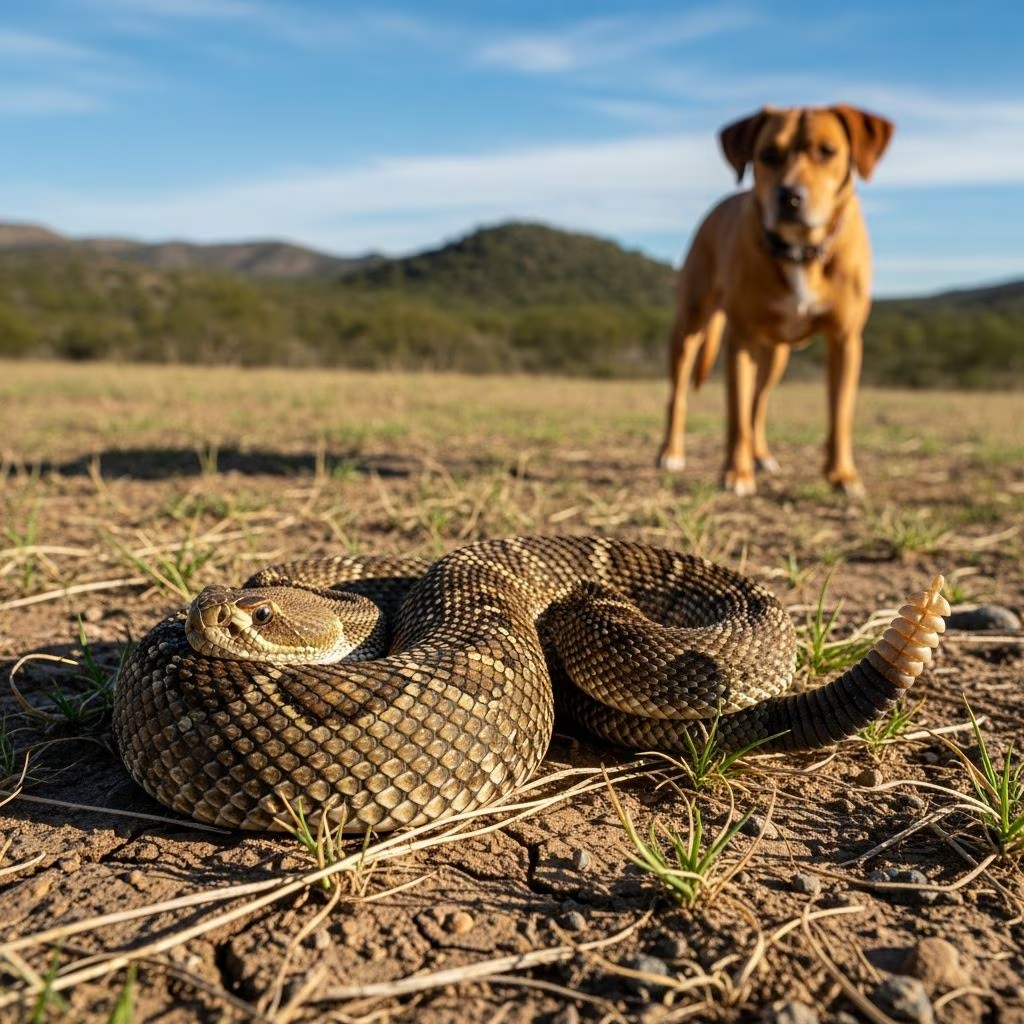
The rattlesnake vaccine, known scientifically as Crotalus Atrox Toxoid, aims to bolster a dog’s defenses against the venom of Western Diamondback rattlesnakes, a common threat in many U.S. regions. Developed to stimulate antibody production, it promises reduced symptom severity in bite cases, but ongoing debates surround its true effectiveness based on available research.
Understanding the Threat of Rattlesnake Bites to Canines
Rattlesnakes pose a significant danger to dogs, particularly those that roam outdoors in rural or wilderness areas. Each year, thousands of dogs suffer envenomations, leading to intense pain, tissue damage, and potentially fatal outcomes without prompt intervention. Bites often occur on the face, legs, or torso during exploratory hikes or hunting excursions, injecting potent hemotoxic venom that destroys blood vessels and causes swelling.
Symptoms manifest rapidly: puncture wounds, progressive edema, lethargy, vomiting, and shock. Small breeds face heightened risks due to lower body mass, while larger dogs may require more antivenin vials for treatment. Veterinary costs for bite management frequently exceed $2,000-$5,000, factoring in hospitalization, antivenin, and supportive care.
How the Rattlesnake Vaccine Functions in Dogs
This toxoid vaccine contains inactivated venom from the Western Diamondback rattlesnake (Crotalus atrox), prompting the canine immune system to generate neutralizing antibodies without causing envenomation. Unlike antivenin—a direct antidote derived from animal sera—the vaccine serves as a preventive measure, theoretically blunting venom effects upon a real bite.
Antibody levels peak 4-6 weeks post-vaccination, offering a buffer that may delay symptom onset, lessen swelling and pain, and reduce antivenin needs. Proponents note potential cross-protection against other pit viper species, though efficacy varies by venom composition.
Vaccination Protocol and Timing Essentials
Standard administration involves two initial doses, spaced 30 days apart, followed by annual boosters. Protection emerges around 30-45 days after the second shot, persisting 6-12 months depending on exposure risk and dog size. Dogs under 25 pounds or over 100 pounds often benefit from an extra booster due to variable immune responses.
- Initial Series: Dose 1 at first vet visit; Dose 2 four weeks later.
- Boosters: Annually, or biannually for high-exposure dogs (e.g., those in snake habitats year-round).
- Best Candidates: Hunting, herding, or trail-running dogs in endemic areas like the Southwest U.S.
Veterinarians tailor schedules based on lifestyle; indoor pets in low-risk zones typically skip it.
Scientific Evidence on Vaccine Efficacy
Research yields mixed results. A 2020 multicenter study of 82 dogs with moderate-to-severe envenomations found no significant reduction in morbidity or mortality among the 17% vaccinated subset, attributing this to small sample sizes. All received antivenin (average 1.3 vials), with lower body weight and higher bite severity predicting worse outcomes.
Anecdotal reports and smaller trials suggest benefits like faster recovery and milder symptoms in vaccinated dogs. Mouse studies at exaggerated doses showed partial survival gains, but no large-scale canine trials confirm clinical protection. The American Animal Hospital Association notes a lack of peer-reviewed efficacy data, urging caution.
| Study/Source | Key Finding | Sample Size | Outcome |
|---|---|---|---|
| PMC Retrospective (2006-2012) | No significant protection in severe cases | 82 dogs | Neutral |
| Snakebite Foundation Review | No published efficacy; potential harm | 272 cases | Negative |
| Hunting Dog Vet Insights | Reduced severity anecdotally | Not specified | Positive |
Potential Benefits Highlighted by Advocates
Supporters emphasize practical upsides in field scenarios. Vaccinated dogs reportedly exhibit slower venom progression, buying crucial hours for transport to clinics. This can minimize tissue necrosis, hemorrhage, and long-term disabilities like lameness.
- Lessened pain and swelling at bite sites.
- Potentially fewer antivenin vials needed, cutting costs and side effect risks (e.g., serum sickness).
- Higher survival odds in remote areas.
For breeds like Labrador Retrievers or Pointers in pheasant fields or desert trails, it acts as a prudent layer of defense.
Risks, Side Effects, and Major Concerns
While deemed safe by the USDA (conditionally licensed), adverse reactions occur rarely: injection-site swelling, lethargy, or anaphylaxis. A key worry is sensitization—repeated toxoid exposure might prime dogs for severe allergic responses to natural venom, complicating treatment.
Critics cite absent proof of protection and highlight that bites remain emergencies regardless. The vaccine targets one species primarily, offering unreliable guard against diverse rattlesnakes (e.g., Mojave, Timber). Over-reliance could delay care, worsening prognoses.
Cost Analysis: Is It Worth the Investment?
Each dose costs $20-$40, totaling $60-$100 for the initial series plus $30-$50 yearly. Compare to antivenin ($600-$1,000 per vial) and multi-day hospitalization. In low-bite-risk homes, expenses outweigh unproven gains; high-risk owners view it as insurance.
| Expense Type | Low-Risk Owner (Annual) | High-Risk Owner (First Year) |
|---|---|---|
| Vaccine Series | $0 (skipped) | $100 |
| Antivenin (if bitten) | $3,000 (rare) | $1,500 (potentially reduced) |
| Total Potential Savings | N/A | $1,500+ |
Expert Veterinary Perspectives and Guidelines
Vets in snake-heavy states like Arizona and Texas often recommend it for outdoor dogs, citing field observations. Others, per AAHA, deem it non-essential absent robust data. The 2023 Snakebite Foundation analysis discourages use, pointing to a 272-case study showing no benefits and sensitization risks.
Consensus: Prioritize avoidance training (rattlesnake aversion classes), leash laws, and prompt veterinary access over vaccination alone.
Alternatives and Complementary Prevention Strategies
Beyond vaccines, integrate multifaceted safeguards:
- Aversion Training: Uses controlled buzzer exposures to condition fear responses; 80-90% success rates.
- Environmental Controls: Clear brush, use snake fencing, hike in off-season.
- Antivenin Stockpiling: Clinics in endemic areas maintain supplies.
- Symptom Monitoring: Immediate vet trips for any puncture wounds.
These outperform vaccines in reliability, per experts.
Frequently Asked Questions (FAQs)
Does the rattlesnake vaccine prevent all bites?
No, it only mitigates venom effects; behavioral prevention is key.
How soon after vaccination is my dog protected?
Typically 4-6 weeks post-second dose, with boosters for small/large breeds.
Is it effective against all rattlesnake species?
Primarily Western Diamondback; cross-protection is inconsistent.
What if my vaccinated dog gets bitten?
Treat as an emergency—antivenin may still be required.
Should I vaccinate my indoor city dog?
Generally no, unless frequent wilderness exposure.
Deciding If the Vaccine Fits Your Dog’s Lifestyle
Weigh regional prevalence, activity level, and tolerance for uncertainty. Consult your vet for personalized advice, reviewing local bite statistics and your dog’s health profile. While promising, the vaccine complements—not replaces—proactive safety measures.
References
- Effects of the canine rattlesnake vaccine in moderate to severe crotalid envenomation — Journal of Veterinary Emergency and Critical Care (PMC). 2020-07-01. https://pmc.ncbi.nlm.nih.gov/articles/PMC7337165/
- Veterinary Experts Do Not Recommend the Rattlesnake Vaccine — Snakebite Foundation. 2023-06-13. https://www.snakebitefoundation.org/blog/2023/6/13/veterinary-experts-do-not-recommend-the-rattlesnake-vaccine
- Report suggests rattlesnake vaccines are in short supply. Are they essential? — American Animal Hospital Association (AAHA). 2023 (approx.). https://www.aaha.org/trends-magazine/publications/report-suggests-rattlesnake-vaccines-are-in-short-supply-are-they-essential/
- Rattlesnake Vaccine — Magley Animal Hospital (veterinary clinic). Accessed 2026. https://magleyanimalhospital.com/rattlesnake-vaccine/
- Ask A Vet Ep. 12: Should I Give My Dog the Rattlesnake Vaccine? — Pheasants Forever. Recent (post-2020). https://www.pheasantsforever.org/BlogLanding/Blogs/Pheasants-Forever/Ask-A-Vet-Ep-12-Should-I-Give-My-Dog-the-Rattlesnake-Vaccine.aspx



