

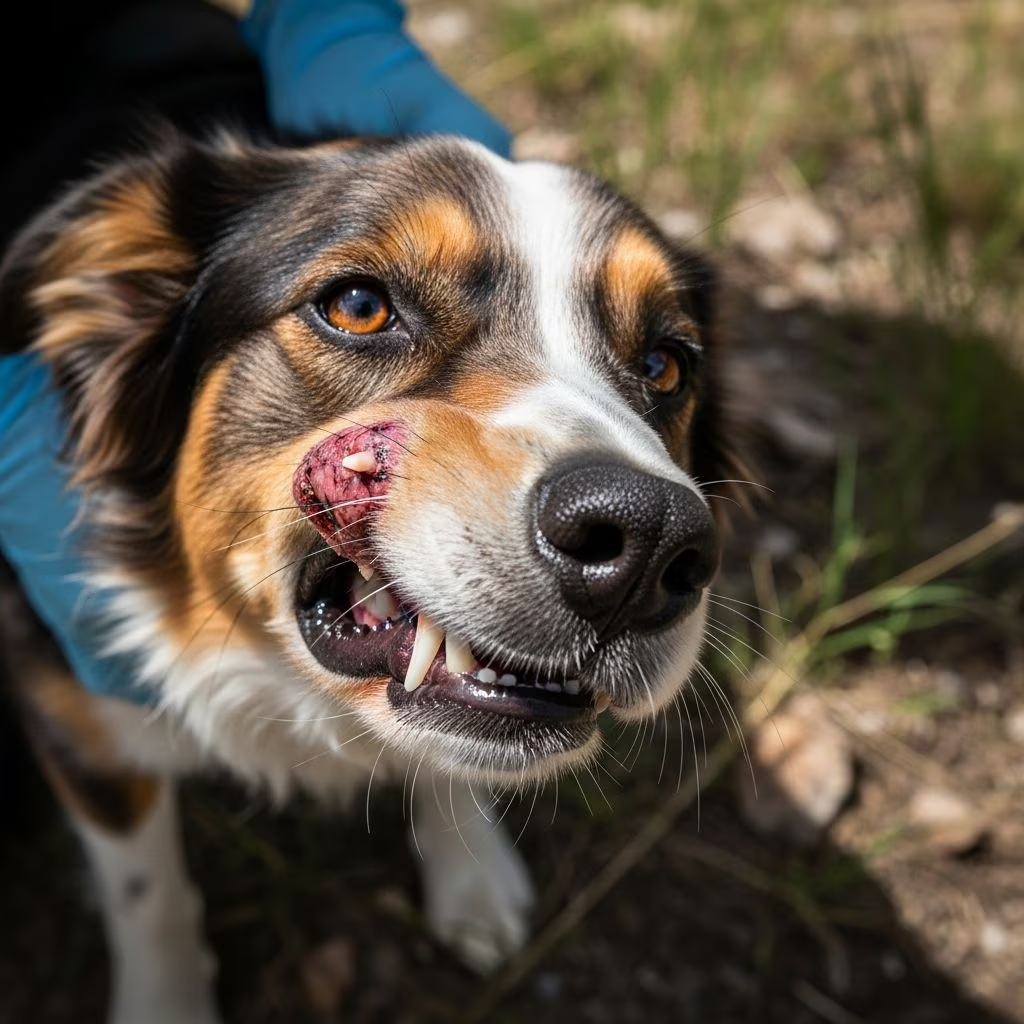
Rattlesnake bites pose a serious threat to pets, especially dogs exploring outdoors in snake-prone areas. These venomous encounters can lead to rapid tissue damage, blood disorders, and life-threatening complications if not addressed promptly. Understanding the risks, symptoms, and proper response is crucial for pet owners in regions like the southwestern United States.
Understanding the Danger of Rattlesnake Venom
Rattlesnake venom contains a complex mix of toxins that cause local tissue destruction, systemic disruptions, and hematologic abnormalities. In pets, the venom triggers intense swelling, bruising, and blistering at the bite site, alongside widespread effects like vomiting, weakness, and clotting issues. The venom’s components work synergistically: some break down proteins leading to edema and necrosis, while others interfere with blood coagulation, potentially causing internal bleeding or organ failure.
Dogs are particularly vulnerable due to their curious nature, often sniffing or pawing at snakes during hikes or yard play. Cats, though less commonly bitten, face similar risks if they hunt outdoors. Not every bite injects venom—a “dry bite” occurs in about 20-25% of cases—but assuming envenomation is safest until proven otherwise.
Spotting the Signs of a Bite
Recognition starts with observing your pet’s behavior post-exposure. Immediate puncture wounds—often two small marks 0.5 to 1 inch apart—may appear, though fur can hide them. Within minutes to hours, **swelling and pain** intensify around the site, typically on the face, legs, or neck.
- Local symptoms: Rapid edema progressing up the limb, ecchymosis (bruising), bullae (blisters), and tissue necrosis.
- Systemic symptoms: Lethargy, vomiting, diarrhea, drooling, rapid breathing, weakness, or collapse.
- Hematologic signs: Pale gums, bleeding from nose/mouth, dark urine indicating coagulopathy.
Progression varies: mild bites show limited swelling, while severe ones escalate within 30-60 minutes. Neurotoxic effects like paralysis are rarer but demand urgency. Monitor the bite area’s leading edge of swelling every 15-30 minutes if transport is delayed.
Critical First Aid Measures
Time is venom: act fast but avoid myths. Do not cut, suck, or apply ice/tourniquets—these worsen damage. Instead, prioritize safe evacuation to a vet.
- Move pet away from snake safely.
- Keep pet calm and still; carry if possible to minimize venom spread.
- Immobilize bitten area below heart level.
- Remove collars/jewelry before swelling.
- Transport immediately—call vet/poison control en route (e.g., ASPCA Animal Poison Control at 888-426-4435).
Clean minor wounds gently with soap/water if needed, but professional care supersedes. Avoid electric shocks or over-the-counter remedies.
Veterinary Diagnosis and Assessment
At the clinic, vets mark swelling progression, perform bloodwork (CBC, coagulation panel, fibrinogen, platelets, CK), and assess for compartment syndrome. Imaging or ultrasound may check tissue damage. Severity grading guides treatment: minimal (watch 8+ hours), moderate (local progression), severe (systemic/hematologic).
| Severity Level | Key Indicators | Typical Response |
|---|---|---|
| Mild | Limited swelling, no systemic signs | Observation, repeat labs |
| Moderate | Progressive edema, mild coagulopathy | Antivenom, monitoring |
| Severe | Hypotension, bleeding, neurotoxicity |
Tetanus prophylaxis and pain control (opioids) are standard. Notify regional poison control for guidance.
Antivenom: The Cornerstone of Treatment
Antivenom neutralizes unbound venom, halting progression. FDA-approved options for crotaline bites include CroFab (ovine Fab fragments) and ANAVIP (equine Fab). Indicated for progressive swelling, abnormal labs (e.g., low platelets/fibrinogen, high INR), or systemic signs.
Dosing is titrated: initial control with 4-6 vials IV, followed by maintenance every 6 hours until stable. CroFab clears faster (half-life ~12-18 hours) but risks recurrence (up to 67% in studies); ANAVIP’s longer half-life (5.5 days) reduces late coagulopathy (10% vs 30%). Monitor 8-24 hours post-control, with follow-ups days 2-3 and 5-7.
Hypersensitivity risks exist—pre-treat with antihistamines/steroids if history. Benefits outweigh risks in envenomated pets.
Managing Complications
Even with treatment, issues arise. Tissue necrosis affects ~40% of limb bites, sometimes needing debridement/amputation. Rhabdomyolysis elevates CK, risking kidney injury. Infections are rare (~3%). Delayed coagulopathy hits half of cases, requiring re-dosing.
Compartment syndrome, though uncommon, responds to extra antivenom over fasciotomy. Supportive care: fluids, pain meds, antibiotics if infected.
Recovery Timeline and Home Care
Mild cases recover in days; severe ones need hospitalization 3-7 days. Expect weeks of wound care: clean dressings, e-collars, restricted activity. Full healing takes 1-6 months; monitor for recurrence via labs.
- Week 1: Reduce swelling, stabilize bloodwork.
- Weeks 2-4: Wound healing, physio if needed.
- Months 1-3: Scar management, activity ramp-up.
Prognosis is excellent with prompt care—mortality under 1% in treated pets. Untreated, risks limb loss or death.
Prevention Strategies for Snake Country
Avoid bites proactively:
- Hiking: Leash pets, stick to trails, avoid dusk/dawn.
- Yard: Clear brush, rock piles; install snake fencing.
- Training: Teach “leave it” commands; consider snake aversion courses.
- Seasonal: Peak spring-fall; vaccinate? (Experimental snake toxoid available limitedly).
In high-risk areas, carry Benadryl for mild reactions, but never delay vet care.
Frequently Asked Questions
Can my dog survive a rattlesnake bite?
Yes, with rapid veterinary intervention using antivenom, survival exceeds 99%. Delay increases risks.
How long does swelling last?
Antivenom stops progression; resolution takes 3-14 days with care. Existing damage persists longer.
Is antivenom safe for all pets?
Generally yes, but allergies to sheep/equine proteins possible. Vets monitor closely.
What if I can’t afford antivenom?
Costs $1,000-$10,000+; pet insurance helps. Seek financial aid programs or payment plans.
Do cats get bitten often?
Less than dogs, but indoor-outdoor cats face risks. Symptoms mirror dogs.
Regional Risks and Statistics
In the U.S., ~7,000-8,000 venomous bites yearly, many pets. Southwest states (AZ, TX, CA) report highest incidences. Pet bites peak April-October. Awareness saves lives.
References
- Antivenom for Rattlesnake Envenomation — Poison Control, University of Utah. 2024-04. https://poisoncontrol.utah.edu/news/2024/04/antivenom-rattlesnake-envenomation
- Rattlesnake Toxicity — StatPearls, NCBI Bookshelf, NIH (.gov). 2023 (updated). https://www.ncbi.nlm.nih.gov/books/NBK431065/
- What to do if you’re bitten by a rattlesnake — UCI Health (.edu). 2017-07. https://www.ucihealth.org/blog/2017/07/snake-bites
- Rattlesnake Bite: Symptoms, Treatment, and Recovery Timeline — Healthline (citing medical sources). 2023. https://www.healthline.com/health/rattlesnake-bite
- Snakebites: First aid — Mayo Clinic (.org). 2023. https://www.mayoclinic.org/first-aid/first-aid-snake-bites/basics/art-20056681
- CroFab | Copperhead, Cottonmouth, and Rattlesnake Antivenom — CroFab Official Site. Current. https://crofab.com



