

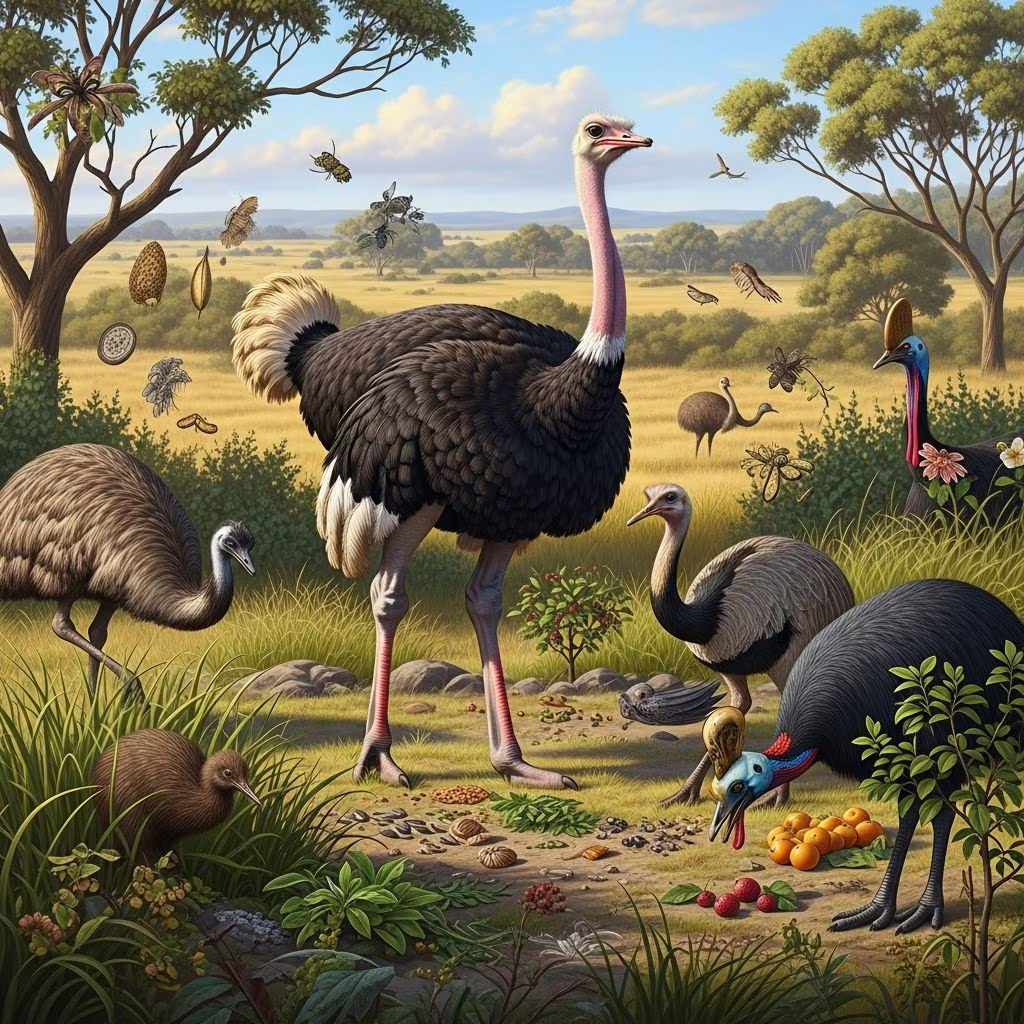
Ratites, a group of flightless birds encompassing ostriches, emus, rheas, and cassowaries, possess unique digestive systems adapted to process fibrous plant materials through fermentation in their foregut. Proper nutrition is fundamental to their growth, reproduction, and overall well-being in both commercial farming and captive environments. This guide details dietary requirements across life stages, emphasizing balanced intake of protein, energy, minerals, and roughage to prevent common issues like leg deformities or poor egg production.
Understanding Ratite Digestive Physiology
Ratites differ from flying birds by relying less on high-energy feeds and more on low-quality forages. Their proventriculus and gizzard break down tough vegetation, while microbial fermentation in the intestine extracts energy from fiber, supplying up to 76% of their needs. Ostriches, for instance, naturally consume grasses, leaves, and fruits with high water and fiber content (around 24% crude fiber and 12% protein). Emus and rheas share similar traits but may require adjustments for species-specific tolerances, such as emus preferring slightly less fiber than ostrich-oriented feeds.
In captivity, unrestricted access to pasture mimics wild diets, but supplemental feeds ensure nutrient gaps are filled, especially during growth phases when protein demands surge.
Nutritional Needs by Growth Phase
Ratite diets evolve with age, shifting from high-protein starters for rapid development to maintenance rations for adults. Key nutrients include crude protein (CP) for tissue building, calcium and phosphorus for skeletal health, and metabolizable energy (ME) from carbs and fats. Fiber supports gut function but must not exceed levels that reduce intake.
| Phase | Age (months) | Body Weight (kg) | Crude Protein (%) | Calcium (%) | Fiber (%) | ME (MJ/kg or kcal/kg) |
|---|---|---|---|---|---|---|
| Pre-starter | 0-2 | 0.8-10.5 | 20-25 | 1.2-1.5 | 12-19 | 14.5 MJ/kg |
| Starter | 2-4 | 11-28 | 19-21.5 | 1.2-1.5 | >4 | 10.5 MJ/kg (2500 kcal/kg) |
| Grower | 4-6 | 29-52 | 17-18 | 1.2-1.5 | >4 | 8.5 MJ/kg |
| Finisher/Developer | 6-10+ | 53-90 | 13.5-14 | 0.9-1.0 | 11-12 | 7.5 MJ/kg (2400 kcal/kg) |
| Breeder | Adult | 100+ | 24.5+ | 2.8+ | High | 10.8 MJ/kg |
This table synthesizes requirements from production studies; actual feeds should match these targets using commercial ratite formulations.
Chick and Juvenile Stages
Newly hatched ratites are fragile, with survival hinging on immediate access to water, light, and high-CP starters (18-25% CP). Ostrich chicks thrive on turkey or gamebird starters, gaining 4.5 kg in 76 days on 20% CP and 14 MJ/kg ME diets. Introduce grit for mechanical digestion and greens after 48 hours. Vitamins and electrolytes in water from week 2-3 combat stress. Emus benefit from B-complex supplements for the first 90 days to bolster development.
- Feed ad libitum twice daily post-week 3.
- Alfalfa pellets free-choice for fiber.
- Avoid overfeeding to prevent leg issues from calcium-phosphorus imbalance.
Growing and Finishing Birds
From 4-10 months, shift to 17-14% CP grower/finisher feeds with 11-12% fiber if pasture is limited. Yearlings (6-18 months) need 18-24% CP turkey-broiler mixes. Optimal growth occurs at 14% CP with 35% lucerne, yielding superior feed conversion. Phosphorus at 0.8-1.0% prevents tibiotarsal rotation in 2-26 week olds.
Breeding Adults
Mature females demand 24.5%+ CP layer rations plus 2.8% calcium for eggshells, supplemented by alfalfa pellets over hay for efficiency. Males maintain on grower diets. Provide grit and limit treats to avoid obesity.
Feed Ingredients and Formulation
Commercial ratite feeds from brands like Mazuri or Hubbard outperform poultry diets due to tailored vitamins, minerals, and lower energy. Base on grains, soybean/canola meals for protein, and lucerne for fiber. Ostriches excel with 2600 kcal/kg ME for feed efficiency, lower for weight control.
- Protein sources: Soybean (20% CP pre-starter success), canola alternatives.
- Roughage: Pasture, alfalfa cubes (less waste).
- Supplements: Dicalcium phosphate (3%), grit, vitamin top-dress.
Emus on pasture self-supplement with insects, reducing reliance on extras. Cassowaries, non-commercial, eat 3-5 kg/day of fruits (bananas, papaya) plus dog food for protein.
Feeding Management Practices
Success demands clean water, 1+ acre/pair land, and staged feeding. Twice-daily rations prevent waste; monitor intake (e.g., 190 g/kg CP pre-starter). Pasture rotation maximizes forage while preventing parasitism.
| Management Tip | Benefit |
|---|---|
| Continuous light first 2 days | Encourages feeding/weight gain |
| Grit provision | Aids fiber digestion |
| Calcium boost for layers | Supports egg production |
| Supervised treats (veggies/insects) | Enriches diet without excess |
Balance prevents deficiencies: low Ca/P causes bowed legs; excess fiber curbs growth.
Species-Specific Considerations
Ostriches
Commercial staples; high-fiber tolerance (19%+). Poultry starters yield 33 kg at 12 weeks with 19% CP.
Emus
Turkey-like digestion; ratite feeds with 5% less fiber ideal. Pasture + Mazuri for robust adults.
Rheas and Cassowaries
Rheas akin to ostriches; cassowaries frugivores needing browse and protein.
Common Nutritional Challenges and Solutions
Challenges include chick mortality (poor starter), leg deformities (mineral gaps), and breeder infertility (low amino acids). Solutions: lab-analyzed feeds, vet monitoring, phased transitions.
- Monitor body condition scores quarterly.
- Test water quality weekly.
- Adjust for season: more energy in cold.
FAQs
What is the best starter feed for ostrich chicks?
18-25% CP ratite or turkey starter with 1.2-1.5% Ca, fed ad libitum.
Can emus eat standard poultry feed?
Limited; lacks ratite-specific vitamins/minerals. Use dedicated ratite diets.
How much calcium do breeding ratites need?
2.8%+ for females; 1.0-1.5% maintenance.
Is pasture sufficient alone?
No; supplements ensure balanced nutrition year-round.
What role does grit play?
Essential for grinding fiber in the gizzard.
Conclusion
Mastering ratite nutrition through life-stage feeds, quality ingredients, and vigilant management unlocks peak productivity. Consult vets for farm-specific plans.
References
- FS886: Ostrich, Emu, and Rhea Production — Rutgers NJAES. 2023. https://njaes.rutgers.edu/FS886/
- Nutrition in Ostriches, Emus, and Other Ratites — Merck Veterinary Manual. 2023. https://www.merckvetmanual.com/management-and-nutrition/nutrition-exotic-and-zoo-animals/nutrition-in-ostriches-emus-and-other-ratites
- Nutrient requirements and feeding management for ostrich during different growth stages — PMC/NCBI. 2023. https://pmc.ncbi.nlm.nih.gov/articles/PMC12356471/
- Ratite | Hubbard Feeds — Hubbard Feeds. 2023. https://www.hubbardfeeds.com/species/lifestyle/specialty/ratite
- Nutritional Requirements of Emus in Every Life Stage — Gypsy Shoals Farm. 2023. https://gypsyshoalsfarm.com/blogs/raising-emus/nutritional-requirements-of-emus-every-life-stage
- Feed Requirements for Emu — American Emu Association. 2022-05-01. https://aea-emu.org/wp-content/uploads/2022/05/9.-Feed-Requirements-for-Emu.pdf
- Nutrition Guidelines for Ostriches and Emus — Iowa State University Extension. 2023. https://shop.iastate.edu/extension/farm-environment/animals-and-livestock/poultry/pm1696.html



