
Ratite Gut Health: Practical Care Guide For Farmers
Essential insights into managing digestive challenges in ostriches, emus, and rheas for optimal flock performance.
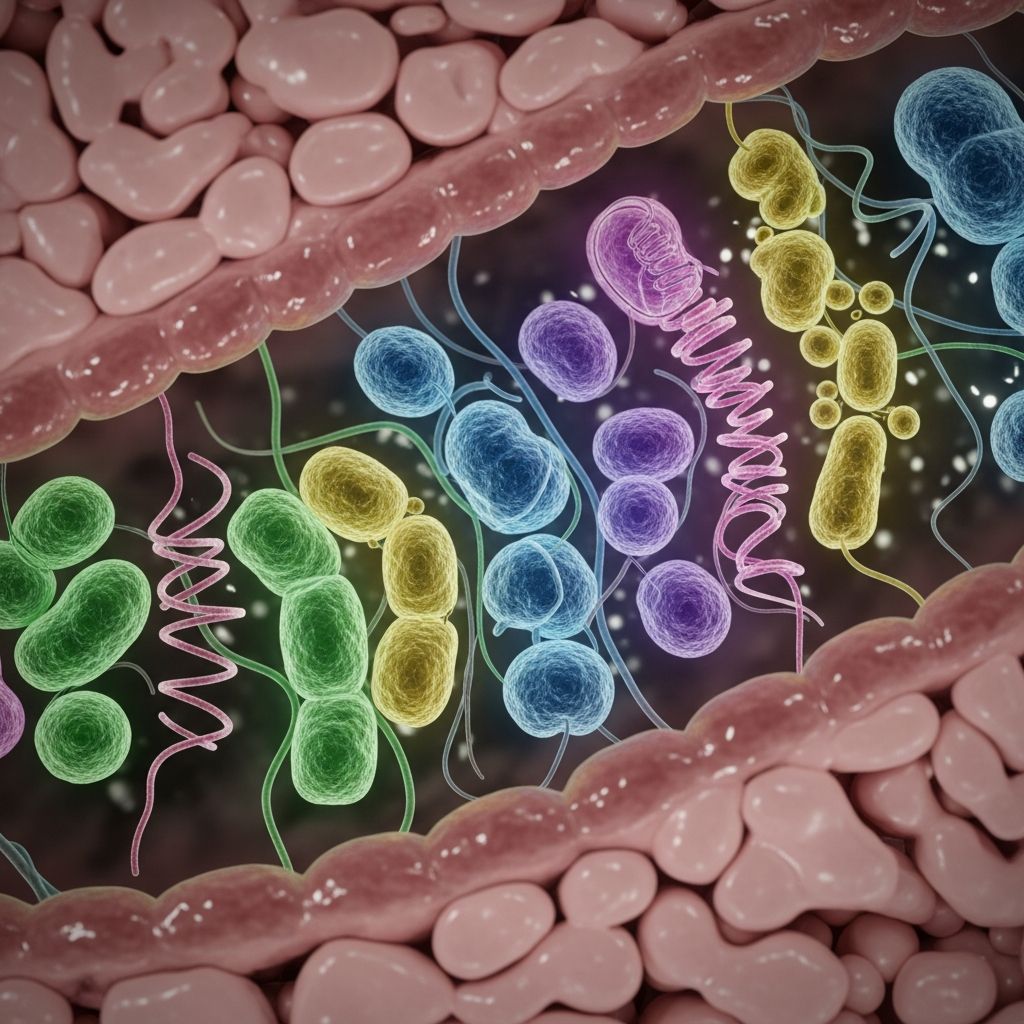
Ratites, including ostriches, emus, and rheas, possess specialized digestive systems adapted to their herbivorous diets and large body sizes. These flightless birds require targeted management to prevent gastrointestinal problems that can impact growth, reproduction, and overall farm profitability. This guide draws on anatomical differences and clinical observations to outline key disorders and solutions.
Unique Anatomy of Ratite Digestive Systems
Ratites exhibit remarkable variations in their gastrointestinal tracts, influencing digestion efficiency and disease susceptibility. Ostriches feature an expansive colon and elongated paired ceca, enabling prolonged fermentation of fibrous materials. In contrast, rheas have a compact colon paired with enlarged ceca, while emus display minimal development in both structures. These differences lead to distinct digesta retention times: ostriches hold small fiber particles for 30-36 hours, rheas for 7-19 hours, and emus for just 1.3-1.8 hours.
Such anatomical traits affect nutrient absorption and waste processing. Ostriches maintain higher gut fill (1.6-1.8% of body mass) and denser fecal dry matter, supporting efficient herbivory. Emus, with rapid transit, show higher intake rates but lower fiber breakdown. Understanding these baselines aids in diagnosing deviations from normal function.
| Ratite Species | Key Anatomical Feature | Mean Retention Time (2mm Fibers) | Gut Fill (% Body Mass) |
|---|---|---|---|
| Ostrich | Long colon, paired ceca | 30-36 hours | 1.6-1.8 |
| Rhea | Short colon, prominent ceca | 7-19 hours | 0.3-1.0 |
| Emu | Minimal ceca/colon | 1.3-1.8 hours | 0.2 |
This table summarizes comparative data, highlighting how anatomy dictates physiological performance.
Primary Causes of Digestive Distress in Ratites
Environmental, dietary, and infectious factors commonly precipitate gut issues. Poor feed quality, such as coarse or contaminated forage, overwhelms the ventriculus and intestines. Stress from overcrowding or temperature extremes disrupts motility, while parasites exploit weakened barriers.
- Dietary Imbalance: Excessive fiber without grit leads to poor grinding in the gizzard.
- Parasitic Overload: Nematodes and coccidia thrive in moist paddocks.
- Management Lapses: Inadequate water access causes dehydration-related blockages.
Early recognition through fecal monitoring and behavioral cues—reduced appetite, lethargy, or abnormal droppings—enables timely intervention.
Impaction and Obstruction Challenges
One of the most frequent issues involves ingesta accumulation in the proventriculus, ventriculus, or intestines. Ostriches, with slower transit, are particularly prone to crop or gizzard impactions from indigestible matter like plastics or woody stems. Symptoms include abdominal distension, cessation of defecation, and weight loss.
Treatment protocols emphasize hydration and lubrication. Oral administration of mineral oil or polyethylene glycol solutions softens masses, often combined with gentle massage. In severe cases, surgical exploration via ventriculotomy provides relief, followed by broad-spectrum antibiotics to prevent secondary infections. Prevention hinges on fencing to exclude debris and supplying appropriate grit sizes: 2-4mm for ostriches, finer for rheas.
Infectious Enteritis and Diarrhea Management
Bacterial pathogens like Clostridium perfringens and Salmonella spp. trigger acute diarrhea, especially in young ratites. Viral agents, including avian reoviruses, inflame the intestines, reducing absorptive capacity. Clinical signs feature watery feces, dehydration, and rapid emaciation.
Diagnostic confirmation via necropsy or fecal cultures guides therapy. Electrolyte solutions restore fluid balance, while targeted antimicrobials—such as tylosin for clostridial disease—curb proliferation. Probiotics introducing beneficial flora aid recovery by stabilizing gut microbiota. Vaccination programs for high-risk flocks mitigate outbreaks.
Parasitic Infestations Targeting the Gut
Helminths like Libyostrongylus douglassii in ostriches burrow into the proventriculus, causing hemorrhage and anemia. Coccidiosis from Eimeria species devastates cecal mucosa in emus and rheas, leading to bloody dysentery.
Fecal egg counts quantify burdens, prompting deworming with fenbendazole or ivermectin at species-specific doses. Pasture rotation disrupts life cycles, and copper oxide wire particles offer slow-release control in ostriches. Regular monitoring ensures burdens remain below 200 eggs per gram.
Liver and Pancreatic Contributions to Digestion
Ratite livers produce bile essential for fat emulsification, emptied via ducts into the duodenum. Pancreatic enzymes handle proteins and carbohydrates. Disorders like fatty liver syndrome, from overfeeding energy-dense rations, impair these functions, manifesting as icterus and poor condition.
Choleretics like ursodiol stimulate bile flow, paired with methionine supplementation to counter lipid accumulation. Ultrasonic imaging assesses liver echogenicity non-invasively.
Nutritional Strategies for Gut Wellness
Balanced rations mimicking natural diets—70% forage, 30% concentrates—optimize transit and fermentation. Ostriches benefit from lucerne-based pellets, rheas from browse variety. Grit supplementation enhances mechanical breakdown, with quantities scaled to age: 50g/day for juveniles.
- Protein: 16-18% for growers.
- Fiber: 20-25% crude to support cecal microbes.
- Calcium: 2.5% with 1:2 Ca:P ratio.
Water quality is paramount; contaminated sources foster pathogens. Provide 0.5-1 liter per kg body weight daily.
Preventive Healthcare Protocols
Integrated management minimizes risks. Biosecurity—footbaths, quarantine—blocks introductions. Routine deworming every 3 months, aligned with egg counts, sustains low parasite loads. Annual fecal flotations and necropsies of culled birds inform herd health.
Facility design promotes hygiene: slatted floors reduce contact with manure, aiding water resorption in the cloaca and rectum.
Diagnostic Approaches for Gut Issues
Clinical exams start with history and physicals, noting dehydration via skin tenting. Radiography reveals impactions as radiopaque masses; contrast studies track motility. Endoscopy visualizes mucosal integrity, biopsy samples identifying inflammation or neoplasia.
Bloodwork assesses electrolytes, liver enzymes (ALT, AST), and acute phase proteins signaling infection.
Species-Specific Considerations
Ostrich Vulnerabilities
Wireworm infestations demand vigilant control; impacted koilin in the ventriculus requires sloughing agents like dioctyl sodium sulfosuccinate.
Emu Fast Transit Risks
Rapid passage heightens diarrhea susceptibility; probiotic boluses post-weaning stabilize flora.
Rhea Cecal Focus
Enlarged ceca predispose to gas distension; simethicone relieves bloat.
FAQs
What causes green droppings in ratites?
Often excess bile from rapid transit or liver stress; adjust diet fiber.
How to prevent impactions?
Supply grit, remove hazards, ensure hydration.
Are probiotics effective?
Yes, they restore microbiota balance post-antibiotics.
Ideal fecal consistency?
Firm pellets for ostriches, softer for emus.
When to call a vet?
At 24-hour appetite loss or dehydration signs.
Emerging Research Directions
Studies on microbiome modulation promise tailored probiotics. Retention pattern research underscores evolutionary adaptations.
References
- Comparative digesta retention patterns in ratites — The Auk, BioOne. 2015-01-01. https://bioone.org/journals/The-Auk/volume-132/issue-1/AUK-14-144.1/Comparative-digesta-retention-patterns-in-ratites/10.1642/AUK-14-144.1.short
- Comparative digesta retention patterns in ratites — ZORA, University of Zurich. 2015. https://www.zora.uzh.ch/entities/publication/7c383157-07a6-4f4a-8a41-7882096bc8a4
- Evaluating and Treating the Gastrointestinal System — Harrison’s Bird Foods. 2024-02. https://www.harrisonsbirdfoods.com/wp-content/uploads/2024/02/14_gastrointestinal.pdf
- CHAPTER 1 – General Introduction — University of Pretoria Repository. N/A. https://repository.up.ac.za/bitstreams/ac9f319a-9fe8-4212-8821-2d08f3125ae7/download
- Comparative Clinical Anatomy of Ratites — JSTOR. N/A. https://www.jstor.org/stable/pdf/20095143.pdf
Similar Articles








Read full bio of medha deb


