Rat Poison Toxicity in Pets: Detection and Care
Discover vital insights on spotting rat poison dangers in pets, understanding toxin varieties, and securing timely veterinary interventions for optimal recovery.
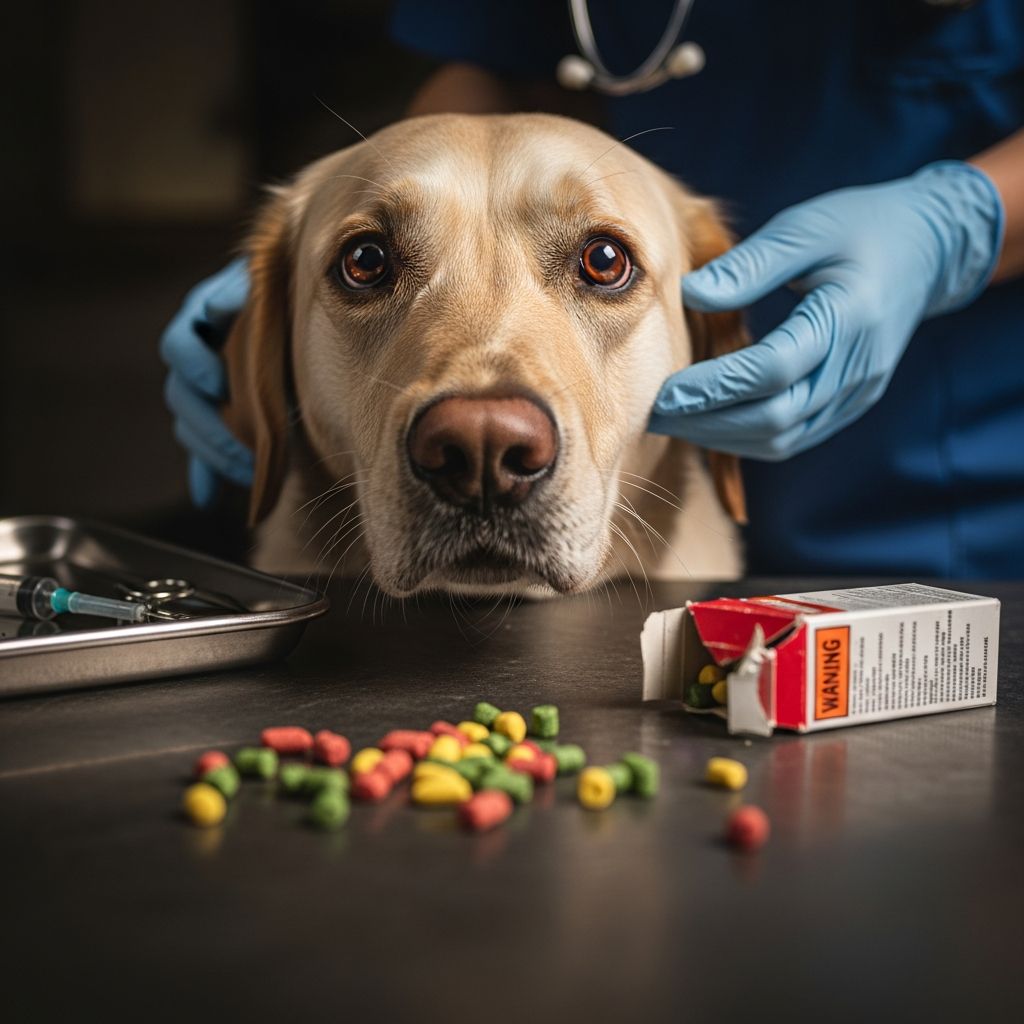
Rodenticide poisoning represents one of the most common household hazards for dogs and cats, often leading to severe health crises if not addressed promptly. These toxins, designed to eliminate rodents, can prove fatal to pets through ingestion of bait or poisoned prey. Quick recognition of exposure risks and symptoms enables effective intervention, dramatically improving survival rates across various toxin types.
Understanding Common Rodenticide Types and Their Mechanisms
Rodenticides vary widely in composition, each targeting different physiological systems in mammals. Anticoagulants, the most prevalent, disrupt blood clotting by inhibiting vitamin K recycling, leading to uncontrolled internal bleeding days after exposure.
Neurotoxic agents like bromethalin attack the central nervous system, causing brain swelling and neurological collapse without a specific antidote.
Cholecalciferol (vitamin D3) triggers hypercalcemia, damaging kidneys and other organs through excessive calcium buildup.
Phosphide compounds release toxic phosphine gas upon contact with stomach acid, corroding tissues and inducing rapid multi-organ failure.
| Toxin Type | Primary Effect | Onset Time | Key Risks |
|---|---|---|---|
| Anticoagulants (e.g., brodifacoum) | Blood clotting inhibition | 3-7 days | Internal hemorrhage, anemia |
| Bromethalin | Brain edema | Hours to days | Seizures, paralysis |
| Cholecalciferol | Hypercalcemia | 1-3 days | Kidney failure |
| Phosphides (zinc/aluminum) | Phosphine gas release | Minutes to hours | Organ corrosion, shock |
Recognizing Early Warning Signs in Dogs and Cats
Symptoms differ by toxin but share urgency. For anticoagulants, pets may initially appear normal, with delayed signs like pale gums, weakness, labored breathing, bloody stools, nosebleeds, or bruising emerging as clotting fails.
- Trouble breathing or rapid respiration from lung bleeding
- Collapse, lethargy, or unexplained fatigue
- Bloody urine, diarrhea, or vomiting
- Swollen joints or abdomen from internal accumulation
Bromethalin exposure manifests as ataxia, tremors, hind-limb weakness progressing to full paralysis or seizures, with a fishy odor sometimes noted in severe cases.
Phosphide poisoning strikes swiftly: vomiting (often bloody), abdominal pain, diarrhea, tremors, and respiratory distress, accompanied by a garlic-like smell from phosphine gas—ventilate areas immediately to protect handlers.
Cholecalciferol signs include polydipsia, polyuria, vomiting, and weakness, escalating to renal distress.
Immediate Steps for Suspected Exposure
If bait ingestion is witnessed or suspected, do not delay. Contact a veterinarian or pet poison hotline immediately, even without symptoms—early decontamination boosts prognosis significantly.
- Safeguard the area: Prevent further access to poisons.
- Avoid home remedies like induced vomiting unless vet-directed, as some toxins (e.g., phosphides) worsen with gastric stimulation.
- Transport safely: For phosphide cases, maximize ventilation to avoid human exposure.
- Bring bait packaging: Identifies active ingredient for targeted therapy.
Veterinarians assess via history, physical exam, and diagnostics like prothrombin time (PT) for anticoagulants or blood calcium for vitamin D types.
Diagnostic Approaches in Veterinary Practice
Confirmation relies on clotting tests (PT/PTT prolonged in anticoagulants), serum calcium elevation, or specific analysis for bromethalin metabolites (challenging antemortem).
Baseline bloodwork, coagulation panels, and imaging detect hemorrhage sites. For phosphides, clinical presentation and gas odor guide suspicion, prioritizing supportive care.
- Coagulation profile: Critical for first-generation vs. long-acting anticoagulants.
- Radiographs/ultrasound: Reveal free abdominal fluid or organ enlargement.
- Complete blood count: Monitors anemia progression.
Tailored Treatment Protocols by Toxin
Therapy hinges on toxin identity and timing. Anticoagulant cases respond best to vitamin K1 (3-5 mg/kg PO q12h for 4+ weeks, with fats for absorption), plasma transfusions for active bleeding, and hospitalization until PT normalizes.
Bromethalin demands aggressive decontamination (activated charcoal), mannitol/osmotic diuretics for cerebral edema, and anticonvulsants; survival drops sharply with symptoms.
No cholecalciferol antidote exists—IV fluids, furosemide, pamidronate lower calcium, alongside monitoring renal function.
Phosphides require antacids to neutralize gas, decontamination in ventilated spaces, and supportive care for seizures/shock; many survive if past 24 hours.
Hospitalization and Monitoring Essentials
Most cases need 1-2 days inpatient: IV fluids correct dehydration/hypotension, blood products replace losses, and serial labs track recovery.
Oxygen therapy aids dyspnea; antiemetics control nausea. Discharge includes continued vitamin K1 (anticoagulants) with follow-up PT checks at 2-4 weeks.
Prognosis Factors and Long-Term Outlook
Early intervention yields excellent outcomes, especially for anticoagulants (near 100% survival with prompt vitamin K1). Bromethalin/phosphide cases carry higher mortality if symptomatic, but decontamination pre-signs saves lives.
Monitor for recurrence: Second-generation anticoagulants linger, requiring extended therapy. Kidney damage from cholecalciferol may persist.
Prevention Strategies for Pet Owners
Proactive measures avert tragedy:
- Opt for pet-safe alternatives: Snap traps, sealed bait stations inaccessible to pets.
- Secure storage: Elevate poisons beyond reach.
- Educate household: Supervise children, yard workers.
- Landscaping: Reduce rodent attractants like food debris.
Post-exposure, restrict outdoor access until cleared.
Frequently Asked Questions (FAQs)
What if my pet ate rat poison but seems fine?
Act immediately—latent toxins like anticoagulants delay symptoms 3-7 days. Vet evaluation prevents escalation.
Can cats get rat poison poisoning like dogs?
Yes, signs mirror dogs: internal bleeding, weakness. Cats groom poisoned prey, heightening risk.
Is there a home test for rat poison exposure?
No; professional coagulation tests required. Bring bait sample to vet.
How long does treatment last?
Anticoagulants: 4-6 weeks vitamin K1; others vary by severity, often 1-2 days hospital plus follow-up.
What smells indicate phosphide poisoning?
Garlic or decaying fish odor from phosphine gas—highly toxic, ventilate!
References
- My Dog Ate Rat Poison, Now What? Rat Poisoning in Dogs — PetMD. 2023. https://www.petmd.com/dog/poisoning/rat-poisoning-dogs
- What to Do if Your Pet Eats Mouse Poison — Countryside Veterinary Clinic. 2024-02-29. https://countrysideportjeff.com/blog/2024/02/29/what-to-do-if-your-pet-eats-mouse-poison/
- Rodenticide Poisoning — Kansas State Veterinary Diagnostic Laboratory. 2022-09. https://www.ksvdl.org/resources/news/diagnostic_insights/september2022/rodenticide-poisoning.html
- Anticoagulant Rodenticide Poisoning in Cats — VCA Animal Hospitals. 2023. https://vcahospitals.com/know-your-pet/rodenticide-warfarin-poisoning-in-cats
- What You Should Know About Rat Poison and Your Pet — VEG. 2023. https://www.veg.com/post/what-you-should-know-about-rat-poison-and-your-pet
- Rodenticide Poisoning: What to Do After Exposure — Today’s Veterinary Practice. 2023. https://todaysveterinarypractice.com/emergency-medicine-critical-care/rodenticide-poisoning-what-to-do-after-exposure/
Similar Articles








Read full bio of Sneha Tete