

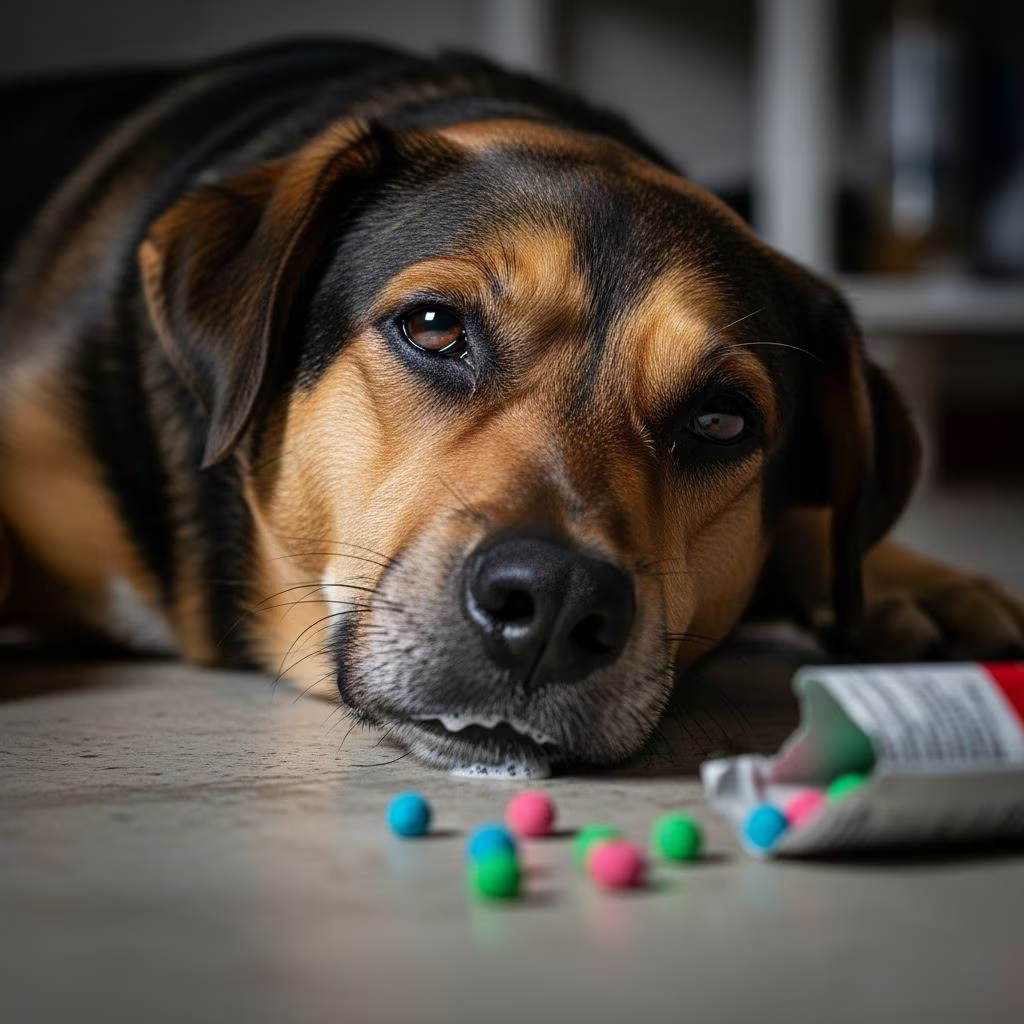
Rat poisons, or rodenticides, represent one of the most common household toxins encountered by dogs. These substances are designed to kill rodents efficiently but can devastate a dog’s health if ingested, leading to internal bleeding, brain damage, organ failure, or sudden death. Prompt recognition and intervention are crucial for survival.
Common Types of Rat Poisons and Their Mechanisms
Rodenticides vary in composition, each targeting different bodily systems with unique onset times and effects. Understanding these distinctions helps in swift identification and response.
- Anticoagulant Rodenticides: The most prevalent type, these interfere with vitamin K recycling, depleting clotting factors and causing uncontrollable bleeding. First-generation versions like warfarin act slower, while second-generation ones like brodifacoum are more potent and longer-lasting.
- Bromethalin: A neurotoxin that disrupts brain cell function by causing fluid buildup (cerebral edema), leading to neurological collapse. No specific antidote exists.
- Cholecalciferol (Vitamin D3): Triggers hypercalcemia, where excessive calcium damages kidneys, heart, and other organs. Symptoms escalate rapidly without reversal agents.
- Phosphides (Zinc or Aluminum): React with stomach acid to release toxic phosphine gas, corroding tissues and causing multi-organ failure within hours.
Each type demands tailored veterinary strategies, emphasizing the need for precise poison identification via packaging or bait remnants.
Recognizing Symptoms: What to Watch For
Symptoms depend on the poison type and ingestion amount, often delayed for days, masking the initial exposure. Early vigilance is key, as some signs mimic less severe issues.
| Poisen Type | Onset Time | Key Symptoms |
|---|---|---|
| Anticoagulants | 3-7 days | Lethargy, pale gums, blood in vomit/stool, nosebleeds, bruising, breathing issues, collapse |
| Bromethalin | Hours to days | Uncoordinated movement, tremors, seizures, paralysis, depression |
| Cholecalciferol | 12-36 hours | Vomiting, excessive thirst/urination, weakness, dehydration, seizures, irregular heartbeat |
| Phosphides | Minutes to hours | Severe vomiting, abdominal pain, diarrhea, collapse, organ damage signs |
Monitor for subtle changes like reduced appetite or unusual fatigue. If suspected, check gums for pallor—a hallmark of blood loss—and note any bloody discharges.
Immediate Actions: First Response Steps
Do not delay—rat poison ingestion is a veterinary emergency. Avoid home remedies like inducing vomiting, as they can worsen certain toxicities (e.g., phosphides).
- Contact Professionals: Call your vet, an animal poison hotline (e.g., Pet Poison Helpline at 1-855-764-7661), or emergency clinic immediately. Provide details: poison type, amount, time ingested.
- Decontamination at Vet: Within 1-2 hours, vets may induce vomiting or use gastric lavage. Activated charcoal binds toxins in the gut, often repeated over days.
- Prevent Further Exposure: Secure the dog in a crate to limit activity, especially for anticoagulants, reducing bleeding risk.
Collect bait packaging for toxin analysis—critical for treatment planning.
Veterinary Treatments by Poison Type
Treatment hinges on poison identification and severity. Hospitalization is common, with supportive care like IV fluids standard across cases.
- Anticoagulants: Vitamin K1 therapy orally or injected for 4-6 weeks (longer for second-generation). Severe cases require plasma/blood transfusions, oxygen, and monitoring clotting times (PT/PTT tests).
- Bromethalin: Aggressive decontamination, IV fluids, mannitol/furosemide for brain swelling. Prognosis poor if symptoms appear; euthanasia considered in advanced cases.
- Cholecalciferol: IV fluids, diuretics, phosphates, calcitonin, or bisphosphonates to lower calcium. Intensive monitoring for kidney failure.
- Phosphides: Antacids neutralize gas, antiemetics control vomiting, liver protectants. No vomiting induction; observe 18+ hours.
Whole blood or plasma transfusions sustain life in hemorrhagic crises. Recovery timelines vary: anticoagulants often full with adherence, while neurotoxins carry higher mortality.
Prognosis and Long-Term Recovery
Survival rates exceed 80-90% for early-treated anticoagulants but drop below 50% for bromethalin or delayed cases. Post-treatment, restrict exercise for weeks, monitor for re-bleeding via blood tests, and follow-up weekly. Nutritional support aids healing; avoid aspirin or NSAIDs, which exacerbate bleeding.
Full recovery possible with compliance, but permanent organ damage lingers in cholecalciferol or phosphide survivors. Regular vet check-ups ensure toxin clearance.
Prevention Strategies for Dog Owners
Proactive measures eliminate risks in multi-pet or pest-prone homes.
- Use dog-safe alternatives: snap traps, electronic zappers, or professional pest control.
- Secure baits in tamper-proof stations inaccessible to dogs.
- Train with commands like “leave it”; supervise outdoors.
- Store rodenticides locked away; opt for pet-friendly rodenticides if unavoidable.
- Yard audits: remove attractants like food waste drawing rodents.
Educate family on risks; post poison hotline numbers visibly.
Frequently Asked Questions (FAQs)
What if my dog ate rat poison but seems fine?
Treat as emergency—symptoms delay. Contact vet immediately for assessment and preemptive care.
How long do symptoms take to appear?
Anticoagulants: 3-5 days; bromethalin: hours-days; others faster. Act on suspicion alone.
Can I treat rat poisoning at home?
No—risks complications. Professional decontamination and antidotes essential.
Is rat poison toxicity fatal?
Potentially, but early intervention saves most anticoagulant cases; others graver.
How to identify the poison type?
Check bait label/packaging; describe to vet/poison control for guidance.
Key Takeaways for Pet Safety
Rat poison threatens dogs via bleeding, neurological assault, or metabolic chaos. Swift vet action, informed by poison specifics, yields best outcomes. Prioritize prevention through safe pest management to safeguard your canine companion’s health.
References
- Rat poisoning in dogs – PDSA — PDSA. 2023. https://www.pdsa.org.uk/pet-help-and-advice/pet-health-hub/conditions/rat-poisoning-in-dogs
- My Dog Ate Rat Poison, Now What? Rat Poisoning in Dogs | PetMD — PetMD. 2024. https://www.petmd.com/dog/poisoning/rat-poisoning-dogs
- Anticoagulant Rodenticide Poisoning in Dogs – VCA Animal Hospitals — VCA Animal Hospitals. 2023. https://vcahospitals.com/know-your-pet/rodenticide-warfarin-poisoning-in-dogs
- Rat poison intoxication in dogs | Health A-Z – Joii Pet Care — Joii Pet Care. 2024. https://www.joiipetcare.com/blogs/poisons/rat-poison-intoxication-in-dogs
- Dog Ate Rat Poison? Here’s What To Do – Chewy — Chewy. 2023. https://www.chewy.com/education/dog/health-and-wellness/dog-ate-rat-poison



