Rat Poison Dangers For Pets: 4 Rodenticide Types To Identify
Learn how rodenticides threaten your dog's or cat's life and the urgent steps to take for survival.
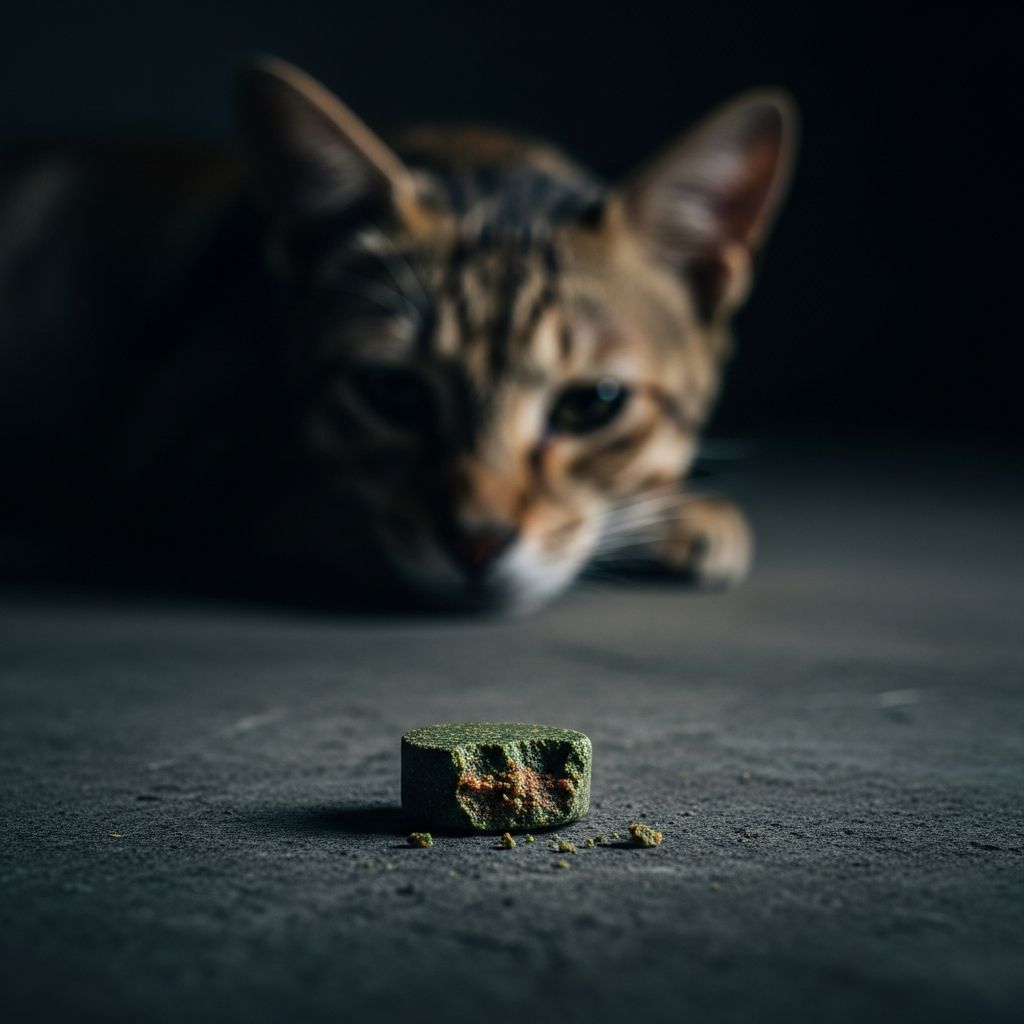
Rat Poison Dangers for Pets
Rodenticides, commonly known as rat or mouse poisons, represent one of the leading causes of poisoning in household pets, particularly dogs and cats. These substances are designed to kill rodents efficiently, but they can prove equally lethal to curious pets that ingest bait, poisoned rodents, or contaminated materials. Understanding the different types of rodenticides, their mechanisms of action, clinical manifestations, and prompt treatment protocols is essential for pet owners and veterinarians alike.
Understanding the Main Types of Rodenticides
Rodenticides come in various formulations, each targeting different physiological processes in rodents—and unfortunately, in pets too. The four primary categories include anticoagulants, bromethalin, cholecalciferol (vitamin D3 analogs), and phosphides. Each type produces distinct toxic effects, influencing the speed of onset and required interventions.
- Anticoagulant rodenticides: These are the most prevalent, working by inhibiting vitamin K recycling, which is crucial for blood clotting. First-generation types like warfarin require multiple exposures, while second-generation ones like brodifacoum are far more potent after a single dose.
- Bromethalin: A neurotoxin that disrupts brain cell function by causing swelling, leading to irreversible neurological damage.
- Cholecalciferol: Elevates blood calcium levels, resulting in mineralization of soft tissues and organ failure.
- Phosphides: React with stomach acid to release toxic phosphine gas, causing rapid systemic collapse.
Symptoms of Anticoagulant Rodenticide Exposure
Anticoagulant poisoning often goes unnoticed initially because symptoms emerge 3-7 days post-ingestion, after clotting factors deplete. Pets may appear normal for 1-2 days as the body uses up existing reserves. Common indicators include weakness, pale mucous membranes, labored breathing, and bloody discharges from the nose, mouth, urine, or feces. Internal hemorrhaging into the chest, abdomen, or joints can cause coughing blood (hemoptysis), dark tarry stools (melena), abdominal swelling, or bruising.
In advanced stages, pets exhibit depression, rapid respiration, joint pain, and collapse. Neurologic signs like ataxia arise if bleeding affects the brain or spinal cord. Early detection hinges on owner vigilance, as many cases involve ingestion of poisoned prey rather than direct bait consumption.
Emergency Response for Anticoagulant Toxicity
Time is critical: seek veterinary care immediately upon suspected exposure, even without symptoms. Decontamination within hours involves emesis induction (if recent) and activated charcoal to bind toxins, though charcoal must be vet-administered to avoid complications like aspiration. The cornerstone therapy is oral or injectable vitamin K1, continued for weeks—up to 6 for potent second-generation agents—monitored via prothrombin time (PT) tests.
Severe cases demand hospitalization with IV fluids, plasma or whole blood transfusions, and oxygen support. Bleeding into body cavities may require drainage. Prognosis excels with early intervention, as this poisoning offers a true antidote and delayed onset window.
Bromethalin: The Silent Brain Attacker
Bromethalin targets the central nervous system by inhibiting sodium/potassium ATPase, leading to cerebral edema. High doses trigger acute signs within hours: hyperexcitability, tremors, seizures, and coma. Lower doses delay onset to 1-4 days, starting with hindlimb weakness mimicking paralysis, progressing to ataxia, depression, and vomiting.
No antidote exists, making prevention paramount. Treatment emphasizes decontamination—emesis, multiple activated charcoal doses—and supportive measures like mannitol or steroids for swelling, anticonvulsants, and fluids. Survivors risk permanent neurologic deficits; prognosis worsens post-symptom onset.
Cholecalciferol Poisoning Effects and Management
This vitamin D analog hypercalcemia induces within 12-36 hours, manifesting as polydipsia, polyuria, vomiting, anorexia, and lethargy. Progression includes bloody diarrhea, renal failure, arrhythmias, and death. Diagnosis confirms via elevated serum calcium, phosphorus, and azotemia.
Treatment requires aggressive decontamination, calcium-lowering agents like pamidronate or furosemide, and diuresis to promote excretion. IV fluids prevent dehydration and support kidneys. Intensive monitoring is vital, with good outcomes if addressed before organ damage solidifies.
Phosphide Rodenticides: Rapid and Deadly
Zinc or aluminum phosphides liberate phosphine gas upon hydrolysis, irritating the GI tract and causing cardiovascular shock. Signs erupt minutes to hours: garlicky vomitus, abdominal pain, dyspnea, tremors, seizures, and collapse. The gas poses inhalation risks to handlers, necessitating outdoor or ventilated care.
Do not induce vomiting due to gas toxicity exacerbation. Therapy includes antacids (sodium bicarbonate), activated charcoal, antiemetics, and supportive ventilation/fluids. Survival past 24 hours improves odds, though rapid progression claims many untreated cases.
Risk Factors and Prevention Strategies
| Risk Factor | Prevention Tip |
|---|---|
| Hunting/scavenging breeds (terriers, hounds) | Supervise outdoor time; use snap traps over baits |
| Multi-pet homes with rodents | Secure baits in tamper-proof stations |
| Winter pest surges | Opt for non-toxic alternatives like ultrasonic repellents |
| Puppies/kittens | Store rodenticides locked away |
Dogs face higher exposure via direct bait or prey ingestion; cats often secondary via rodents. Breeds with high prey drive amplify risks. Prevent by choosing enclosed bait stations, pet-safe pest control, and prompt dead rodent disposal.
Diagnosis and Veterinary Protocols
Veterinarians rely on history, clinical signs, and tests: coagulation panels (PT/PTT) for anticoagulants, serum chemistries for cholecalciferol, and toxin screens where available. Radiographs detect bait or secondary ingestion; blood gas analysis aids phosphide cases. Post-mortem, liver brodifacoum levels or brain desmethylbromethalin confirm.
Always disclose potential exposure—false negatives occur if tests predate peak effects. Hospitalization protocols vary by toxin but prioritize stabilization, monitoring, and serial labs.
FAQs on Rodenticide Toxicity
What should I do if I suspect my pet ate rat poison?
Call your vet or poison hotline (e.g., ASPCA at 888-426-4435) immediately. Do not wait for symptoms or induce vomiting at home.
How long do symptoms take to appear?
Anticoagulants: 3-7 days; bromethalin: hours-days; cholecalciferol: 12-36 hours; phosphides: minutes-hours.
Can my pet recover fully?
Yes, especially anticoagulants with early vitamin K1. Others depend on dose, timing, and toxin type—neurologic sequelae possible.
Is rat poison safe around pets if in a box?
No—pets can access, chew, or eat poisoned rodents. Use pet-proof methods.
What are safer rodent control options?
Snap traps, glue boards (supervised), professional extermination, sanitation to deter pests.
Long-Term Prognosis and Home Care
Post-treatment, anticoagulated pets need 4-6 weeks vitamin K1, followed by PT recheck before discontinuation. Monitor for re-exposure. Bromethalin survivors may require rehab for ataxia. Regular vet checkups catch subclinical issues. Educate households on risks—many poisonings stem from unaware neighbors or garages.
Pet insurance often covers toxinings, offsetting costs of diagnostics, hospitalization, and meds. Awareness saves lives: rodenticides kill thousands annually, but intervention reverses many fates.
References
- Rodenticide Toxicity: What Pet Parents Should Know — Peak Pet Urgent Care. 2023. https://peakpeturgentcare.com/rodenticide-toxicity-what-pet-parents-should-know/
- When Pests Poison Pets: Rodenticide Toxicity in Pets — Adamson Veterinary Services. 2023. https://adamsonveterinaryservices.com/when-pests-poison-pets-rodenticide-toxicity-in-pets/
- Rodenticide Poisoning — Kansas State Veterinary Diagnostic Laboratory. 2022-09. https://www.ksvdl.org/resources/news/diagnostic_insights/september2022/rodenticide-poisoning.html
- What to Do if Your Pet Eats Mouse Poison — TSAH Vet. 2024-02-29. https://tsahvet.com/blog/2024/02/29/what-to-do-if-your-pet-eats-mouse-poison/
- Anticoagulant Rodenticide Poisoning in Dogs — VCA Animal Hospitals. 2023. https://vcahospitals.com/know-your-pet/rodenticide-warfarin-poisoning-in-dogs
- Rodenticide Poisoning: What to Do After Exposure — Today’s Veterinary Practice. 2023. https://todaysveterinarypractice.com/emergency-medicine-critical-care/rodenticide-poisoning-what-to-do-after-exposure/
- Rodenticide and Your Pet: What You Need to Know — ASPCA. 2023. https://www.aspca.org/news/rodenticide-and-your-pet-what-you-need-know
Similar Articles







Read full bio of medha deb